

Employee Data Protection and HR Privacy: Key Compliance Strategies
By Josh Henderson, Denali HR
Protecting employee data is a strategic priority for organisations facing increasing privacy and security risks. This article outlines structured strategies to safeguard employee information and maintain HR privacy compliance. It covers the principal regulations that govern employee data, practical security measures, and the role outsourced HR can play in strengthening compliance. The piece also addresses effective privacy communication and monitoring tools. Applying these measures helps organisations secure data, maintain regulatory alignment, and preserve employee trust.
What Are the Key Regulations Governing Employee Data Privacy?
Employee data privacy is subject to several principal regulations that define how organisations must collect, process and protect personal information. Familiarity with these laws is fundamental to effective risk management and compliance. The General Data Protection Regulation (GDPR), Health Insurance Portability and Accountability Act (HIPAA), and California Consumer Privacy Act (CCPA) represent major regulatory frameworks that affect HR data protection. Each imposes distinct requirements that organisations must meet to manage employee data appropriately.
How Do GDPR, HIPAA, and CCPA Impact HR Data Protection?
GDPR sets strict standards for data processing and, in many cases, requires organisations to obtain explicit consent from employees before collecting personal data. The regulation emphasises transparency and accountability in data handling. HIPAA focuses on protecting sensitive health information and requires safeguards to maintain confidentiality. CCPA gives California residents rights to know what personal data is collected and to request deletion. Compliance with these frameworks reduces legal and reputational risk.
What Compliance Requirements Must HR Services Meet?

HR services must satisfy multiple compliance obligations to protect employee data. Regulations such as the Fair Labor Standards Act (FLSA), Internal Revenue Service (IRS) guidance, and Department of Labor (DOL) rules establish required practices. Best practice measures include scheduled audits, targeted employee training, and formalised data handling policies. Consistent adherence to these practices reduces breach risk and helps ensure legal compliance.
Which Best Practices Ensure Employee Data Security in HR Operations?
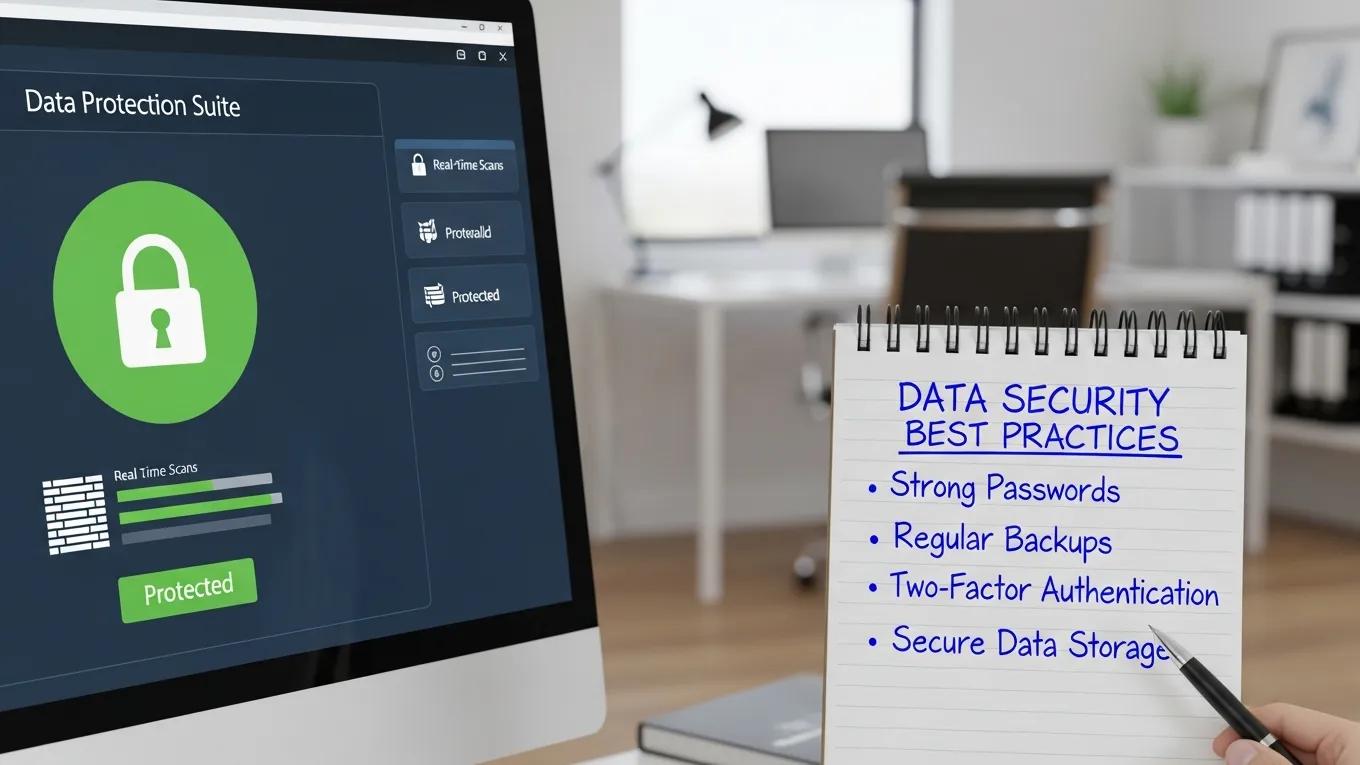
Adopting established security practices is essential to protect employee information within HR. Organisations should standardise payroll workflows, formalise HR policies and maintain continuous compliance monitoring to protect sensitive data. These measures strengthen security controls and reinforce employee confidence in how their information is managed.
Greater reliance on digital platforms and cloud computing in HR introduces significant cybersecurity challenges that organisations must address proactively.
Protecting Employee PII: Cybersecurity Threats in HRTech
The expanded use of digital platforms, cloud computing and data-driven decision-making in human resource management introduces substantial cybersecurity threats. Worker information is often private and sensitive—personally identifiable information (PII), financial records, health data, background checks and performance histories—which makes HR systems attractive targets for cyber attackers.
Cyber security challenges in human resource technology: protecting employee data in the digital age, 2025
How Can HR Implement Effective Data Privacy Policies?
HR should implement privacy policies by standardising procedures and delivering regular training and awareness programmes. Policies require scheduled reviews to remain effective against evolving threats. Promoting a culture that values data privacy helps reduce the likelihood and impact of breaches.
What Are Essential Workforce Data Protection Strategies?
Key strategies include deploying strong security controls, formal risk management and ongoing employee training. Organisations should employ encryption, role-based access controls and periodic audits to protect sensitive data. Building employee awareness ensures staff contribute to data protection efforts.
How Does Outsourced HR Support Enhance Data Protection and Compliance?
Outsourced HR can strengthen data protection and compliance by providing access to specialised expertise and structured processes. External providers help streamline HR systems and enhance compliance capabilities, enabling organisations to focus on core operations while ensuring employee data is managed securely and in line with regulations.
What Benefits Do Outsourced HR Services Offer for Privacy Management?
Outsourced HR delivers regulatory expertise and practical compliance support. These providers can assist with policy implementation, risk assessments and operational controls that protect employee data. In some cases, they also help design benefits packages that support employee satisfaction while maintaining privacy standards.
How Is Risk Reduction Achieved Through Outsourced HR Compliance Monitoring?
Risk reduction is realised through continuous compliance monitoring and regular audits conducted by outsourced HR providers. These activities identify vulnerabilities in data handling and enable corrective action. Proactive compliance management helps organisations reduce exposure to breaches and regulatory penalties.
What Controls Safeguard Payroll and Employee Documentation Privacy?
Protecting payroll and employee documentation requires robust technical and administrative controls. Organisations should deploy secure payroll systems, enforce strict access policies and maintain clear documentation procedures to prevent unauthorised disclosure and support compliance.
How Are Payroll Systems Secured to Protect Employee Information?
Payroll systems are secured through encryption, access controls and scheduled audits. Organisations must limit access to authorised personnel and provide regular training on security best practices. These controls reduce the risk of unauthorised access to payroll data.
What Documentation Practices Ensure Confidentiality and Compliance?
Confidentiality and compliance are supported by standardised documentation workflows, regular policy reviews and stringent access controls for employee records. Maintaining organised and updated records strengthens compliance and reduces the risk of information leakage.
How Should HR Communicate Employee Consent and Privacy Policies Effectively?
Clear communication of consent and privacy policies is essential to maintain transparency and trust. HR should use documented procedures, targeted training and consistent messaging to ensure employees understand how their data is collected, used and protected.
What Strategies Promote Transparent Employee Data Handling?
Transparency is promoted through feedback channels, periodic updates and clear explanations of data handling practices. Encouraging open dialogue about privacy concerns and providing accessible information supports employee confidence and engagement.
How Can HR Foster Trust Through Clear Privacy Communication?
HR fosters trust by prioritising data protection and actively involving employees in privacy matters. Providing precise information about handling practices and soliciting employee feedback helps build a culture of transparency and strengthens employer–employee relationships.
How Can Organizations Monitor and Mitigate Risks in Employee Data Privacy?
Effective monitoring and mitigation require regular risk assessments, continuous oversight and targeted training. Organisations should employ tools and processes that track compliance and surface vulnerabilities for timely remediation.
What Tools and Metrics Track HR Compliance and Data Security?
Organisations can track compliance and security using integrated payroll platforms, compliance tracking frameworks and risk assessment tools. These systems provide metrics and alerts that support governance and demonstrate regulatory adherence.
How Do Case Studies Illustrate Successful Risk Reduction in HR Privacy?
Case studies illustrate practical risk reduction by showing how organisations applied controls, improved processes and remediated vulnerabilities. Analysing such examples identifies transferable practices that can inform an organisation’s own privacy strategy.
Frequently Asked Questions
What are the consequences of failing to comply with employee data privacy regulations?
Non-compliance can result in substantial fines, legal action and reputational harm. Penalties vary by jurisdiction and by the seriousness of the breach. Failure to comply also undermines employee trust, which can lower morale and productivity, and in some cases lead to civil litigation by affected individuals.
How can organizations ensure ongoing compliance with changing data privacy laws?
Organisations should maintain a proactive compliance programme that includes periodic training, scheduled audits and timely policy updates. Engaging legal counsel or industry associations and deploying a compliance management system helps track regulatory changes and communicate responsibilities across the workforce.
What role does employee training play in data privacy protection?
Employee training is essential to equip staff with the knowledge and procedures needed to manage sensitive information securely. Regular training helps employees recognise threats, follow protocols and adopt best practices, reducing the likelihood of breaches caused by human error.
How can organizations assess their data privacy risks effectively?
Effective risk assessment combines a review of current policies, procedures and technologies with targeted vulnerability testing. Independent third-party reviews provide objective insight. Assessments should be updated regularly to reflect new threats and regulatory changes.
What technologies can enhance employee data security in HR operations?
Technologies that improve HR data security include encryption tools, secure access control systems and data loss prevention (DLP) solutions. Encryption renders data unreadable to unauthorised users, access controls restrict data to authorised personnel, and DLP tools monitor and prevent inappropriate data exfiltration.
How can organizations build a culture of data privacy among employees?
Building a privacy-conscious culture requires transparency, regular communication and employee involvement. Share policies and updates frequently, solicit feedback, and recognise employees who follow exemplary privacy practices. These steps foster accountability and strengthen overall data protection.
About the Author
This article was reviewed by Josh Henderson, Founder of Denali HR. Denali HR, based in Salt Lake City, Utah, provides payroll services, employee benefits administration, HR support, and risk management solutions for small and mid-sized businesses. Founded in 2019, the company focuses on delivering personalized HR support without the complexity of large PEO providers.