
Comprehensive Employee Time Tracking Software and PTO Policy Integration for Optimized Workforce Management
By Josh Henderson, Denali HR
A fast-paced business environment requires reliable time and attendance systems to manage workforce efficiency and compliance. This article examines the integration of time tracking software with Paid Time Off (PTO) policies and demonstrates how such integration can streamline operations and support employee satisfaction. It outlines the benefits of automated attendance tracking, core features of effective time tracking software, and PTO management best practices. By addressing common workforce management challenges, the guide provides actionable insights to help businesses optimize HR processes, including compliance considerations, integration approaches, and the role of HR partners such as Denali HR in simplifying these functions.
Integrating Time and Attendance with PTO for Workforce Efficiency
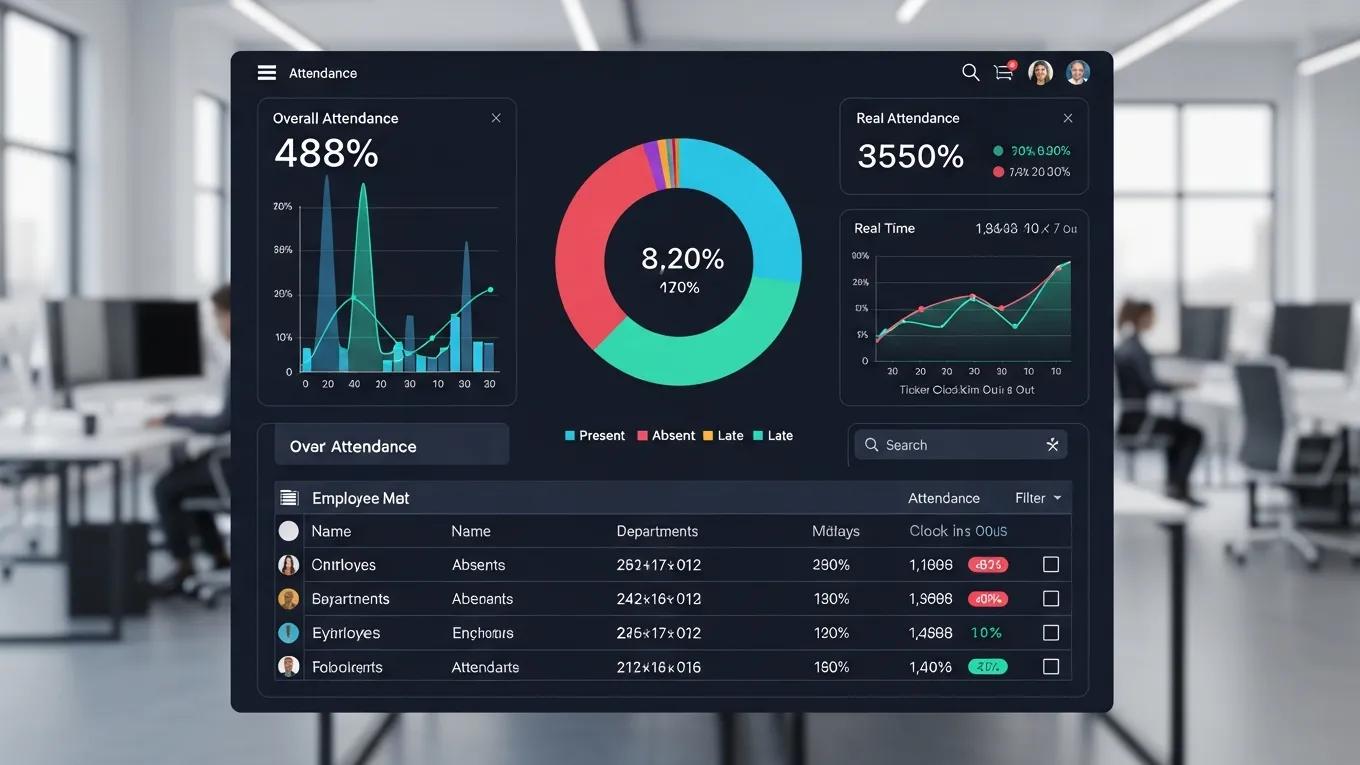
Automated attendance tracking improves accuracy and compliance by removing manual entry errors common to traditional timekeeping. Advanced systems create precise time records required for payroll and labor-law compliance. They reduce disputes over hours by providing verifiable data and offer real-time visibility so HR can monitor attendance patterns and act proactively. When integrated with PTO policies, these systems also make leave balances and entitlements clear to employees, promoting transparency.
What Features Define Effective Employee Time Tracking Software?
Effective time tracking software includes a set of essential features that improve functionality and the user experience. These features include:
- Automated Attendance Tracking: This feature allows for real-time monitoring of employee attendance, reducing the need for manual input and minimizing errors.
- Integration with Payroll Systems: Seamless integration with payroll systems ensures that employee hours are accurately reflected in payroll calculations, streamlining the payment process.
- Compliance Management Features: Effective software includes tools for tracking compliance with labor laws and regulations, helping businesses avoid costly penalties.
Together, these capabilities support a more efficient and compliant approach to workforce management.
How Does Automation Reduce Compliance Risks in Workforce Management?
Automation reduces compliance risk by ensuring consistent, auditable timekeeping and record-keeping. Automated systems limit human error, preserve accurate records necessary for audits, and maintain alignment between time tracking and payroll. Compliance monitoring tools can trigger alerts for potential issues, enabling HR to intervene early. This proactive stance protects the organization from legal exposure and reinforces accountability among employees.
What Are Best PTO Management Tools and Integration Practices?
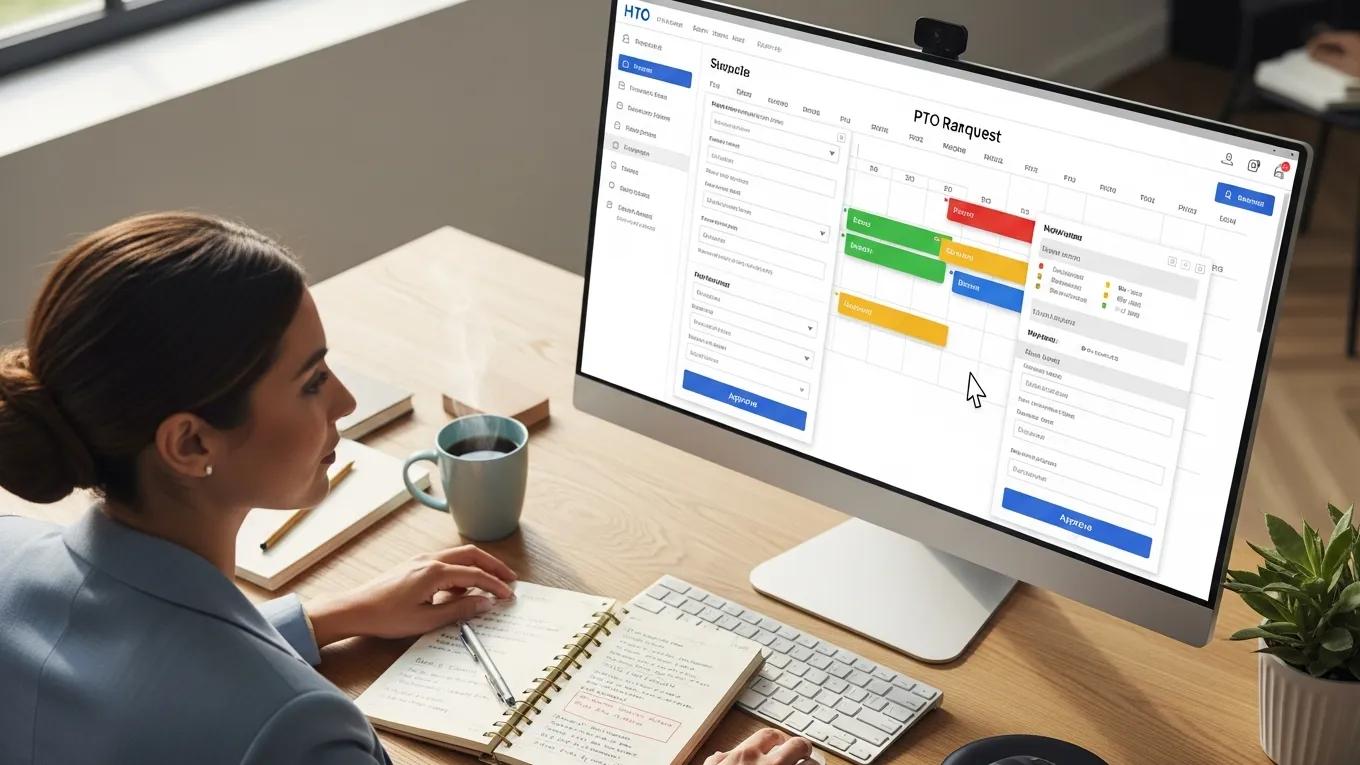
Effective PTO management tools are essential for sustaining employee satisfaction and regulatory compliance. Best practices include:
- Standardizing Processes: Establishing clear procedures for requesting and approving PTO helps streamline the process and ensures consistency.
- Automated Tracking: Utilizing software that automatically tracks PTO balances and requests can reduce administrative burdens and improve accuracy.
- Integration with Payroll Systems: Ensuring that PTO management tools are integrated with payroll systems allows for seamless calculations of leave entitlements and payments.
These practices improve operational efficiency and contribute to a positive employee experience.
Which PTO Policy Best Practices Ensure Regulatory Compliance?
To maintain regulatory compliance, organizations should adopt the following PTO policy practices:
- Clear Documentation of Policies: Clearly outlining PTO policies in employee handbooks helps set expectations and reduces misunderstandings.
- Regular Updates to Align with Regulations: Keeping PTO policies up-to-date with changing labor laws is crucial for compliance and protecting the organization from legal issues.
- Employee Training on PTO Policies: Providing training sessions for employees on how to utilize their PTO effectively fosters a culture of transparency and accountability.
Implementing these measures helps mitigate compliance risk and build employee trust.
How Can PTO Policy Integration Streamline Employee Leave Management?
Integrating PTO policies with time tracking systems streamlines leave management by centralizing requests and approvals. Automated PTO requests let employees submit leave through a single platform, reducing HR administrative load. Centralized support ensures consistent processing, and integrated compliance monitoring helps organizations remain current with regulatory changes. The result is a simpler leave process and clearer access to leave entitlements for employees.
How Does Integrated Payroll and Attendance Systems Enhance HR Efficiency?
Integrating payroll and attendance systems automates timekeeping and payroll workflows, cutting manual data entry and reducing calculation errors. This improves payroll accuracy and ensures employees are paid correctly and on time, which supports morale. The time saved allows HR teams to concentrate on strategic initiatives rather than administrative tasks. Integrated systems also enhance compliance tracking, reducing the risk of penalties.
What Are the Benefits of Seamless Payroll Integration with Time Tracking?
Seamless payroll integration with time tracking systems offers several key benefits:
- Improved Accuracy: Automated data transfer between time tracking and payroll systems reduces the likelihood of errors in payroll calculations.
- Efficiency in Payroll Processing: Streamlined processes allow for quicker payroll cycles, ensuring employees receive their payments promptly.
- Cost Savings: By minimizing errors and reducing administrative overhead, businesses can achieve significant cost savings in payroll management.
Collectively, these benefits demonstrate why payroll–time tracking integration is fundamental to effective workforce management.
How Does Integration Support Scalable Workforce Systems?
Integration supports scalable workforce systems by providing a flexible framework that adapts as the business grows. Integrated solutions can accommodate larger employee populations and more complex payroll calculations. Automated processes facilitate efficient onboarding and setup for new hires. Scalable systems enable growth without compromising operational efficiency or compliance, helping preserve productivity and employee satisfaction.
How Can Risk Reduction Be Achieved Through Compliance-Focused HR Solutions?
Risk reduction is achieved through compliance-focused HR solutions that prioritize accurate record-keeping and proactive monitoring. Standardized time tracking promotes consistent treatment of employees and reduces dispute risk. Automated PTO management maintains precise leave records required for labor-law compliance. Regular compliance reviews allow HR to identify issues early and take corrective action. These practices materially reduce compliance exposure and support a culture of accountability.
What Strategies Mitigate Compliance Risks in Time and Attendance Management?
To effectively mitigate compliance risks in time and attendance management, organizations should consider the following strategies:
- Conducting Regular Risk Assessments: Periodic evaluations of time tracking processes can help identify vulnerabilities and areas for improvement.
- Developing Robust Response Plans: Having clear procedures in place for addressing compliance issues ensures that organizations can respond swiftly and effectively.
- Utilizing Compliance Management Systems: Implementing specialized software for compliance management can streamline monitoring and reporting processes.
Together, these strategies strengthen an organization’s ability to manage compliance risk effectively.
How Does Denali HR’s Expertise Support Compliance and Risk Reduction?
Denali HR’s experience in HR outsourcing and compliance support helps businesses navigate workforce management complexities. Through comprehensive risk assessments, Denali HR identifies compliance exposures and recommends tailored solutions. The firm develops safety protocols and delivers employee training to maintain adherence to labor laws. As a trusted partner, Denali HR simplifies complex HR functions so clients can focus on core operations while reducing risk.
What Are Scalable Workforce Management Solutions for Growing Businesses?
Scalable workforce management solutions enable growing businesses to maintain operational efficiency. These solutions include structured HR systems that adjust to changing workforce needs and compliance tools that reduce penalty risk. Automation enhances administrative efficiency and frees teams to pursue strategic priorities. Implementing scalable solutions supports growth while preserving employee satisfaction.
How Do Integrated Systems Adapt to Business Expansion?
Integrated systems adapt to business expansion by offering a flexible framework that accommodates increased complexity. As organizations grow, integrated time tracking and payroll systems scale to manage larger workforces and more intricate payroll requirements. This ensures operational efficiency without sacrificing compliance or accuracy. Integrated systems also simplify onboarding, allowing new employees to be incorporated into existing workflows smoothly—an important capability for expanding organizations.
What Role Does Outsourced HR Play in Scalable Workforce Management?
Outsourced HR supports scalable workforce management by providing specialist expertise and resources that align with business growth. Partnering with HR outsourcing firms gives organizations access to structured, scalable HR systems and up-to-date compliance knowledge. This access enables the adoption of best practices that improve efficiency and employee satisfaction. Outsourced HR allows businesses to focus on core operations while leveraging professional HR support.
Frequently Asked Questions
What are the key advantages of using time tracking software for remote teams?
Time tracking software provides remote teams with enhanced accountability and visibility into work hours and project progress. Managers can monitor hours and milestones in real time, which helps keep tasks on schedule. Reporting and analytics features identify opportunities for efficiency improvements. By increasing transparency around work time and timelines, these tools support collaboration and stronger team performance.
How can businesses ensure employee buy-in for new time tracking systems?
To secure employee buy-in, prioritize clear communication and structured training. Explain the system’s benefits, such as improved payroll accuracy and reduced administrative burden. Involve employees in the selection process and provide thorough training to build competence. Soliciting feedback during implementation increases engagement and supports effective adoption.
What are the common challenges faced when integrating time tracking with payroll systems?
Common challenges include data synchronization problems and resistance to change. Ensuring both systems interoperate correctly is essential, as discrepancies can produce payroll errors. Implementation also requires investment in staff training and time. Organizations must account for labor-law compliance during integration. Thorough planning and dedicated support help address these challenges and smooth the transition.
How does automated PTO tracking benefit employees and HR departments?
Automated PTO tracking simplifies leave requests and ensures accurate record-keeping for both employees and HR. Employees can view balances and submit requests through an intuitive interface, reducing confusion and delays. For HR, automation lowers the risk of tracking errors, speeds approvals, and supports regulatory compliance. The outcome is time savings and clearer entitlement management.
What role does employee training play in the successful implementation of time tracking software?
Employee training is essential to successful implementation. Comprehensive sessions help users navigate the software, understand its features, and recognise its benefits. Proper training reduces resistance and encourages consistent use. Ongoing support and periodic refreshers address issues that arise after rollout and reinforce a culture of accountability and efficiency.
How can businesses measure the effectiveness of their time tracking and PTO management systems?
Measure effectiveness using metrics such as payroll accuracy, employee satisfaction survey results, and compliance-audit outcomes. Compare administrative hours before and after implementation to quantify efficiency gains. Analyze trends in leave usage and attendance to identify areas for improvement. Regularly reviewing these indicators enables data-driven adjustments to optimize workforce management strategies.
About the Author
This article was reviewed by Josh Henderson, Founder of Denali HR. Denali HR, based in Salt Lake City, Utah, provides payroll services, employee benefits administration, HR support, and risk management solutions for small and mid-sized businesses. Founded in 2019, the company focuses on delivering personalized HR support without the complexity of large PEO providers.