
Illegal Interview Questions: What Utah Employers Shouldn’t Ask
Learn which interview questions Utah employers should avoid, where the law draws the line, and how to ask about qualifications and availability without making personal assumptions.

Learn which interview questions Utah employers should avoid, where the law draws the line, and how to ask about qualifications and availability without making personal assumptions.

A Guide for CEOs and Founders on Promotion Pay, Compensation, Job Duties, Payroll, Employee Classification, Remote Teams, and PEO Support You have a high-performing employee

A Utah Employer’s Guide to PEO Co-Employment, HR Compliance, Employee Claims, Documentation, Investigations, and Risk Management An employee files a complaint or legal claim against

From I-9s and W-4s to Payroll, Utah New-Hire Reporting, HR Systems, and PEO Support Hiring your first employee feels like a major business milestone. You

What CEOs, Founders, and Managers Should Have in the Employee File Before Making a Termination Decision The termination meeting might last 10 minutes. But the

Effective communication is key in change management. Learn practical strategies to enhance transition planning and ensure seamless organizational improvements.
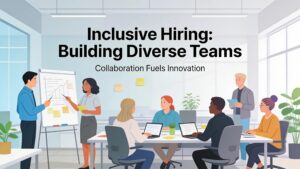
Elevate your hiring process with practical tips for effective assessment selection. Optimize pre-employment assessments to ensure candidate success and fit.

Master HR vendor management with Denali’s essential playbook. It covers contract checklists and outsourcing tips to streamline operations and ensure success.

Unlock the potential of your employee self-service portal with practical setup steps and guidance. Enhance efficiency and empower your workforce today.

Unlock the secrets of HR outsourcing pricing models. This practical guide helps business owners navigate costs and choose the best strategy for their needs.
Performance management is crucial for aligning employee goals with organizational objectives. By implementing effective performance management strategies, businesses can enhance productivity, improve employee engagement, and foster a culture of continuous feedback.
Techniques such as regular performance reviews, goal-setting frameworks like OKRs (Objectives and Key Results), and 360-degree feedback can provide comprehensive insights into employee performance. These strategies not only help in recognizing high performers but also in identifying areas for improvement, thereby contributing to overall business success.
Retaining top talent is essential for the sustainability of small businesses. Effective employee retention strategies can minimize turnover rates and maintain a stable workforce, which is vital for operational efficiency and growth.
Offering competitive benefits, creating opportunities for professional development, and fostering a positive workplace culture are key components of successful retention strategies. Additionally, conducting exit interviews can provide valuable insights into employee dissatisfaction, allowing businesses to address potential issues proactively.
Compliance training is an essential aspect of HR management, ensuring that employees understand and adhere to legal and regulatory requirements. This training helps mitigate risks associated with non-compliance, which can lead to significant legal consequences for businesses.
HR professionals should prioritize ongoing compliance training programs that cover topics such as workplace safety, anti-discrimination laws, and data protection regulations. Utilizing interactive training methods, such as workshops and online courses, can enhance engagement and retention of critical compliance information.
Technology plays a transformative role in modern HR management, streamlining processes and enhancing efficiency. From applicant tracking systems to employee self-service portals, technology enables HR professionals to focus on strategic initiatives rather than administrative tasks.
Implementing HR software solutions can facilitate better data management, improve communication, and provide valuable analytics for decision-making. Moreover, leveraging tools such as artificial intelligence for recruitment can help identify the best candidates more effectively, ultimately leading to better hiring outcomes.