

Key Change Management Strategies for Today’s Leaders
By Josh Henderson, Denali HR
Effective change management is essential for leaders guiding organizational transformation. As change becomes routine, leaders must manage transitions to preserve morale and productivity. This article presents techniques people leaders can apply—clear communication, targeted employee engagement, and compliance oversight—to reduce resistance and secure organizational buy-in. Understanding these elements enables smoother transitions and stronger adoption.
This guide covers transition management strategies, the role of outsourced HR, communication planning, and best practices for monitoring employee engagement. Each section provides actionable insights and practical approaches to build a resilient culture and support successful transitions.
What Are the Essential Transition Management Strategies for People Leaders?
Transition management is a systematic approach to navigating organizational change. Leaders should adopt structured strategies that address complex, concurrent challenges. By clarifying roles and communicating expectations, leaders instill confidence and reduce uncertainty. A structured approach limits conflict and encourages collaboration.
Emphasizing transition strategies promotes stability and reduces employee anxiety, which helps to build trust. Effective training and transparent communication prepare teams for upcoming changes while aligning work with organizational objectives. Cultivating an adaptable mindset is essential for both leaders and team members.
What Role Does Outsourced HR Play in Supporting Transition Management?
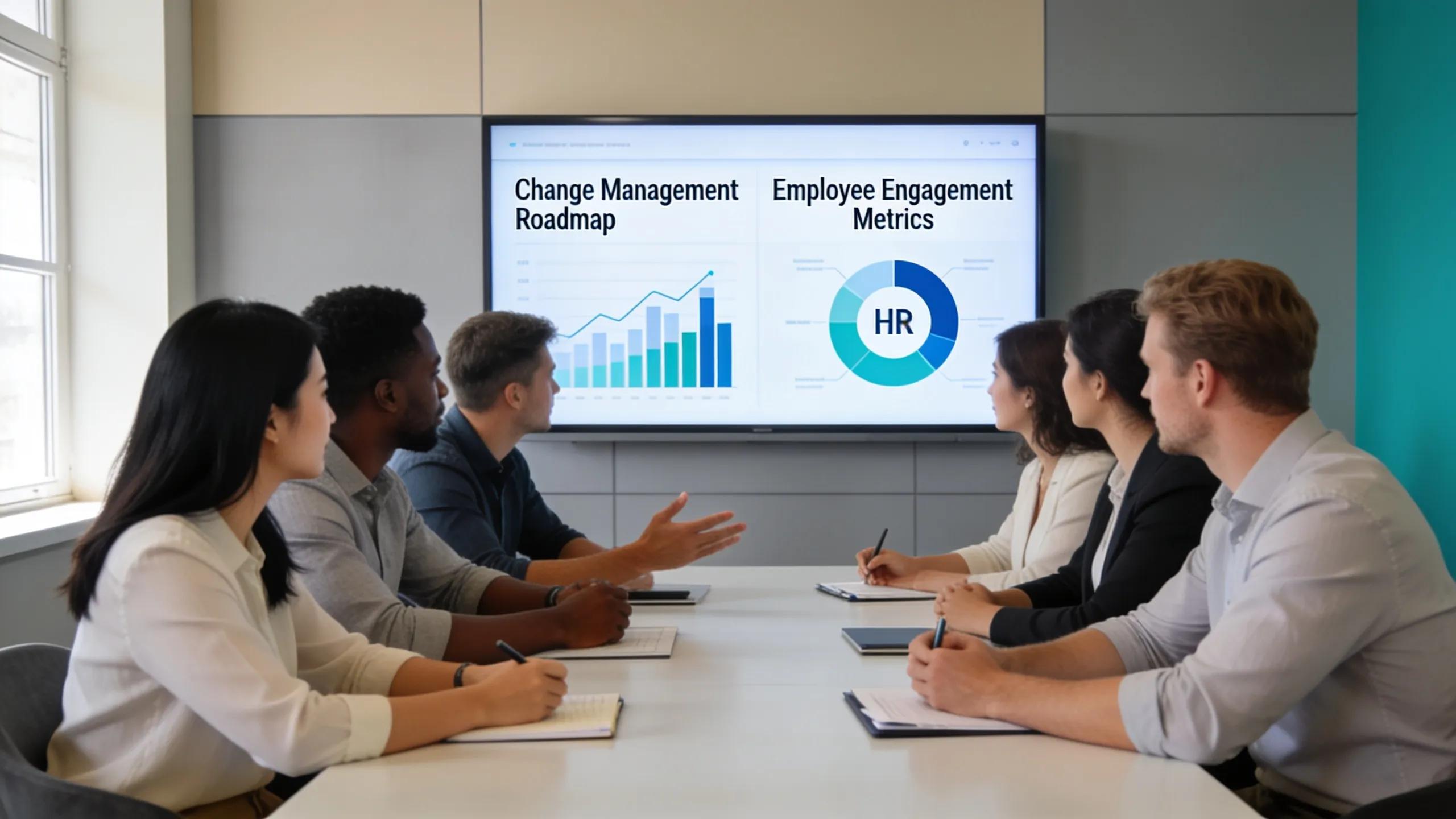
Outsourced HR provides specialised expertise during transitions, managing complex HR functions that arise during change. Denali HR, for example, specializes in streamlining HR processes and supporting compliance, legal requirements, and communication strategies critical to transitions. Their services allow leaders to focus on strategic priorities rather than administrative tasks.
Engaging outsourced HR helps organizations leverage compliance expertise to reduce risks in employee management and regulatory adherence. They can streamline onboarding to help new hires adapt more quickly and strengthen employee engagement initiatives so transitions are accepted and performance and morale are maintained.
How Can People Leaders Develop Effective Communication Plans for Organizational Change?

Leaders must prioritize clear, transparent communication plans that explain the change process and its implications. Open communication helps employees feel valued by inviting their perspectives and concerns. Actively involving staff in the change narrative builds clarity and confidence.
Using multiple communication methods—regular updates, feedback sessions, and interactive forums—improves acceptance of change. Proactively addressing concerns through these channels mitigates resistance and strengthens engagement.
Which Communication Techniques Improve Change Acceptance and Clarity?
Effective communication uses techniques that promote clarity and acceptance:
- Transparent Updates: Regular updates ensure that teams are informed about progress and developments in real-time, which reduces uncertainty.
- Two-Way Communication: Creating platforms for feedback encourages employees to voice concerns and contribute ideas, making them feel integral to the process.
- Engagement in Messaging: Tailoring messages to resonate with employees’ values can create a deeper connection with the change initiatives, leading to higher acceptance.
These techniques help leaders create trust and maintain open dialogue that supports effective change implementation.
How to Address Resistance to Change Through Strategic Messaging
Resistance often stems from fear or misunderstanding. Strategic messaging reduces resistance by emphasising benefits for employees and the organization.
Sharing success stories and peer testimonials can motivate hesitant employees. Addressing concerns with empathy and facilitating open discussions about pain points helps alleviate fears and encourages collaborative problem-solving.
What Methods Drive Employee Engagement During Organizational Change?
Employees are central to successful change. Leaders must implement methods that engage staff throughout the process to build support and participation.
Involve employees through focus groups, collaborative meetings, and solicited input. Integrating employee feedback aligns initiatives with staff needs and perspectives, which is essential for cultivating engagement.
How to Manage Employee Relations to Foster Support and Participation
Managing employee relations during change is crucial to maintain a supportive environment. Leaders can adopt these approaches to nurture relationships and encourage participation:
- Active Listening: Encouraging employees to express concerns facilitates a supportive atmosphere where needs are acknowledged.
- Recognition Schemes: Implementing systems that recognize contributions can boost morale and foster commitment during transitions.
- Open Channels for Communication: Establishing accessible channels for ongoing communication empowers employees to remain involved and informed.
These strategies reinforce that employees are valued contributors to the transition process, which supports more successful outcomes.
What Are Best Practices for Monitoring and Enhancing Engagement?
Monitor engagement with systematic methods such as surveys and pulse checks to identify concerns and enable timely interventions. Continuous assessment ensures employees feel heard and supports ongoing improvement.
Apply data-driven insights to tailor engagement strategies. Understanding team dynamics through these assessments allows leaders to refine communication and management approaches to sustain employee involvement.
How Do People Leaders Ensure Compliance and Risk Mitigation in Change Processes?
Leaders must ensure compliance and mitigate risks during change by staying aware of legal requirements, policies, and appropriate monitoring measures. Regular audits and reviews of practice help identify potential compliance issues early.
Include targeted compliance and risk-management training so employees can follow regulatory standards during transitions. Tailor training to organizational size and structure to meet specific needs.
What Are Key HR Compliance Requirements During Organizational Change?
HR compliance during change commonly includes:
- Legal Adherence: Understanding obligations under labor laws and employment regulations.
- Documentation Practices: Maintaining thorough records of procedures, communications, and compliance actions taken during transitions.
- Employee Rights Protection: Ensuring that changes do not violate employee rights while navigating through transitions.
Adhering to these requirements protects organizations from legal risk and supports an ethical workplace environment.
How to Integrate Compliance Monitoring Within Transition and Communication Plans
Integrate compliance monitoring into transition and communication plans by including compliance training as part of change initiatives. Regular updates should clarify compliance expectations for employees.
Use feedback mechanisms to monitor adherence and build accountability. Consider third-party audits for impartial compliance assessments during transitions to reinforce credibility.
What Are Proven Techniques to Overcome Resistance to Change Management?
Addressing resistance requires identifying its sources and working collaboratively to resolve concerns.
How Can Leaders Identify and Address Sources of Employee Resistance?
Leaders can use these methods to identify and address resistance effectively:
- Surveys and Feedback Mechanisms: Regularly check in through surveys to gauge employee sentiment and understanding regarding the change.
- One-on-One Conversations: Engaging in direct dialogues allows for deeper insights into personal apprehensions.
- Employee Involvement: Involving employees in co-creating solutions to resolve their concerns enhances ownership and commitment to change.
Together, these techniques help leaders identify resistance sources and apply timely, relevant interventions.
What Tools and Frameworks Support Managing Change Resistance Effectively?
Applying these frameworks gives leaders a structured, evidence-based approach to managing resistance and cultivating a culture of adaptability.
How Can People Leaders Leverage Organizational Change Leadership for Scalable Workforce Systems?
As organizations evolve, scalable workforce systems are essential for agility. People leaders should drive change leadership that enhances organizational adaptability.
Integrate technology into HR processes to improve scalability and manage the workforce as the organization grows. Investing in leadership development strengthens change leadership capabilities and prepares leaders for future challenges.
What Leadership Skills Are Critical for Driving Sustainable Change?
Leaders must cultivate several key skills that are essential for driving sustainable change within their organizations:
- Resilience: The ability to persevere in the face of challenges and adapt positively to change.
- Visionary Thinking: Crafting a forward-looking vision that inspires and motivates employees to embrace change.
- Collaborative Engagement: Fostering an environment that encourages teamwork and inclusive participation throughout the change process.
Cultivating these skills enables leaders to guide transitions effectively and achieve sustainable outcomes.
How to Build Scalable HR Systems That Support Continuous Change
To build scalable HR systems capable of supporting continuous change, organizations can focus on:
- Flexible Policies and Procedures: Designing HR strategies that can readily adapt to changing organizational needs.
- Comprehensive Training Initiatives: Ongoing training supports HR personnel in understanding evolving responsibilities and compliance requirements.
- Data-Driven Decision Making: Leveraging HR analytics ensures organizations can pivot quickly and effectively responding to workforce dynamics.
These strategies enable organizations to stay agile, facilitate transformation, and maintain employee satisfaction.
Frequently Asked Questions
1. What is the importance of employee involvement in change management?
Employee involvement is critical because it fosters ownership and accountability. When staff have a voice, they are more likely to feel valued and invested in the success of change initiatives, which supports better problem-solving and higher acceptance.
2. How can leaders measure the effectiveness of change management strategies?
Leaders can measure effectiveness through employee feedback surveys, performance metrics, and engagement monitoring. Combine quantitative data—such as turnover and productivity—with qualitative input from reviews and focus groups to assess impact and refine strategies.
3. What are the common pitfalls in change management that leaders should avoid?
Common pitfalls include poor communication, insufficient employee involvement, and overlooking the emotional impact of change. Failure to communicate clearly or address staff concerns undermines trust and increases resistance, which can hinder the initiative.
4. How important is ongoing training during organizational change?
Ongoing training is essential because it equips employees with the skills and knowledge to adopt new processes and systems confidently. Continuous development reduces uncertainty and fosters a culture of learning and adaptability.
5. In what ways can technology aid in change management processes?
Technology supports change by improving communication, collaboration, and data analysis. Project management tools increase transparency, communication platforms enable dialogue and feedback, and analytics provide insights into employee sentiment for timely adjustments.
6. What role do success stories play in change management?
Success stories inspire and motivate employees by demonstrating tangible benefits and positive outcomes. Sharing these narratives highlights contributions from staff who adopted change and helps build momentum for future initiatives.
7. How can leaders facilitate a culture of feedback during transitions?
Leaders can foster a feedback culture by creating open channels and encouraging regular input through surveys, suggestion boxes, and check-in meetings. Acting on feedback and recognising contributions reinforces trust and makes employees feel integral to the process.
About the Author
This article was reviewed by Josh Henderson, Founder of Denali HR. Denali HR, based in Salt Lake City, Utah, provides payroll services, employee benefits administration, HR support, and risk management solutions for small and mid-sized businesses. Founded in 2019, the company focuses on delivering personalized HR support without the complexity of large PEO providers.