
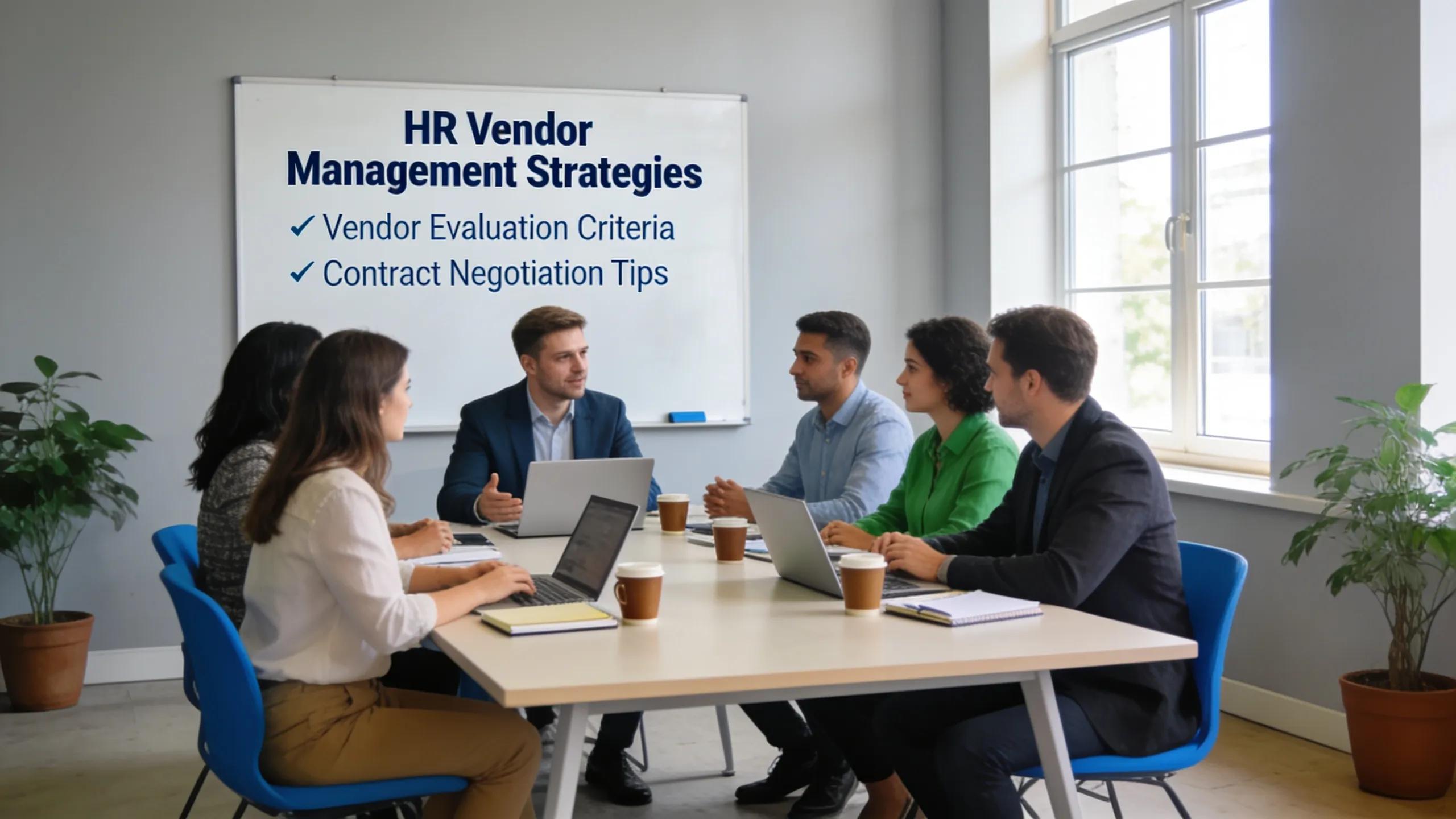
Comprehensive HR Vendor Management and Contract Checklist for Effective Risk and Compliance Control
By Josh Henderson, Denali HR
Effective HR vendor management is essential for organizations that aim to optimize HR operations while maintaining compliance and reducing risk. It requires rigorous vendor evaluation, continuous compliance monitoring, and precise contract management. Organisations commonly face regulatory challenges and oversight gaps; this guide consolidates criteria, best practices and tools for vendor evaluation, compliance monitoring and contract checklists to help your organisation strengthen HR governance.
Thorough Vendor Evaluation

A structured vendor evaluation process is critical to selecting HR partners that align with your organisation’s objectives. Assess compliance obligations, performance metrics and integration capabilities to make informed, strategic choices.
Evaluation Metrics
Evaluation metrics should include pricing models, service scope and operational reliability. Comparing these factors across vendors reveals true total cost and service value.
Compliance Requirements
Compliance is mandatory in HR vendor relationships. Confirm vendors adhere to applicable labour laws and data protection standards and maintain current documentation to demonstrate compliance.
Risk Assessment Factors
Identify risk factors early by requesting relevant certifications and documentation. Address data security, service continuity and other potential failures through a formal risk assessment process.
Ongoing Compliance Monitoring
After vendor selection, ongoing compliance monitoring is necessary to preserve standards. Implement regular audits and adaptable monitoring systems to ensure continued adherence to contractual and regulatory requirements.
Importance of Regular Audits
Scheduled audits verify compliance and reveal improvement areas. Regular reviews enable proactive responses to performance or compliance gaps.
Implementation of Compliance Monitoring Systems
Deploying monitoring systems enhances your ability to track vendor adherence. Integrate solutions with HR systems where possible to improve data consistency and operational efficiency.
Adapting to Regulatory Changes
Regulations evolve; conduct periodic compliance reviews to identify when vendors must update practices. Timely adjustments preserve productive, compliant relationships.
Utilization of Compliance Checklists
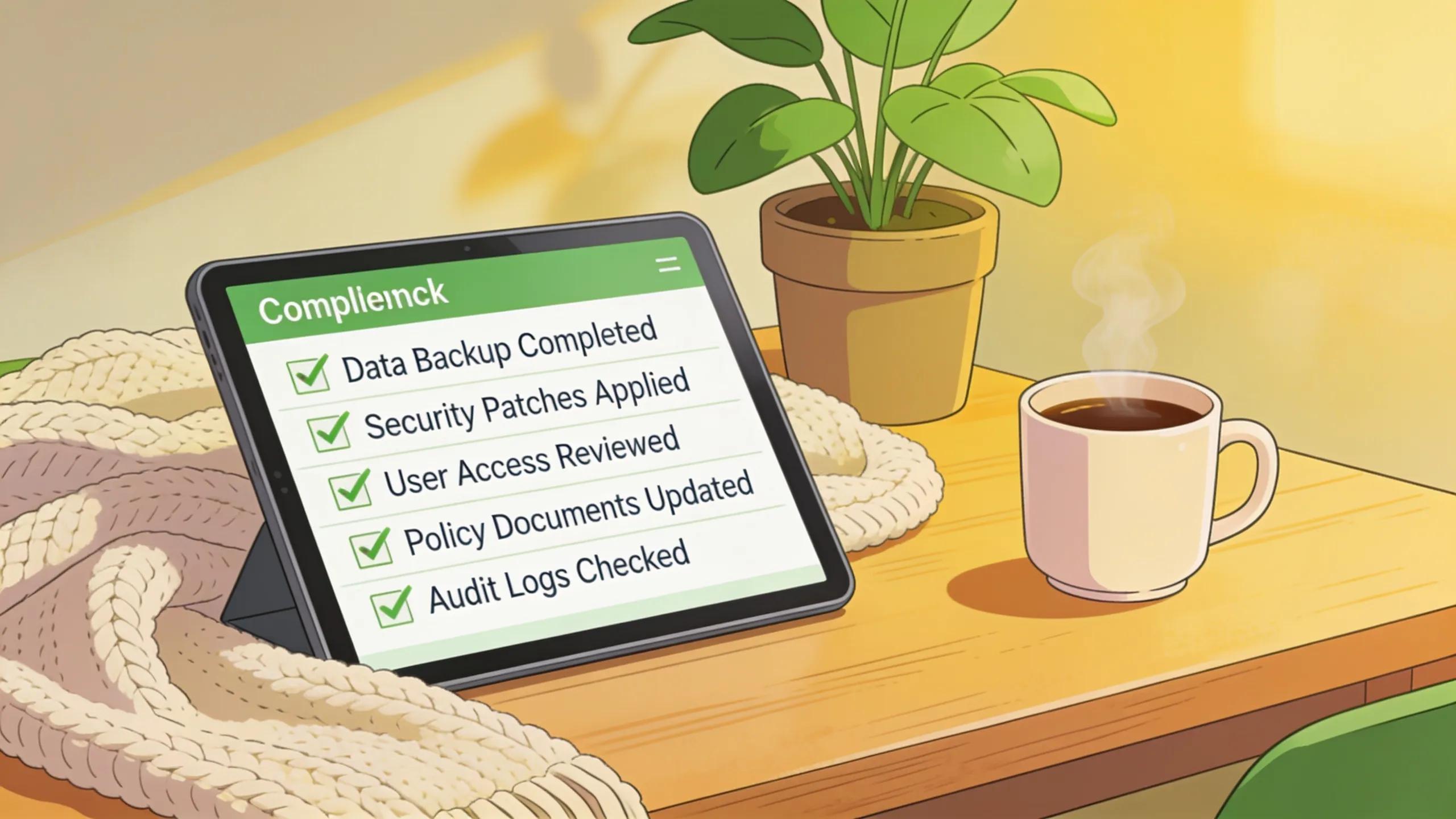
Compliance checklists provide a consistent framework for monitoring vendor performance. They standardise oversight and ensure essential standards are tracked and documented.
Structure of Compliance Checklists
A clear checklist lists applicable regulations, performance metrics and review deadlines. This enables HR teams to record vendor activity, queries and compliance items systematically.
Areas of Focus in Checklists
Checklists should target critical areas such as payroll accuracy, employee classification and scheduled compliance audits to prevent overlooked obligations.
Benefits of Using Checklists
Checklists improve accountability and organisation, aid performance tracking and promote transparent communication between your organisation and vendors.
Integration Capabilities
Assess how well vendor systems integrate with existing infrastructure. Seamless integration is key to reliable data flow and a consistent user experience.
Data Synchronization Importance
Reliable data synchronization between HR systems and vendor platforms ensures timely access to accurate information and reduces manual errors that can affect compliance.
User Experience Considerations
Evaluate usability when reviewing vendor systems. An intuitive interface accelerates user adoption and reduces training time, improving operational uptake.
Impact on Operational Efficiency
Appropriate integration capabilities streamline HR workflows. Vendors that facilitate smooth data exchange help your organisation manage HR processes more efficiently.
Regular Risk Assessments
Conduct regular risk assessments to identify and monitor vulnerabilities in vendor relationships. A proactive approach maintains visibility over evolving risks.
Identifying Vulnerabilities
Typical vulnerabilities include data security gaps and inconsistent service delivery. Early identification enables corrective action before issues escalate.
Conducting Annual Assessments
Annual assessments deliver a comprehensive view of vendor risk profiles and support adjustments to risk management strategies as conditions change.
Responding to Significant Changes
Respond promptly to material regulatory or operational changes to preserve compliance and minimise disruptions to vendor relationships.
Robust Response Plans
Robust response plans prepare your organisation to manage compliance incidents efficiently. Clear planning reduces crisis management time and strengthens operational resilience.
Defining Procedures for Risk Response
Documented procedures should specify roles and steps for common compliance scenarios so teams can act quickly and consistently.
Ensuring Swift Action
Response plans must enable rapid action. Timely intervention limits exposure and reduces the impact of compliance breaches.
Maintaining Documentation
Keep detailed records of all compliance actions and responses. Accurate documentation supports accountability, audits and future risk mitigation.
Essential HR Vendor Management and Compliance Checklist
Invest in targeted training for HR staff on compliance and vendor management. Skilled personnel are essential to sustaining compliance and effective vendor oversight.
Offering Ongoing Training Programs
Implement regular training that reflects evolving standards so staff remain informed and prepared to manage vendor obligations.
Ensuring Staff Are Informed
Current staff knowledge reduces errors in vendor management and improves collaboration and communication with vendors.
Minimizing Errors
Consistent training lowers the risk of compliance-related errors and supports accurate, reliable vendor management practices.
Documentation and Record-Keeping
Accurate documentation and disciplined record-keeping form the foundation of effective compliance. Well-maintained records simplify audits and verify vendor performance.
Importance of Accurate Documentation
Detailed documentation clarifies obligations and protects organisational interests during vendor interactions and compliance reviews.
Supporting Accountability
Clear records hold both your organisation and vendors accountable and provide evidence in the event of disputes.
Facilitating Audits
Organised documentation streamlines audit processes and demonstrates that compliance standards are being met.
Engagement of Compliance Specialists
Engage compliance specialists when vendor relationships or regulatory requirements exceed internal capacity. Specialists provide technical expertise and regulatory interpretation.
Role of Compliance Specialists
Compliance specialists interpret regulations and recommend best practices, helping define appropriate vendor expectations and controls.
Benefits of Their Oversight
Specialist oversight keeps your organisation current with regulatory change and reduces exposure to compliance risk.
When to Engage Them
Consider specialist engagement for complex contracts, high-risk vendors or when internal resources cannot address specific regulatory challenges.
Feedback Mechanisms
Implement structured feedback mechanisms to increase transparency and drive continuous improvement in vendor performance and compliance.
Creating Transparency
Open communication channels foster transparent relationships and make it easier to raise and resolve issues collaboratively.
Driving Continuous Improvement
Anonymous and structured feedback options capture concerns that inform vendor evaluations and support performance improvement initiatives.
Addressing Performance Issues
Regular feedback enables timely resolution of performance issues and reduces misunderstandings in vendor interactions.
What Are the Essential Criteria for HR Vendor Evaluation?
Clearly defined evaluation criteria are fundamental to selecting suitable HR vendors. Consider cost structures, service scope and compliance capabilities when assessing potential partners.
Evaluation Metrics
Select metrics that reflect total cost, service coverage and operational reliability to assess vendor value accurately.
Compliance Requirements
Require vendors to demonstrate adherence to payroll regulations and monitoring frameworks to protect your organisation’s compliance posture.
Risk Assessment Factors
Prioritise documentation and certifications during evaluation to identify and mitigate potential compliance risks early in the selection process.
How to Assess Vendor Reliability and Service Quality
Assess vendor reliability through documented performance history, reference checks and regular audits to confirm consistent service delivery.
Analyzing Past Performance
Review historical performance records to determine how vendors have handled challenges, compliance matters and service continuity.
Requesting Documentation
Request relevant documentation, including service level agreements and compliance records, to support due diligence and reliability assessments.
Conducting Regular Audits
Periodic audits provide insights into vendor operations and ensure adherence to contractual and regulatory requirements.
Which Compliance Factors Must Vendors Meet?
Identify specific compliance obligations when evaluating HR vendors, including payroll tax filings, accurate employee classification and ongoing monitoring responsibilities.
Payroll Tax Filings
Vendors must meet payroll tax filing requirements promptly and accurately to protect your organisation from liability and penalties.
Employee Classification Requirements
Accurate employee classification is critical; misclassification creates legal and financial risk for the organisation.
Ongoing Monitoring Needs
Establish clear expectations for continuous monitoring to ensure vendors maintain compliance throughout the contract term.
What Key Clauses Should an HR Vendor Contract Include?
HR vendor contracts should include clauses that protect organisational interests, such as compliance with law, indemnification, audit rights and termination provisions.
Which Risk Mitigation Clauses Are Critical in HR Contracts?
Include indemnification and liability provisions to define risk allocation and protect your organisation against vendor-related liabilities.
How Do Contract Terms Ensure Ongoing Compliance and Performance?
Contract terms establish the obligations, processes and performance expectations necessary to maintain compliance and monitor vendor performance effectively.
Defining Compliance Requirements
Explicitly define compliance obligations in contracts to promote mutual understanding and accountability between parties.
Setting Performance Metrics
Specify measurable performance metrics in contracts to facilitate ongoing assessment and enforce accountability.
Engagement Terms for Ongoing Performance
Include provisions that outline how performance evaluations will be conducted, their frequency and the documentation required to demonstrate compliance.
How Can Businesses Manage HR Vendor Risks Effectively?
Manage HR vendor risks through rigorous documentation review, targeted staff training and clear contractual expectations that align with organisational requirements.
Assessment of Vendor Evaluation Criteria
Use evaluation criteria that balance risk exposure with potential benefits to guide vendor selection decisions.
Documentation Review Processes
Implement regular documentation reviews involving multiple stakeholders to verify ongoing compliance and provide diverse oversight.
Training for HR Staff
Equip HR staff with training to interpret contract terms and compliance requirements so they can manage vendor relationships effectively.
What Are Best Practices for Ongoing Vendor Compliance Monitoring?
Adopt best practices such as scheduled audits, continuous staff training and technology-enabled monitoring to maintain robust vendor compliance oversight.
Regular Audits and Checks
Maintain a consistent audit schedule to verify vendor adherence to contractual obligations and compliance standards.
Employee Training Programs
Deliver training on monitoring procedures so employees can identify issues and maintain high compliance standards.
Utilization of Technology
Leverage compliance management tools to automate monitoring, reduce manual workload and provide timely visibility into vendor performance.
Which Tools Support Automated Risk Management and Compliance Tracking?
Choose tools that automate compliance tracking and embed risk controls into workflows to provide real-time insights into vendor performance.
Overview of Compliance Tracking Software
Compliance tracking software integrates with HR systems to provide continuous oversight and a centralised compliance framework.
Benefits of Audit Management Tools
Audit management tools streamline review processes, improve accountability and reduce the administrative burden of maintaining compliance.
What Are the Benefits of Outsourcing HR Vendor Management?
Outsourcing HR vendor management can increase efficiency, access specialised expertise and strengthen compliance oversight for your organisation.
Cost Savings
Outsourcing often reduces overhead by leveraging external expertise while maintaining compliance and operational standards.
Expertise Access
Access to specialist knowledge improves your organisation’s ability to manage complex compliance issues and vendor relationships.
Improved Compliance
Specialist providers implement tailored monitoring processes and maintain regulatory knowledge to support consistent compliance.
How Does Outsourcing Streamline Employee Management and Payroll Integration?
Outsourcing can centralise employee processes and payroll systems, reducing duplication and lowering the risk of errors.
HR Process Efficiency Benefits
Specialist vendors streamline HR workflows and enable your team to focus on strategic priorities by handling routine tasks efficiently.
Enhanced Compliance Advantages
External providers bring regulatory expertise that reinforces compliance and ensures consistent application of standards.
In What Ways Does Expert HR Outsourcing Reduce Business Risks?
Expert HR outsourcing aligns processes with regulatory requirements and reduces exposure to vendor-related risks through specialised controls and oversight.
Understanding Risk Mitigation Strategies
External experts deploy targeted risk-mitigation strategies to address potential vendor issues before they escalate.
Streamlining HR Processes
Outsourcing simplifies compliance monitoring and lowers the operational complexity of managing vendor relationships.
What Steps Comprise an Effective HR Vendor Contract Checklist?
An effective contract checklist sets out clear steps for vendor selection, due diligence and contract execution to ensure consistent, compliant outcomes.
Defining Contract Terms
Define precise contract terms to align vendor deliverables with organisational objectives and compliance obligations.
Establishing Evaluation Criteria
Establish measurable evaluation criteria to guide selection decisions and ensure alignment with strategic goals.
How to Structure a Checklist from Vendor Selection to Contract Execution
Structure the checklist to cover requirements definition, due diligence, negotiation and final contract execution for a repeatable process.
Defining Requirements for Vendors
Document essential vendor requirements clearly to set expectations and support objective evaluation.
Conducting Thorough Research
Conduct comprehensive research on potential vendors to inform selection and reduce exposure to operational and compliance risks.
What Common Questions Do Businesses Have About HR Vendor Contracts?
Businesses frequently request clarity on contract terms, negotiation tactics and common pitfalls to ensure sound agreements and effective vendor oversight.
Common Pitfalls in Vendor Contracts
Common pitfalls include unclear expectations and omitted compliance clauses; recognising these issues helps mitigate contractual risk.
Best Practices for Negotiation
Negotiate with a focus on clarity, measurable expectations and mutual responsibilities to secure balanced and enforceable contracts.
Frequently Asked Questions
What strategies can help with effective vendor relationship management?
Effective vendor relationship management requires defined communication channels, regular performance reviews and structured feedback loops. Assess vendors against agreed metrics, maintain transparent records and design partnership-focused contracts to clarify roles and responsibilities.
How can organizations ensure vendor compliance during contract execution?
Ensure compliance during contract execution by implementing a monitoring framework with scheduled audits, clear performance metrics and documented expectations. Use compliance tracking tools to increase visibility and address issues promptly through established escalation paths.
What are the best practices for conducting vendor audits?
Best practices for vendor audits include setting a clear schedule, defining scope and objectives, and involving relevant stakeholders. Use audit checklists aligned with regulatory requirements, provide vendors with advance notice and follow up with corrective action plans.
How often should risk assessments be performed on vendor relationships?
Perform risk assessments at least annually and increase frequency for high-risk or critical vendors. Also reassess after significant regulatory changes or material shifts in vendor performance to maintain effective risk management.
What should organizations include in an employee training program related to vendor management?
An employee training program should cover applicable compliance regulations, vendor evaluation techniques, and documentation practices. Include practical examples and tools to help staff apply procedures consistently and manage vendor relationships responsibly.
In what situation should businesses consider engaging compliance specialists?
Engage compliance specialists when vendor arrangements are complex, regulations are highly technical, or internal resources cannot manage compliance demands. Specialists can design tailored controls and advise on regulatory interpretation.
What role does technology play in HR vendor management?
Technology automates compliance tracking, synchronises data and streamlines communication. Integrated systems reduce manual tasks, improve accuracy and provide real-time insights to support decision-making and compliance reporting.
About the Author
This article was reviewed by Josh Henderson, Founder of Denali HR. Denali HR, based in Salt Lake City, Utah, provides payroll services, employee benefits administration, HR support, and risk management solutions for small and mid-sized businesses. Founded in 2019, the company focuses on delivering personalized HR support without the complexity of large PEO providers.