

Comprehensive Pay Equity Analysis and Compliance Steps for Workplace Fairness
By Josh Henderson, Denali HR
Understanding pay equity is essential to creating a fair workplace. Pay equity analysis examines compensation practices to identify disparities and ensure comparable work receives equitable pay. This guide sets out the steps to perform a pay equity analysis and maintain compliance with applicable laws, addresses employer concerns about pay disparities and their consequences, and provides practical, actionable compliance measures. The sections that follow explain the value of workplace fairness, outline analysis methods, and detail compliance steps to support equitable labor practices.
Importance of Workplace Fairness

Workplace fairness underpins motivation and productivity. It improves employee satisfaction and reduces exposure to pay-discrimination claims. Key benefits of fair remuneration include:
- Enhanced Employee Satisfaction: Fair pay promotes trust, leading to high morale and retention rates.
- Legal Protection: Companies adhering to equitable pay practices reduce the risk of harassment claims and lawsuits.
- Improved Company Reputation: Fair compensation practices bolster a business’s public image and attract top talent.
Recognizing these benefits positions organizations to integrate equitable pay into their operational strategy.
Key Analysis Methods
Effective pay equity analysis employs multiple methodologies tailored to organizational needs. Key analysis methods include:
- Statistical Analysis: Using data to identify pay gaps across diverse demographics, employing regression techniques to control for relevant factors.
- Job Evaluations: Systematically assessing job roles to ensure they are compensated fairly according to their responsibilities and industry benchmarks.
- Benchmarking Practices: Comparing organizational compensation against industry standards to validate competitiveness in salary offerings.
Using these methods provides a structured approach to identifying and resolving pay disparities.
Actionable Compliance Steps
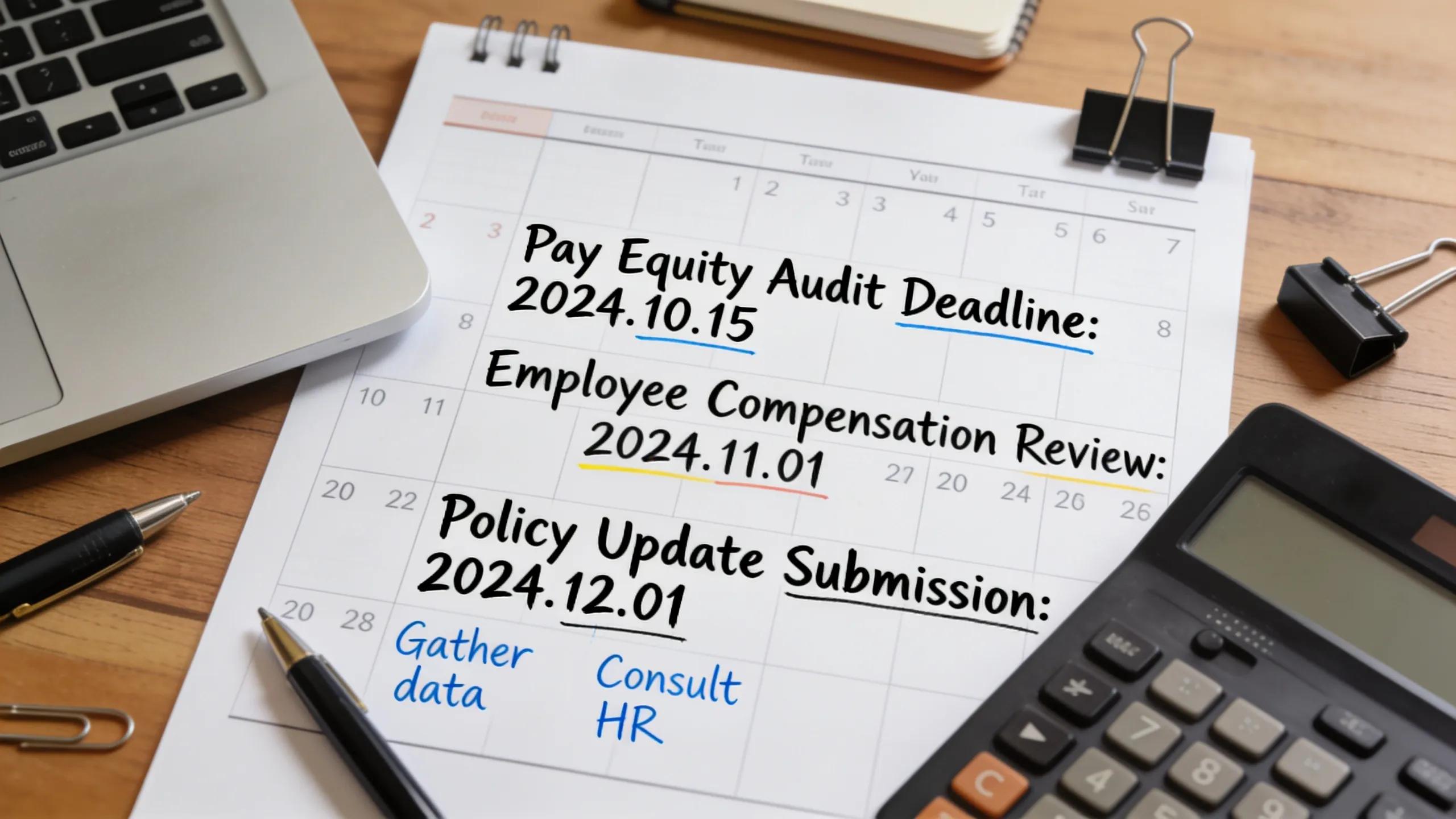
Compliance with pay equity regulations requires a systematic approach. Consider these practical, actionable steps:
- Conduct Regular Pay Audits: Periodically reviewing salaries and bonuses ensures alignment with pay equity standards.
- Implement Transparent Pay Structures: Clear communication of pay scales helps foster trust and accountability within the workforce.
- Train HR Personnel on Compliance: Equipping HR teams with knowledge about legal pay equity requirements supports consistent enforcement and adherence.
Adopting these measures reinforces compliance and promotes workplace fairness.
What Is Pay Equity Analysis and Why Is It Essential for Your Business?
Pay equity analysis assesses wage structures to ensure fairness across job roles and employee demographics. It identifies disparities that may stem from discriminatory practices. This analysis is essential for businesses seeking to retain talent and demonstrate social responsibility. By conducting pay equity analysis, organizations can reduce legal risk and foster an inclusive corporate culture.
What Are the Risks of Ignoring Pay Equity in the Workplace?
Failing to address pay equity can produce significant consequences:
- Legal Implications: Non-compliance with federal and state regulations can result in costly lawsuits.
- Employee Morale and Turnover: Perceived inequities in pay can diminish employee morale, leading to increased turnover rates.
- Brand Reputation Risks: Negative public perception can arise from pay discrimination allegations, ultimately harming an organization’s reputation.
Recognizing these risks helps businesses mitigate potential fallout from inequitable pay practices.
Which Key Federal and State Laws Govern Pay Equity Compliance?
Awareness of applicable pay equity laws is essential for compliance. Key regulations include:
- Equal Pay Act: This federal law mandates that men and women receive equal pay for equal work in the same establishment.
- EEOC Guidelines: The Equal Employment Opportunity Commission provides guidance on implementing equitable pay practices across employee classifications.
- State-Specific Laws: Different states may impose additional requirements relating to pay equity, necessitating awareness of local regulations.
Keeping current with these laws reduces legal exposure and supports compliance.
How Do the Equal Pay Act and EEOC Guidelines Impact Your Payroll Policies?
The Equal Pay Act and EEOC guidance establish standards for equitable compensation that shape payroll policies. Employers should ensure hiring, promotion, and compensation practices are free from gender bias, conduct regular reviews of pay structures, and apply standardized criteria when defining remuneration packages. Failure to comply can lead to penalties and reputational damage.
What Are the Important State-Specific Pay Equity Regulations to Know?
State regulations vary and can increase compliance complexity. Important considerations include:
- Variability Between States: Laws differ in terms of coverage, with some states requiring pay transparency and reporting.
- Key Examples of Regulations: States like California have stringent rules against pay secrecy and demand proactive measures for equity audits.
- Resources for Compliance: Organizations can leverage state labor departments and legal counsel for guidance on navigating these laws effectively.
Proactive awareness of these regulations helps organizations design compliant processes and reduce legal exposure.
How to Conduct a Thorough Pay Equity Audit: Step-by-Step Process
A pay equity audit requires a systematic review to identify and correct compensation disparities. Key steps include:
- Define Audit Scope: Establish parameters, including which roles and employee groups will be analyzed.
- Collect Data: Gather comprehensive compensation data, including salaries, bonuses, and demographic information.
- Analyze Results: Use statistical analysis to reveal pay gaps while considering relevant job-related factors.
- Take Corrective Actions: Identify and implement necessary adjustments to rectify identified disparities.
Following this audit process ensures a thorough review and supports fair compensation practices.
What Data and Job Analysis Are Required for Effective Wage Disparity Audits?
Effective wage audits rely on comprehensive, relevant data. Key requirements include:
- Key Data Points: Salary figures, benefits, titles, and job descriptions must be accurately recorded.
- Job Analysis Techniques: Employ standardized criteria or frameworks for assessing job roles’ complexity.
- Sources for Obtaining Data: Utilize internal HR systems and external compensation benchmarking resources.
Accurate and relevant data strengthens the audit and supports credible findings.
What Steps Should Businesses Take to Rectify Pay Disparities and Implement Fair Compensation?
When disparities are identified, businesses should act decisively. Recommended steps include:
- Develop Rectification Strategies: Implement a plan for salary adjustments that address discrepancies.
- Implement Fair Compensation: Update pay structures to ensure ongoing compliance with pay equity principles.
- Communicate Changes to Employees: Transparency surrounding pay adjustments fosters trust and understanding among the workforce.
Taking clear corrective action enhances organizational integrity.
Why Choose Outsourced HR Solutions for Pay Equity Compliance and Analysis?
Outsourcing HR can deliver several benefits for managing pay equity compliance:
- Cost Efficiency: Leveraging external expertise can reduce operational costs associated with compliance.
- Expert Guidance: Outsourced HR firms offer specialized knowledge in compliance management, ensuring thorough adherence to legal requirements.
- Proactive Compliance Management: Outsourcing allows for ongoing monitoring, mitigating risks before they escalate.
Outsourced HR enables organizations to strengthen compliance efforts while allowing internal teams to focus on strategic priorities.
How Does Partnering With Denali HR Reduce Risk and Streamline Compliance?
Partnering with Denali HR gives organizations a reliable way to manage pay equity effectively:
- Expertise in Compliance: Denali HR specializes in navigating the intricacies of pay equity regulations.
- Cost Savings: Outsourcing to Denali HR can lead to significant cost reductions associated with HR manpower.
- Efficiency in Payroll and HR Tasks: Streamlining processes through Denali HR enables organizations to focus on their core business operations.
Denali HR’s services help organizations maintain compliant and equitable pay practices.
What Is the Cost-Benefit of Outsourced Pay Equity Services for Small and Medium Businesses?
Assessing the cost-benefit of outsourced pay equity services is critical for budgeting and resource allocation:
- Cost Savings vs. Potential Compliance Risks: Investing in outsourced services mitigates the risk of incurring costs related to non-compliance.
- Long-Term Benefits of Outsourcing: Establishing steady compliance not only enhances the workplace environment but also reduces turnover.
- Budget Considerations for Small Businesses: Appropriately allocating resources for outsourced services can yield substantial returns in labor satisfaction and legal protection.
This analysis highlights the value of outsourcing for maintaining equitable workplace practices.
How Does Pay Transparency Influence Employee Engagement and Regulatory Compliance?
Pay transparency supports stronger employee engagement and regulatory alignment:
- Benefits of Transparency for Employees: Clear communication regarding pay structures fosters trust and commitment among workers.
- Implications for Retention: Transparency diminishes pay-related grievances, enhancing employee retention rates.
- Regulatory Requirements: Many jurisdictions now mandate transparency regarding pay practices as part of their compliance framework.
Adopting pay transparency boosts employee satisfaction and aligns organizational practices with regulatory expectations.
Frequently Asked Questions
What Are the Most Common Sources of Pay Disparities in Organizations?
Pay disparities commonly arise from unequal pay linked to gender or ethnicity, differences in negotiation outcomes, unaccounted variations in experience or qualifications, and systemic biases in hiring or promotion. Identifying these sources is essential to address and correct inequities effectively.
How Can Employees Report Pay Inequities in Their Workplace?
Employees should raise concerns with their supervisor or HR representative and prepare documented evidence comparing their compensation to peers. Many organizations offer formal or anonymous reporting channels. Encouraging transparent dialogue and following internal procedures helps address pay concerns constructively.
What Are the Long-Term Benefits of Maintaining Pay Equity?
Sustaining pay equity improves morale and job satisfaction, reduces turnover costs, and attracts talent—strengthening overall productivity. Consistent adherence to pay equity standards also lowers legal risk and supports a stable public reputation.
How Often Should Employers Conduct Pay Equity Audits?
Employers should conduct pay equity audits at least annually and increase the frequency during major organizational changes, such as mergers or shifts in workforce demographics. Regular audits enable proactive identification and resolution of inequities.
What Role Do Diversity and Inclusion Play in Pay Equity?
Diversity and inclusion are fundamental to achieving pay equity. Diverse perspectives improve decision-making, while inclusion ensures all voices inform pay policies. A culture that values diversity helps identify and correct disparities and enhances engagement and productivity.
Can Technology Help in Achieving Pay Equity?
Technology supports pay equity through HR analytics that analyze compensation data, identify inequities, and monitor pay practices over time. Software can streamline audits and reporting, enabling data-driven decisions to promote equitable pay.
About the Author
This article was reviewed by Josh Henderson, Founder of Denali HR. Denali HR, based in Salt Lake City, Utah, provides payroll services, employee benefits administration, HR support, and risk management solutions for small and mid-sized businesses. Founded in 2019, the company focuses on delivering personalized HR support without the complexity of large PEO providers.