

Outsourcing HR vs In-House HR: Costs & Benefits
By Josh Henderson, Denali HR
In the evolving landscape of business management, the decision between outsourcing HR services and maintaining an in-house HR team is pivotal for small to mid-sized businesses. This article delves into the financial implications, advantages, and disadvantages of both approaches, providing a comprehensive comparison to help business owners make informed decisions. Readers will learn about the cost structures associated with in-house HR teams versus outsourced HR services, the benefits and drawbacks of each option, and how these choices impact organizational efficiency and employee satisfaction. As businesses strive to optimize their operations, understanding these dynamics is crucial for effective workforce management. The discussion will cover financial implications, advantages and disadvantages, and the overall effects on organizational efficiency and employee satisfaction.
Financial Implications

When evaluating the financial implications of HR management, it is essential to consider the direct costs associated with both in-house HR teams and outsourced HR services. The cost structures can significantly influence a company’s budget and operational efficiency.
In-House HR Costs:
Maintaining an in-house HR team involves several fixed and variable costs that can accumulate over time. Key components of these costs include:
- Salaries and Benefits: The most significant expense is typically the salaries of HR personnel, which can vary based on experience and location. Additionally, benefits such as health insurance, retirement contributions, and paid time off further increase overall costs.
- Software and Compliance Costs: In-house teams often require specialized HR software for payroll, compliance, and employee management, which can be a substantial investment. Regular updates and maintenance of these systems also incur ongoing expenses.
- Training and Development Expenses: Continuous training is necessary to keep HR staff updated on compliance regulations and best practices, adding to the overall cost of maintaining an in-house team.
PEO Services Costs:
Professional Employer Organizations (PEOs) offer a different cost structure that can be more predictable and potentially lower than in-house HR. The costs associated with PEO services typically include:
- Service Fees per Employee: PEOs charge a fee based on the number of employees, which can simplify budgeting and provide clarity on HR expenses.
- Bundled Payroll and HR Support: Many PEOs offer bundled services that include payroll processing, compliance management, and employee benefits, often at a lower rate than purchasing these services separately.
- Indirect Cost Reductions: By outsourcing HR functions, businesses may reduce indirect costs associated with employee turnover and compliance penalties, leading to overall savings.
This comparison highlights the potential for cost savings when opting for PEO services, making them an attractive option for many businesses.
Advantages and Disadvantages
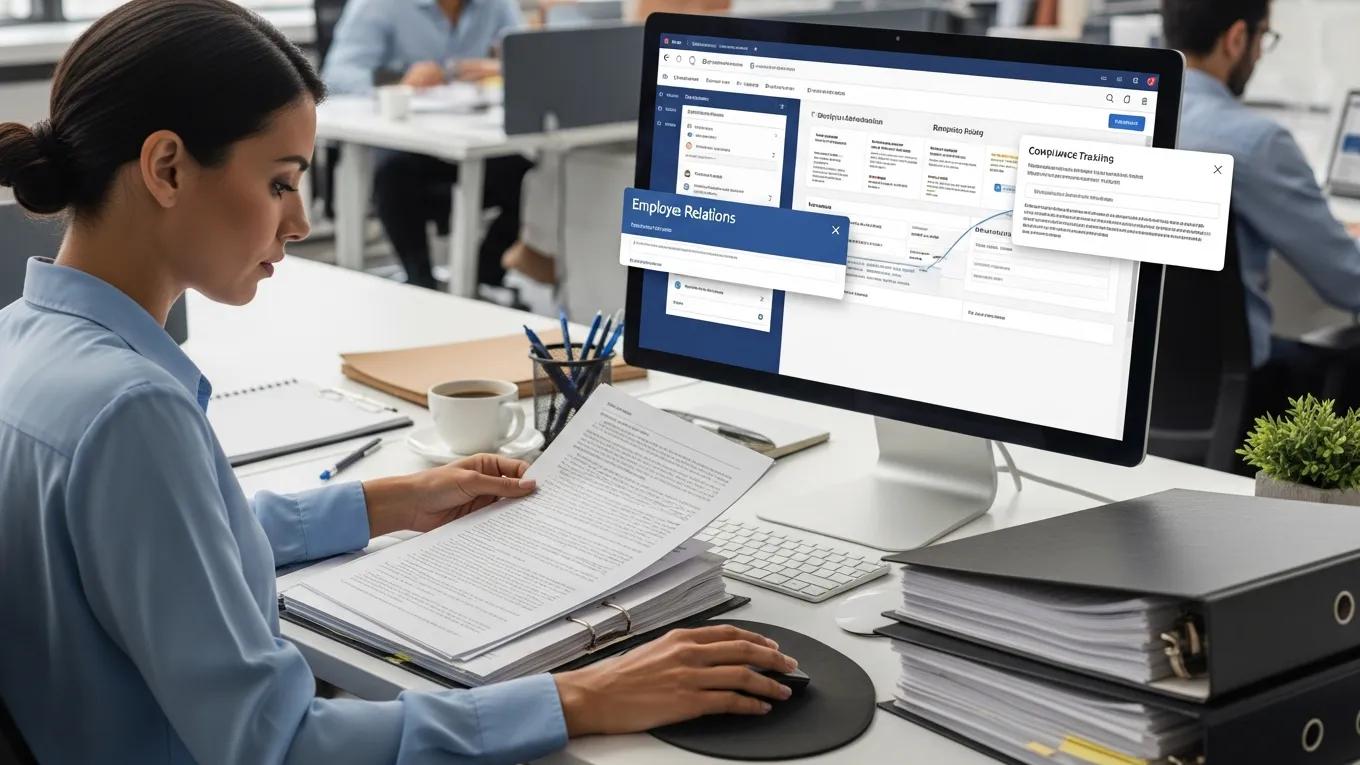
Understanding the advantages and disadvantages of both in-house HR and PEO services is crucial for making an informed decision.
In-House HR:
The primary benefits of maintaining an in-house HR team include:
- Full Control Over HR Processes: Businesses have complete oversight of their HR functions, allowing for tailored strategies that align with company culture and goals.
- Customization: In-house teams can develop customized policies and procedures that reflect the unique needs of the organization.
However, there are notable drawbacks:
- Higher Administrative Workload: In-house HR teams often face a heavier administrative burden, which can detract from strategic initiatives.
- Limited Expertise: Smaller teams may lack the specialized knowledge required to navigate complex HR issues effectively.
PEO Services:
PEOs offer several advantages, including:
- Structured HR Systems: PEOs provide established HR frameworks that can enhance compliance and efficiency.
- Access to Expertise: Businesses benefit from the collective expertise of the PEO, which can be particularly valuable for navigating complex regulations.
On the downside:
- Less Direct Control Over Processes: Companies may have to relinquish some control over HR functions, which can be challenging for those accustomed to managing these processes internally.
- Potential for Misalignment: The PEO’s approach may not always align perfectly with the company’s culture or specific needs.
Overall Effects on Organizational Efficiency and Employee Satisfaction
The choice between in-house HR and PEO services can significantly impact organizational efficiency and employee satisfaction.
In-House HR:
In-house HR teams can enhance efficiency through direct communication and tailored solutions. However, manual processes may lead to inefficiencies, such as delays in payroll processing or compliance reporting. These inefficiencies can negatively affect employee satisfaction, as staff may experience frustration with HR-related issues.
PEO Services:
PEO services often improve payroll accuracy and compliance, leading to higher employee satisfaction. By streamlining HR processes, PEOs can reduce administrative burdens on employees, allowing them to focus on their core responsibilities. Additionally, the benefits offered through PEOs, such as health insurance and retirement plans, can enhance employee morale and retention.
Conclusion
In summary, the decision to outsource HR services or maintain an in-house HR team involves careful consideration of financial implications, advantages, and disadvantages. While in-house HR offers control and customization, PEO services provide cost-effective solutions and access to expertise. As businesses navigate these choices, understanding the impact on organizational efficiency and employee satisfaction is essential for long-term success.
What Are the Key Cost Components of Outsourced HR Services and In-House HR Teams?
The key cost components of outsourced HR services and in-house HR teams include salaries, benefits, software costs, and training expenses. Outsourced HR services typically involve service fees per employee and bundled service offerings, which can lead to cost savings.
How Do Outsourced HR Pricing Models Affect Small Business Budgets?
Outsourced HR pricing models, such as per-employee fees, provide small businesses with predictable budgeting. This predictability allows for better financial planning and can reduce the risk of unexpected HR-related expenses.
What Hidden Expenses Are Associated with Maintaining an In-House HR Team?
Hidden expenses of maintaining an in-house HR team can include costs related to employee turnover, compliance penalties, and the need for ongoing training and development. These costs can accumulate and impact the overall budget significantly.
How Does Outsourcing HR Services Reduce Compliance Risks Compared to In-House Teams?
Outsourcing HR services to a PEO can reduce compliance risks by leveraging the PEO’s expertise in navigating complex regulations. PEOs often have dedicated compliance teams that stay updated on changes in labor laws, ensuring that businesses remain compliant.
What Compliance Benefits Do Outsourced HR Providers Offer?
Outsourced HR providers offer compliance benefits such as access to legal expertise, regular updates on regulatory changes, and comprehensive training programs for employees. These resources help businesses mitigate risks associated with non-compliance.
What Are the Common Compliance Challenges Faced by In-House HR Teams?
Common compliance challenges faced by in-house HR teams include staying updated on changing labor laws, managing employee documentation, and ensuring proper training on compliance issues. These challenges can lead to potential legal risks if not managed effectively.
In What Ways Does Payroll and Onboarding Support Differ Between Outsourced and In-House HR?
Payroll and onboarding support differ significantly between outsourced and in-house HR. Outsourced HR services often provide automated payroll processing and streamlined onboarding procedures, while in-house teams may rely on manual processes that can be time-consuming and prone to errors.
How Does Payroll Outsourcing Improve Accuracy and Efficiency?
Payroll outsourcing improves accuracy and efficiency by utilizing specialized software and experienced professionals who ensure compliance with tax regulations and timely processing. This reduces the likelihood of errors and enhances overall payroll management.
What Onboarding Processes Are Streamlined Through HR Outsourcing?
HR outsourcing streamlines onboarding processes by providing standardized procedures, automated documentation, and access to training resources. This efficiency allows new employees to integrate into the company more quickly and effectively.
How Do Scalability and Workforce Management Compare Between Outsourced HR and In-House Teams?
Scalability and workforce management differ between outsourced HR and in-house teams. Outsourced HR services can quickly adapt to changing workforce needs, while in-house teams may struggle to scale operations efficiently due to resource limitations.
What Makes Outsourced HR Services More Adaptable for Growing Businesses?
Outsourced HR services are more adaptable for growing businesses due to their ability to provide flexible solutions that can scale with the organization. PEOs can quickly adjust service offerings to meet the evolving needs of a growing workforce.
What Limitations Do In-House HR Teams Face in Workforce Scalability?
In-house HR teams often face limitations in workforce scalability due to fixed resources and the need for additional hiring during periods of growth. This can lead to delays in hiring and onboarding processes, impacting overall business performance.
Why Is Denali HR a Trusted Partner for Cost-Effective Outsourced HR Solutions?
Denali HR specializes in providing cost-effective outsourced HR solutions tailored for small to mid-sized businesses. Their expertise in compliance support, workforce management, and payroll systems ensures that clients receive comprehensive HR services that align with their business goals.
How Does Denali HR Reduce Administrative Burden and Enhance Compliance?
Denali HR reduces administrative burdens by offering streamlined HR processes and expert compliance support. Their services allow businesses to focus on core operations while ensuring that HR functions are managed efficiently and in compliance with regulations.
What Client Success Stories Demonstrate Denali HR’s Cost Savings and Efficiency?
Denali HR has numerous client success stories showcasing significant cost savings and efficiency improvements. By partnering with Denali HR, businesses have reported reduced HR-related expenses and enhanced employee satisfaction through improved HR services.
About the Author
This article was reviewed by Josh Henderson, Founder of Denali HR. Denali HR, based in Salt Lake City, Utah, provides payroll services, employee benefits administration, HR support, and risk management solutions for small and mid-sized businesses. Founded in 2019, the company focuses on delivering personalized HR support without the complexity of large PEO providers.