

Essential HR Policy Templates for SMBs: A Compliance Guide
By Josh Henderson, Denali HR
Small and mid-sized businesses face unique challenges when developing HR policies. Clear, well-structured HR policy templates help ensure regulatory compliance, reduce operational risk, and support consistent workforce management. This guide outlines the essential policies, key compliance considerations, and how standardized templates enhance organizational effectiveness and employee engagement as a business grows.
What Are the Key HR Policies Every Small Business Needs?
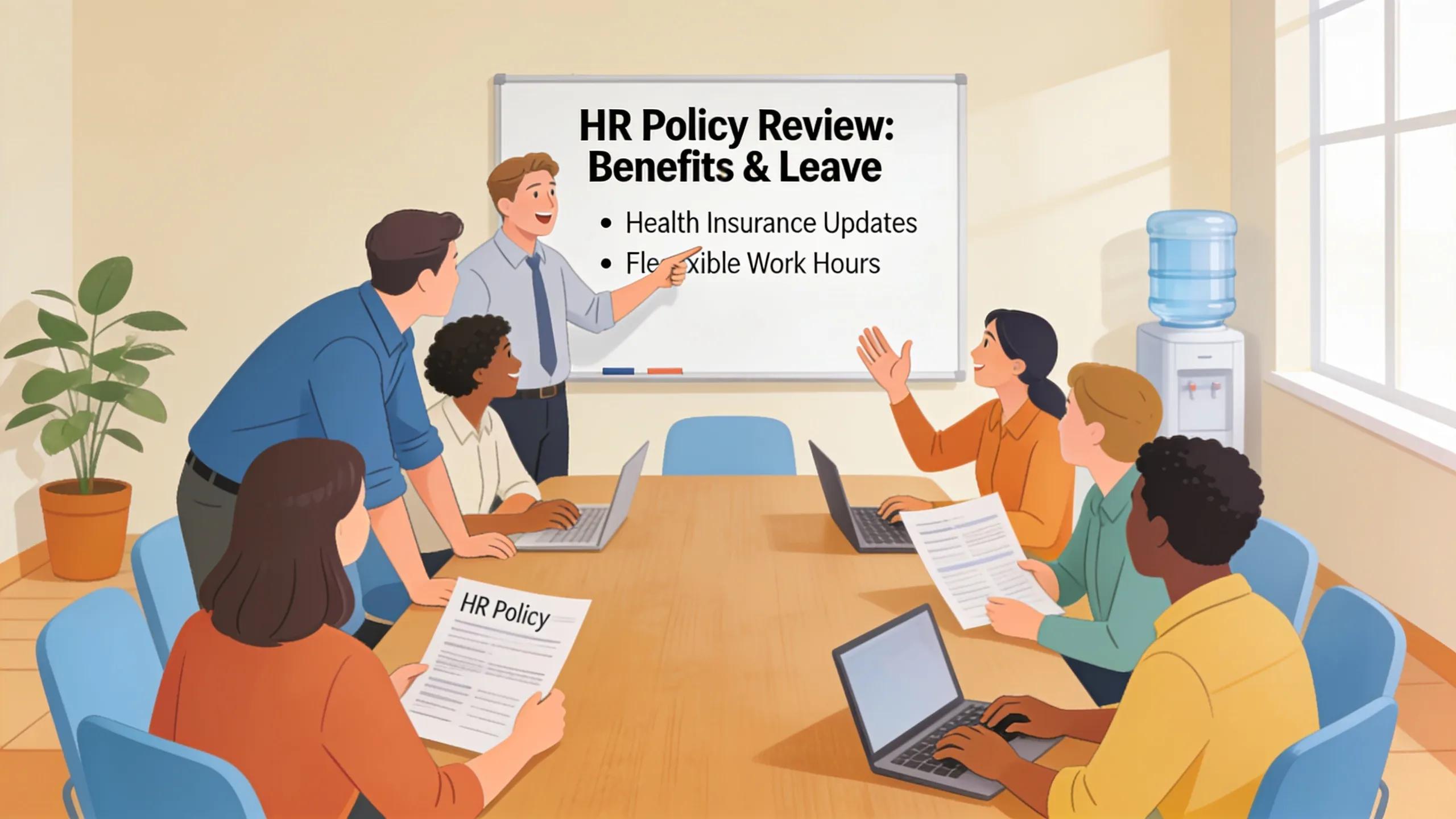
Core HR policies should address conduct, safety, benefits administration, and disciplinary procedures. These documents set expectations for behavior, outline operational processes, and provide a reference point for consistent decision-making.
Maintaining and regularly updating these templates supports legal compliance and promotes a professional workplace culture. Prioritizing key policies creates a strong foundation for structured workforce management and improved employee engagement.
Which Compliance Standards Must SMBs Meet?

Compliance is critical for small businesses. Common legal standards include federal and state labor laws that govern wage and hour rules, workplace safety, family and medical leave entitlements, and anti-discrimination requirements.
- Fair Labor Standards Act (FLSA): Governs minimum wage, overtime pay, and child labor.
- Occupational Safety and Health Administration (OSHA): Sets and enforces workplace safety and health regulations.
- Family and Medical Leave Act (FMLA): Provides eligible employees with the right to take unpaid, job-protected leave for certain family and medical reasons.
- Equal Employment Opportunity (EEO): Prohibits employment discrimination based on race, color, religion, sex, or national origin.
Understanding these standards reduces legal exposure and supports an inclusive workplace. Engaging HR professionals or using comprehensive HR tools can streamline compliance efforts and help ensure that policies reflect current legal requirements.
How Does an Employee Handbook Template Support SMB Operations?
An employee handbook centralizes company policies, expectations, and benefits in a single reference document. It clarifies employee rights and responsibilities and provides consistent guidance across the organization.
A carefully drafted handbook improves operational efficiency by reducing ambiguity and standardizing procedures for conduct, performance management, and grievance reporting. Regular updates ensure the handbook stays aligned with legal changes and organizational practices.
How Can SMBs Use Sample HR Policy Templates to Reduce Legal and Operational Risks?
Sample HR policy templates provide a structured format to ensure that essential elements—such as recruitment standards, disciplinary procedures, and employee classifications—are addressed consistently.
Standardized templates promote consistency across teams, save administrative time, and reduce miscommunication. Adapting templates to the specific business context and reviewing them periodically helps maintain legal compliance and supports a fair, transparent workplace culture.
What Are the Best Practices for Implementing Disciplinary Policy Templates?
Implementing disciplinary policies requires clear procedures that ensure fairness and legal compliance. Effective templates define process steps, required documentation, and the roles involved.
- Consistency: Apply the same policies to all employees to reduce the potential for claims of unfair treatment.
- Clarity: Clearly define unacceptable behaviors and the corresponding consequences so expectations are easy to understand.
- Documentation: Maintain comprehensive records of disciplinary actions to support transparency and accountability.
Involving employees in policy development and providing implementation training increases acceptance and compliance. Clear communication and consistent application foster a respectful, proactive workplace.
How Do HR Compliance Checklists Ensure Ongoing Risk Mitigation?
HR compliance checklists provide a practical framework for regularly evaluating policies and legal requirements. They help identify gaps and prioritize corrective actions.
Typical checklist items include:
- Regular audits of employee files
- Reviews of wage and hour practices
- Assessments of workplace safety protocols
Routine use of checklists promotes accountability and enables timely remediation of issues, thereby reducing legal exposure and supporting continuous improvement.
What Workplace Policy Examples Are Essential for SMB Employee Relations?
Well-crafted workplace policies strengthen employee relations by setting clear, transparent expectations. Core examples include attendance and punctuality standards, anti-harassment and anti-discrimination rules, and remote work guidelines.
- Attendance and Punctuality: Outlines expectations around attendance and provides processes for reporting absences.
- Harassment and Discrimination: Establishes a zero-tolerance stance on harassment and discrimination of any kind.
- Remote Work: Details standards for employees working from home, including communication, availability, and productivity expectations.
Clear policies foster respect and professionalism, which improve morale and retention and contribute to a constructive organizational culture.
Which Policies Facilitate Effective Onboarding and Offboarding?
Effective onboarding policies should cover orientation schedules, training plans, and introductions to company values and culture to accelerate new-hire productivity and engagement.
- Orientation schedules
- Training plans
- Introduction to company culture, values, and expectations
Offboarding policies should define exit interview procedures, the return of company property, and final pay processing. Clear onboarding and offboarding protocols create smooth transitions and help preserve organizational knowledge and reputation.
How Do Payroll and Benefits Policies Improve Workforce Management?
Payroll and benefits policies define how compensation is calculated, delivered, and adjusted, and set expectations for benefits administration. These policies support predictable, lawful compensation practices.
- Timely Payments: Ensures employees receive their compensation accurately and when expected.
- Benefits Administration: Clarifies benefits offerings, including health insurance, retirement plans, and paid time off.
Transparent payroll and benefits procedures improve employee satisfaction and reduce turnover by establishing trust and clear expectations.
Denali HR operates as a trusted outsourced HR partner providing comprehensive HR solutions tailored for SMBs, which can further streamline payroll and benefits administration.
Why Should SMBs Consider Outsourced HR Services for Policy Integration and Support?
Outsourced HR services provide the expertise and operational capacity required to integrate policies effectively. They help businesses apply consistent standards while freeing internal resources for strategic priorities.
Benefits include:
- Cost Efficiency: Reduces the labor costs associated with maintaining a full in-house HR team.
- Access to Expertise: Connects businesses with professionals skilled in navigating complex labor laws and compliance issues.
- Time Savings: Frees internal resources to focus on core business activities.
Partnering with an HR outsourcing provider can improve policy management and compliance and allows SMBs to leverage industry best practices and current guidance.
How Does Outsourced HR Help Maintain Policy Compliance Efficiently?
Outsourced HR teams maintain compliance through continuous monitoring of regulatory changes and by delivering targeted training and audits. Typical support includes:
- Providing expertise on current regulations
- Offering regular training sessions for employees and managers
- Conducting audits to ensure adherence to policies
Leveraging outsourced HR allows organizations to concentrate on growth while ensuring that policies remain current and are applied consistently.
What Are the Advantages of Scalable HR Documentation Solutions?
Scalable documentation systems adapt as the business grows, helping manage increasing policy complexity without sacrificing consistency or control.
Benefits include:
- Flexibility: Scalable solutions expand with the business, accommodating new policies and regulations.
- Consistency: Standardized documentation ensures that all employees receive the same accurate information.
- Efficiency: Streamlined processes reduce administrative burden, allowing more focus on strategic initiatives.
Investing in scalable HR documentation reduces overhead and positions SMBs to respond efficiently to workforce and regulatory changes.
How Can SMBs Keep HR Policy Templates Current with Changing Legislation?
Keeping policy templates current requires structured review cycles, continuous learning, and access to subject-matter expertise to interpret legal changes.
Best practices include:
- Regular Reviews: Schedule routine policy reviews—at least annually—to confirm alignment with the latest legal standards.
- Continuous Education: Attend seminars, webinars, or training sessions to stay informed about legal updates affecting the workforce.
- Engaging Experts: Collaborate with HR professionals or consultants who can provide up-to-date insights and recommendations.
Proactive monitoring and expert collaboration protect the organization and reinforce a culture that values compliance and integrity.
What Tools Enable Continuous Monitoring of HR Compliance Updates?
Several tools support ongoing monitoring of compliance and legislative updates, including HR platforms, specialized compliance software, and advisory services.
- HR Management Systems (HRMS): Automate tracking of employee data, certifications, and compliance requirements.
- Compliance Software: Provides real-time alerts and guidance on changes in workplace regulations.
- Consultation Services: Connect businesses with legal and HR experts who can offer proactive advice.
These tools improve visibility into compliance obligations and help ensure timely responses to regulatory changes, reducing operational risk.
How Should SMBs Adapt Policies for Emerging Workforce Trends Like Remote Work?
Emerging trends such as remote and hybrid work require targeted policy updates that address working hours, communication norms, data security, and employee well-being.
- Remote Work Policy: Establish guidelines for work hours, communication expectations, performance standards, and equipment provision.
- Data Security Measures: Implement protocols to protect sensitive company information accessed remotely, including secure networks and device controls.
- Mental Health Support: Provide resources and programs that support the mental well-being of remote and hybrid employees.
Updating policies to reflect remote work practices ensures compliance, protects company data, and supports employee engagement and productivity.
Frequently Asked Questions
What Role Do Training Programs Play in HR Compliance?
Training programs ensure employees understand policies and legal obligations. Regular, role-specific training clarifies expectations, reduces the likelihood of violations, and supports consistent policy application as laws evolve.
How Can Technology Enhance HR Policy Management for SMBs?
Technology streamlines policy distribution, version control, and acknowledgment tracking. Cloud-based HR systems enable quick updates and centralized access to documents, improving transparency and ease of administration.
Which HR Metrics Should SMBs Monitor for Policy Compliance?
Key metrics include turnover, recorded policy violations, completion rates for compliance training, and employee feedback on policy clarity. Monitoring these indicators highlights areas for training or policy revision and supports data-driven decision-making.
What Challenges Do SMBs Face in Updating HR Policies?
Common challenges include limited internal resources, lack of specialized expertise, and resistance to change. Engaging external consultants or outsourced HR providers can help close these gaps and support thorough, timely updates.
How Often Should SMBs Review Their HR Policies?
SMBs should review policies at least annually and whenever significant legal or organizational changes occur. Regular reviews ensure policies remain relevant, compliant, and effective in practice.
What Types of HR Policies Are Critical for Remote Teams?
For remote teams, essential policies cover communication standards, secure workspace practices, productivity expectations, data security, and mental health support. Clear guidance helps remote employees perform securely, collaboratively, and effectively.
What Are the Benefits of Regularly Updating Employee Handbooks?
Regularly updating employee handbooks clarifies current policies, reduces legal risk, and signals a commitment to transparency. Current handbooks help ensure employees understand expectations and support a compliant, high-trust workplace culture.
About the Author
This article was reviewed by Josh Henderson, Founder of Denali HR. Denali HR, based in Salt Lake City, Utah, provides payroll services, employee benefits administration, HR support, and risk management solutions for small and mid-sized businesses. Founded in 2019, the company focuses on delivering personalized HR support without the complexity of large PEO providers.