

Navigating Compliant Employee Termination Procedures
By Josh Henderson, Denali HR
Employee termination involves complex legal and operational steps. Employers must follow established procedures to remain compliant, reduce the risk of wrongful termination claims, and protect organizational interests. This guide outlines termination types, required documentation, and final pay obligations so employers can manage separations with professionalism, preserve employee dignity, and limit legal exposure.
The article covers termination procedures, final pay rules, legal considerations, compliance best practices, benefits continuation, and practical resources. Readers will gain clear guidance for implementing compliant, effective separation practices that align with sound human resource management.
Employee Termination Procedures
Termination procedures are the structured steps used to end employment lawfully and professionally. When followed correctly, these steps reduce misunderstandings and legal risk. Employers should distinguish between voluntary and involuntary terminations: voluntary when an employee resigns or retires, and involuntary when the employer ends employment due to performance issues, policy breaches, or organizational changes.
Each type of separation requires tailored processes, including thorough documentation and, when appropriate, exit interviews to ensure an orderly transition. Attention to process protects the organization and signals to remaining staff that separations are managed with care and consistency.
Types of Termination
Recognizing termination types helps determine the appropriate response. Voluntary separations often arise from personal decisions such as relocation or career changes and typically proceed with minimal disruption. Involuntary separations carry greater legal and reputational implications and generally require documented performance management, opportunities for improvement, and formal review before final decisions.
Clear differentiation informs the procedures and records required for each case and underscores the need for thorough preparation throughout the separation process.
Documentation
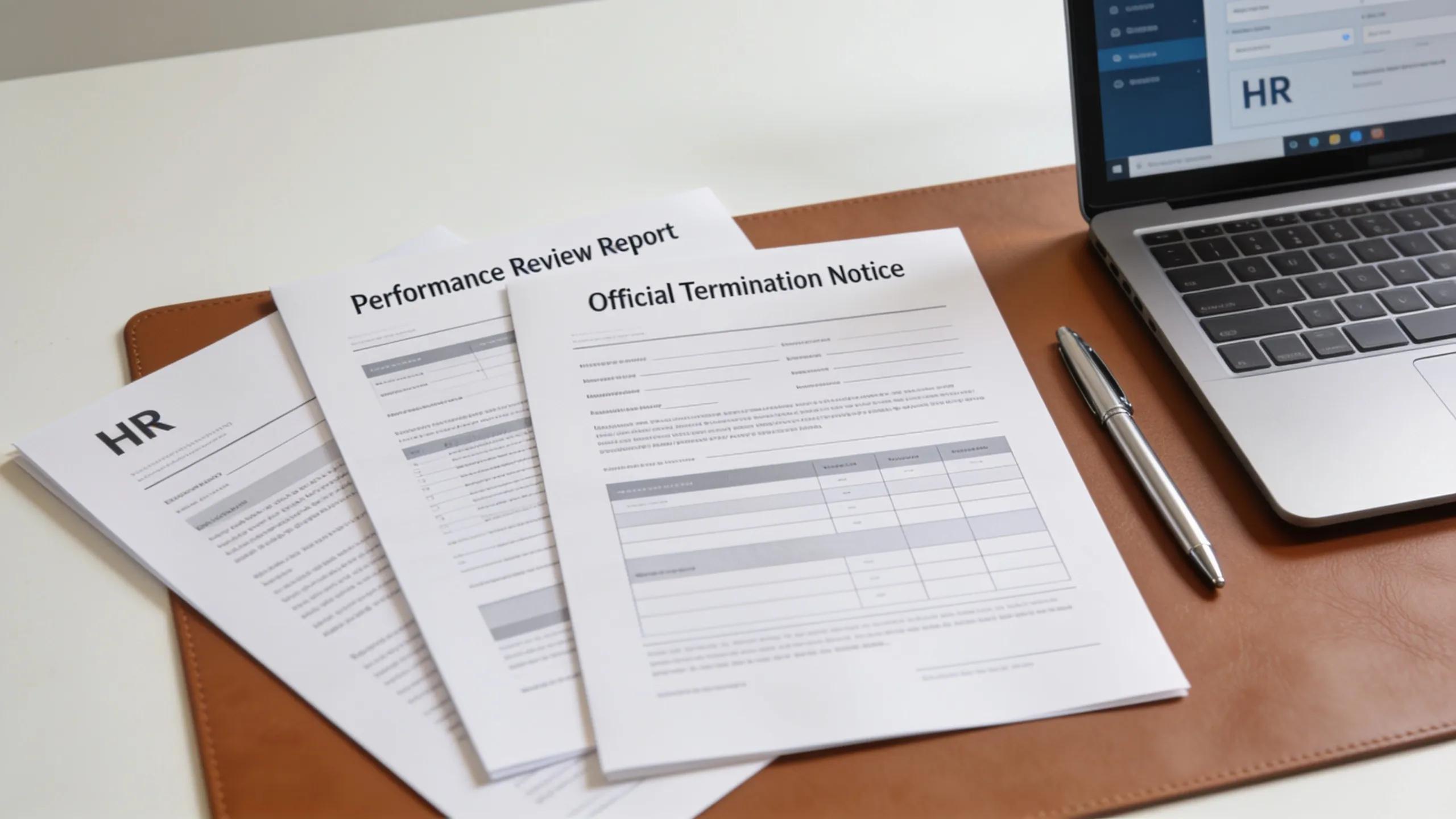
Comprehensive documentation is essential during any termination. Records such as performance evaluations, disciplinary notes, and written communications clarify the circumstances and rationale for separation and protect both the employer and the employee.
Well-maintained records provide evidence that the organization followed established policies and procedures, reducing the likelihood of wrongful termination claims and supporting a defensible decision-making process.
Final Pay Requirements
Final pay obligations are a statutory element of separation and vary by state. Employers must understand what constitutes final compensation, the timing of payment, and which deductions are lawful to ensure compliance and avoid penalties.
Familiarity with state-specific laws is necessary to meet obligations and prevent administrative sanctions or disputes related to final pay.
State-Specific Regulations
Final pay laws differ across states. Some states require immediate payment upon termination, while others permit a brief processing period. Employers must be aware that non-compliance can result in penalties and legal claims.
Strict adherence to state requirements ensures departing employees receive appropriate, timely compensation and helps limit employer liability.
Components of Final Pay

Final pay typically includes the employee’s accrued wages plus any earned but unused vacation or paid time off. Where applicable, employers should also include bonuses or commissions in the final payment. Clear communication about these components helps prevent disputes.
Accurate calculation and transparent explanation of final pay elements support legal compliance and contribute to a fair separation experience.
Timing of Payment
The timing of the final paycheck impacts a former employee’s financial stability and carries legal significance. Employers must comply with statutory deadlines for issuing final pay and ensure payroll processes meet these timelines.
Establishing reliable internal procedures for final pay issuance helps maintain compliance with local laws and provides departing employees with timely compensation.
Legal Considerations
Understanding the legal framework governing termination is critical to protecting the organization. Employers must comply with wage laws and related regulations to avoid disputes and financial penalties.
In addition to wage laws, employers should be clear on permissible deductions and have efficient dispute-resolution practices. Proper legal awareness reduces litigation risks and helps preserve the organization’s reputation.
Compliance Risks
Termination presents several compliance risks, especially concerning wage statutes. Failure to pay earned wages or follow lawful procedures can lead to significant financial penalties and litigation, with damages potentially exceeding the original amount owed.
Non-compliance also damages the organization’s reputation and employee trust. Consistent adherence to labor laws and fair practices is essential to mitigate these risks.
Permissible Deductions
Employers must apply only lawful deductions to final pay. Typical permissible deductions include taxes, retirement contributions, and certain benefits, but rules vary by jurisdiction. Employers should verify applicable laws before making any deductions.
Clear understanding of legal boundaries ensures deductions are handled correctly and reduces the risk of disputes or penalties.
Handling Wage Disputes
Employers should maintain transparent policies for resolving wage disputes. Communicating the basis for final pay calculations and any deductions helps address questions promptly.
Keeping detailed records of all communications and agreements related to wage disputes provides a factual basis for resolution and protects the organization if issues escalate.
Best Practices for Compliance
Implementing proven practices within HR operations supports compliance and reduces risks during separations. These measures protect both the employer and the departing employee.
Key practices include accurate record-keeping, regular audits of employment processes, and clear employee communication. Integrating these measures into organizational routines strengthens compliance management.
Accurate Record-Keeping
Maintaining accurate records is the foundation of compliance. Keeping up-to-date documentation—such as performance evaluations, attendance logs, and disciplinary records—provides evidence in any employment dispute.
Standardized procedures for documentation, along with periodic reviews of records, help identify discrepancies early and support an efficient termination process.
Regular Audits
Conducting regular audits of employment practices enables employers to detect and correct compliance gaps before they become legal issues. Audits provide a systematic way to monitor adherence to labor laws and internal policies.
Focusing audits on termination procedures and wage compliance demonstrates a proactive approach and helps maintain operational integrity.
Clear Communication
Clear, consistent communication is essential during separations. Employers should ensure departing employees understand their rights, the reasons for termination, and details about final pay and benefits.
Transparent communication fosters a respectful separation process, supports morale among remaining staff, and reduces the likelihood of disputes.
Benefits Continuation
Employers must address benefits continuation obligations following termination, including applicable federal requirements such as COBRA. Clear procedures are necessary to fulfill these responsibilities accurately.
Organizations should document policies for continuing health coverage and final benefits payments. Compliance with these obligations reduces legal exposure and helps maintain constructive relationships with former employees.
COBRA Compliance
Under COBRA, employers must notify eligible former employees of their right to continue health coverage within specified timeframes. Timely and accurate notifications are regulatory requirements.
Failure to comply can result in penalties or liability for retroactive coverage. Employers should implement defined procedures to ensure COBRA notices and enrollment information are handled correctly.
Final Benefits Payments
Final benefits payments often involve calculating accrued entitlements such as unused vacation. Employers should clearly state how these amounts are determined and what qualifies as payable compensation.
Consistent handling of final benefits payments helps prevent disputes and fosters perceptions of fairness among departing and remaining employees.
Resources for Employers
Employers can benefit from external resources to strengthen termination practices and compliance. Consulting specialists and accessing professional materials helps maintain up-to-date and legally sound processes.
Engaging HR and legal experts, as well as participating in professional networks, equips employers with current guidance on policy updates and regulatory changes.
Consulting Experts
Working with HR consultants provides practical expertise on termination procedures, compliance audits, and policy development. Consultants can assist with training and the implementation of consistent practices.
Employers should consider these resources to align internal strategies with legal requirements and contemporary HR standards.
Staying Informed
Continual learning about changes in employment law is essential for compliance. Attending industry workshops, joining HR forums, and subscribing to authoritative publications helps employers stay informed.
Employers who proactively monitor legal developments are better positioned to manage terminations competently and reduce the risk of non-compliance.
Frequently Asked Questions
1. What are the potential consequences of wrongful termination?
Wrongful termination can expose an employer to litigation, financial penalties, and reputational damage. Claims may allege discrimination or lack of just cause; if upheld, awards can exceed the original amount of unpaid wages. Additionally, such cases can undermine morale and trust among remaining staff. Adhering to lawful termination procedures mitigates these risks.
2. How can employers prepare for exit interviews?
Prepare a structured interview format with open-ended questions to collect useful feedback. Assure departing employees of confidentiality, and use a checklist covering work conditions, management, and suggestions for improvement to keep the discussion focused and productive.
3. What should be included in a termination letter?
A termination letter should state the reason for dismissal, the effective date, details about final pay and accrued benefits, and instructions for returning company property. It is also helpful to outline any rights regarding unemployment benefits and benefits continuation to maintain professionalism and clarity.
4. What are the best practices for preventing employee disputes during termination?
Prevent disputes by documenting performance issues, applying company policies consistently, and providing clear feedback before reaching termination. Use exit interviews to address outstanding concerns, and promote open communication throughout employment to resolve issues early.
5. How can employers ensure compliance with COBRA regulations?
Ensure COBRA compliance by maintaining a tracking process for terminated employees’ health benefits and issuing timely notifications about continuation rights. Provide clear information on enrollment deadlines and premiums, train HR staff on requirements, and review procedures regularly.
6. Are there specific laws governing final paychecks in different states?
Yes. State laws vary on timing and required components of final pay. Some states require immediate payment at termination, while others allow a processing period. Employers must know their state rules, including whether accrued vacation or PTO must be paid, to avoid fines or employee complaints.
7. What role do documentation and record-keeping play in the termination process?
Documentation and record-keeping provide the evidentiary basis for termination decisions and demonstrate compliance with policies and legal obligations. Accurate records—performance reviews, warnings, and correspondence—support fair decision-making and help defend against wrongful termination claims. A systematic approach to documentation ensures transparency and clarity during disputes.
About the Author
This article was reviewed by Josh Henderson, Founder of Denali HR. Denali HR, based in Salt Lake City, Utah, provides payroll services, employee benefits administration, HR support, and risk management solutions for small and mid-sized businesses. Founded in 2019, the company focuses on delivering personalized HR support without the complexity of large PEO providers.