

Employment Law Updates for SMBs: Essential Compliance and HR Strategies for 2026
By Josh Henderson, Denali HR
As the landscape of employment law continues to evolve, small and mid-sized businesses (SMBs) must stay informed about the latest updates to ensure compliance and mitigate risks. This article delves into the essential compliance requirements and HR strategies that SMBs need to adopt in 2026. Readers will learn about recent changes in employment law, documentation requirements, payroll compliance, and effective HR strategies that can help navigate these complexities. Understanding these elements is crucial for maintaining a compliant and efficient workplace, especially as new regulations emerge.
In this guide, we will explore the essential compliance requirements, effective HR strategies, and best practices for SMBs. We will also highlight the latest labor law changes that SMBs must be aware of in 2026, including federal and state-specific updates. By the end of this article, SMBs will have a comprehensive understanding of how to implement effective HR compliance and risk management strategies, ensuring they remain ahead of the curve in a rapidly changing legal environment.
Essential Compliance Requirements
Compliance with employment laws is critical for SMBs to avoid legal pitfalls and maintain a positive workplace culture. Understanding the multi-faceted nature of these laws, including federal and state regulations, is essential for effective management. Accurate documentation and payroll compliance are foundational elements that support overall compliance efforts.
The legal infrastructure supporting small and medium businesses in the U.S. is continuously evolving to provide better support and clear guidelines for entrepreneurial activity.
US Legal Infrastructure for SMB Support
The article explores the functioning of the legal infrastructure that supports small and medium-sized businesses in the United States, focusing on its institutional elements, legal mechanisms, and informational support for entrepreneurial activity. The aim of the article is to analyze the legal infrastructure supporting small and medium-sized enterprises in the U.S., its institutional framework, functional components, and information-based mechanisms that contribute to the sustainable development of entrepreneurship.
LEGAL INFRASTRUCTURE FOR SUPPORTING SMALL AND MEDIUM BUSINESSES IN THE US, Y Vyshyvaniuk, 2025
Employment Law Updates
Recent changes in employment law have significant implications for SMBs. For instance, new federal regulations regarding the minimum wage and overtime pay have been introduced, impacting payroll structures across various industries. Additionally, state-specific laws may impose stricter requirements, necessitating a thorough understanding of local regulations. Compliance strategies should include regular training for HR staff and updates to employee handbooks to reflect these changes.
Documentation Requirements
Proper documentation is vital for compliance with employment laws. SMBs must maintain accurate records of employee classifications, payroll, and benefits administration. Best practices for record-keeping include using standardized forms and ensuring that all documentation is easily accessible. Failure to adhere to documentation requirements can lead to severe consequences, including fines and legal disputes.
Payroll Compliance
Payroll compliance is a critical area for SMBs, as it encompasses various obligations, including tax withholding and timely payments. Understanding payroll tax obligations is essential to avoid common pitfalls that can lead to penalties. Strategies for ensuring payroll compliance include regular audits and utilizing payroll software that automates compliance checks.
Effective management of payroll compliance, including standard operating procedures, is crucial for timely reconciliation and accuracy, as highlighted by monitoring key performance indicators.
Payroll Tax Compliance & SOPs for SMBs
Key performance indicators are monitored quarterly, such as the on-time rate of reconciliation, accuracy of payroll tax compliance, SOP compliance, and the number of days to close the
Integrating Tax Compliance, Internal Controls, and Standard Operating Procedures in Community-Serving and Growth-Stage Organizations: Building a Unified …, 2026
Employee Benefits Administration
Employee benefits compliance is another crucial aspect of employment law. SMBs must navigate various regulations regarding health insurance, retirement plans, and other benefits. Compliance requirements for benefits administration include providing clear information to employees and ensuring that all plans meet federal and state standards. The impact of benefits on employee retention cannot be overstated, making compliance a priority for SMBs.
HR Strategies
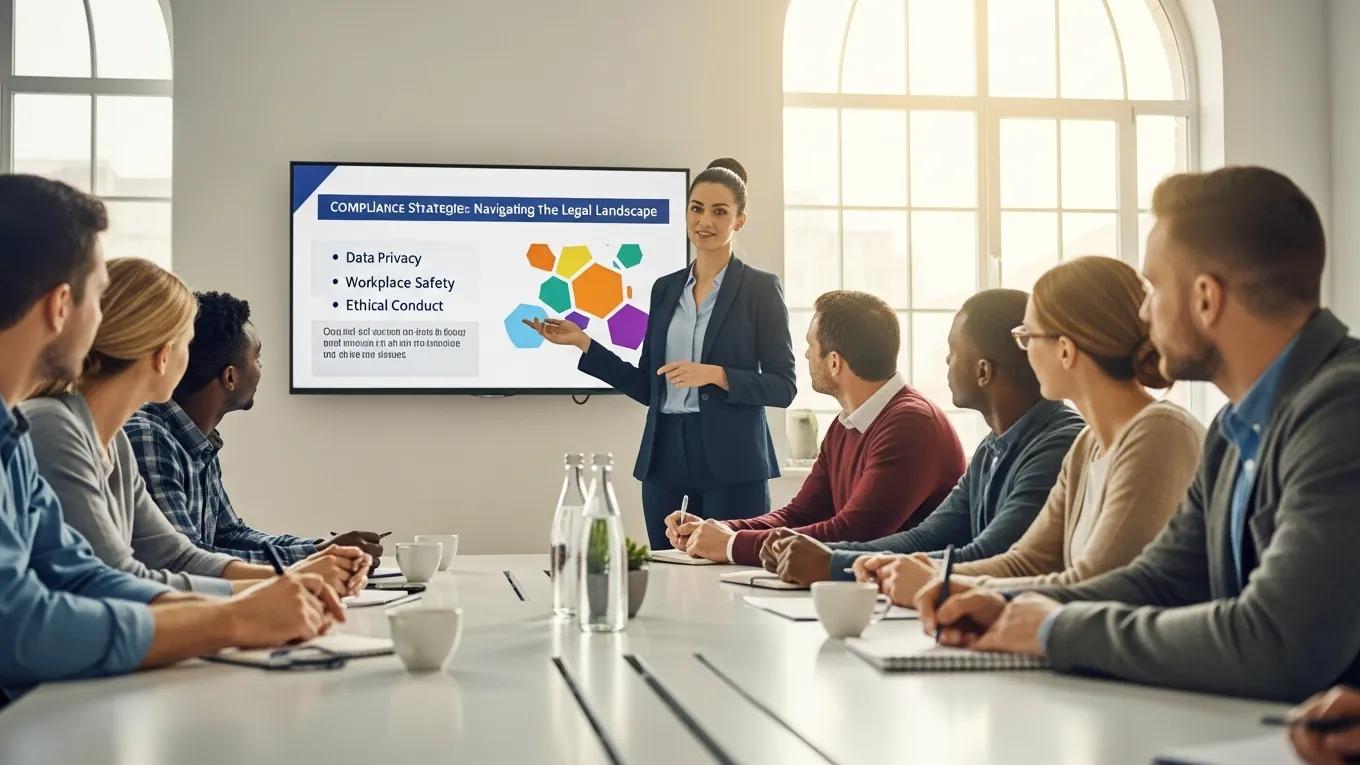
Effective HR strategies are essential for managing compliance and mitigating risks associated with employment law. SMBs should focus on hiring and onboarding practices, employee relations, and risk management to create a compliant workplace.
Hiring and Onboarding
Best practices for hiring and onboarding include developing clear job descriptions and structured onboarding processes. Compliance checks during hiring are crucial to ensure that all candidates meet legal requirements. Implementing a standardized onboarding process helps new employees understand their roles and the company’s compliance expectations.
Employee Relations
Managing employee relations effectively enhances compliance and fosters a positive workplace culture. Formal HR policies should be established to guide employee interactions and address grievances. Centralized HR support can facilitate communication and feedback mechanisms, ensuring that employee concerns are addressed promptly.
Risk Management
Risk management strategies for HR involve conducting regular audits and ongoing compliance monitoring. SMBs should utilize Professional Employer Organizations (PEOs) to leverage their expertise in compliance and risk management. Partnering with a PEO can provide SMBs with access to resources and knowledge that streamline compliance efforts.
Utilizing PEO Services

Partnering with PEOs offers numerous benefits for SMBs, including expertise in compliance and cost efficiency. PEOs can help streamline HR processes, allowing SMBs to focus on core business activities while ensuring compliance with employment laws. This partnership can significantly reduce the administrative burden on SMBs, making it easier to navigate complex regulations.
Best Practices
Implementing best practices for compliance and HR management is essential for SMBs to thrive in a competitive environment. Standardizing payroll processes, maintaining documentation, and soliciting employee feedback are key components of an effective compliance strategy.
What Are the Latest Labor Law Changes SMBs Must Know in 2026?
Staying updated on labor law changes is crucial for SMBs to maintain compliance and avoid legal issues. In 2026, several key updates will impact small businesses, including changes to federal employment laws and state-specific regulations.
Which Federal Employment Law Updates Affect Small Businesses?
Federal updates affecting SMBs include adjustments to minimum wage laws and new regulations regarding overtime pay. These changes require SMBs to review their payroll practices and ensure compliance with the latest standards. Additionally, updates to anti-discrimination laws may necessitate revisions to employee training programs.
How Do State-Specific Labor Laws Impact SMB Compliance?
State-specific labor laws can vary significantly, creating compliance challenges for SMBs operating in multiple jurisdictions. Diverse regulations across states may affect employee classification, payroll tax compliance, and benefits administration. SMBs must stay informed about these variations to ensure compliance and avoid penalties.
How Can SMBs Implement Effective HR Compliance and Risk Management Strategies?
Implementing effective HR compliance and risk management strategies involves integrating compliance checks into daily operations. Training HR staff on the latest regulations and conducting regular audits can help identify potential compliance issues before they escalate. Utilizing technology, such as HR management systems, can streamline compliance efforts and improve overall efficiency.
What Are Best Practices for Hiring and Onboarding Compliance?
Best practices for hiring and onboarding compliance include developing clear job descriptions and structured onboarding processes. Compliance checks during hiring are essential to ensure that all candidates meet legal requirements. Additionally, providing ongoing training for new hires can reinforce compliance expectations and promote a culture of accountability.
How to Manage Employee Relations and Documentation to Reduce Legal Risks?
Managing employee relations effectively involves establishing formal HR policies and maintaining accurate documentation. Structured HR policies can guide employee interactions and address grievances, while accurate record-keeping ensures compliance with legal requirements. Regular training for HR staff on documentation practices can further reduce legal risks.
What Role Do Outsourced HR Services Play in Supporting SMB Labor Law Compliance?
Outsourced HR services play a vital role in supporting SMB labor law compliance by providing expertise and resources. These services can help SMBs navigate complex regulations and implement effective compliance strategies. By partnering with an outsourced HR provider, SMBs can focus on their core business activities while ensuring compliance with employment laws.
How Does Outsourced HR Simplify Payroll Compliance and Risk Management?
Outsourced HR simplifies payroll compliance and risk management by leveraging specialized knowledge and technology. Providers can help SMBs navigate payroll regulations, ensuring timely tax filings and accurate employee classifications. This partnership can significantly reduce the administrative burden on SMBs, allowing them to focus on growth and development.
What Are the Benefits of Partnering with Denali HR for SMBs?
Partnering with Denali HR offers SMBs numerous advantages, including expertise in HR compliance and comprehensive service offerings. Denali HR specializes in providing practical HR solutions tailored for small to mid-sized businesses, helping them navigate the complexities of employment law. By leveraging Denali HR’s services, SMBs can achieve cost savings and streamline their HR processes.
How Can SMBs Stay Updated and Prepared for Ongoing Employment Law Changes?
To stay updated on ongoing employment law changes, SMBs should utilize PEO services and invest in regular training for HR staff. Monitoring regulatory changes and subscribing to industry newsletters can also help SMBs remain informed about the latest developments. Implementing compliance checklists and interactive tools can further enhance HR management and ensure adherence to legal requirements.
What Tools and Resources Help SMBs Track Labor Law Updates in Real Time?
Several tools and resources are available to help SMBs track labor law updates in real time. PEO services, payroll software, and compliance monitoring tools can provide valuable insights into regulatory changes. By utilizing these resources, SMBs can stay informed and ensure compliance with evolving employment laws.
How to Use Compliance Checklists and Interactive Tools for SMB HR Management?
Compliance checklists and interactive tools can significantly enhance SMB HR management by providing structured guidance for compliance efforts. Developing compliance checklists can help HR teams ensure that all necessary steps are taken to meet legal requirements. Regular audits and updates to these tools can further improve compliance and reduce legal risks.
What Are Employee Rights SMBs Must Respect Under Current Employment Laws?
Understanding employee rights is essential for SMBs to maintain compliance and foster a positive workplace culture. Current employment laws protect various rights, including fair treatment, non-discrimination, and the right to a safe working environment. SMBs must ensure that their policies align with these rights to avoid legal issues.
How Should SMBs Communicate and Enforce Employee Rights Effectively?
Effective communication and enforcement of employee rights involve regular training for HR staff and clear documentation of policies. Open communication channels can help employees voice concerns and seek clarification on their rights. By fostering a culture of transparency, SMBs can enhance employee relations and reduce the risk of legal disputes.
How Do Payroll Compliance and Documentation Best Practices Protect SMBs from Legal Risks?
Adhering to payroll compliance and documentation best practices is crucial for protecting SMBs from legal risks. Accurate employee classification, timely tax filings, and maintaining payroll records are essential components of compliance. By implementing these practices, SMBs can mitigate the risk of penalties and legal disputes.
What Are Key Payroll Compliance Requirements for Small Businesses?
Key payroll compliance requirements for small businesses include tax withholding obligations, record-keeping responsibilities, and employee classification standards. SMBs must ensure that they meet these requirements to avoid legal issues and maintain compliance with employment laws.
How to Maintain Accurate Employee Records and Documentation?
Maintaining accurate employee records and documentation involves implementing standardized data collection practices and conducting regular audits. Clear policies regarding record-keeping can help ensure compliance with legal requirements. By prioritizing accurate documentation, SMBs can reduce the risk of legal disputes and enhance overall compliance efforts.
About the Author
This article was reviewed by Josh Henderson, Founder of Denali HR. Denali HR, based in Salt Lake City, Utah, provides payroll services, employee benefits administration, HR support, and risk management solutions for small and mid-sized businesses. Founded in 2019, the company focuses on delivering personalized HR support without the complexity of large PEO providers.