

Employment Background Checks for SMBs: Essential Screening Services and Compliance Guidance
By Josh Henderson, Denali HR
Employment background checks are a critical component of the hiring process for small and medium-sized businesses (SMBs). These checks help ensure that potential employees meet the necessary qualifications and do not pose a risk to the workplace. By implementing effective background screening processes, SMBs can mitigate hiring risks, enhance workplace safety, and comply with legal requirements. This article will explore essential screening services, compliance guidance, best practices for implementation, and the importance of background checks in the hiring process. Additionally, we will discuss how Denali HR can assist SMBs in navigating these complexities.
Essential Screening Services
Essential screening services encompass various checks that help employers verify the qualifications and backgrounds of potential hires. These services typically include:
- Criminal History Checks: These checks reveal any past criminal activity, helping employers assess the risk associated with hiring a candidate.
- Employment Verification: This process confirms a candidate’s previous employment history, ensuring that they have the experience they claim.
- Reference Checks: Contacting previous employers or references provides insights into a candidate’s work ethic and reliability.
Implementing these essential services can significantly reduce the risk of hiring unsuitable candidates.
Compliance Guidance

Ensuring compliance with employment laws is crucial for SMBs conducting background checks. Key guidelines include:
- Adhering to EEO Laws: Employers must comply with Equal Employment Opportunity (EEO) laws, which prohibit discrimination based on race, color, religion, sex, or national origin.
- Maintaining Accurate Records: Proper documentation of background checks is essential for compliance and can protect against potential legal issues.
- Training HR Staff: Providing training for HR personnel on compliance requirements ensures that background checks are conducted fairly and legally.
Denali HR offers integrated solutions that help SMBs simplify hiring and compliance processes, ensuring adherence to these guidelines.
Best Practices for Implementing Effective Background Check Processes
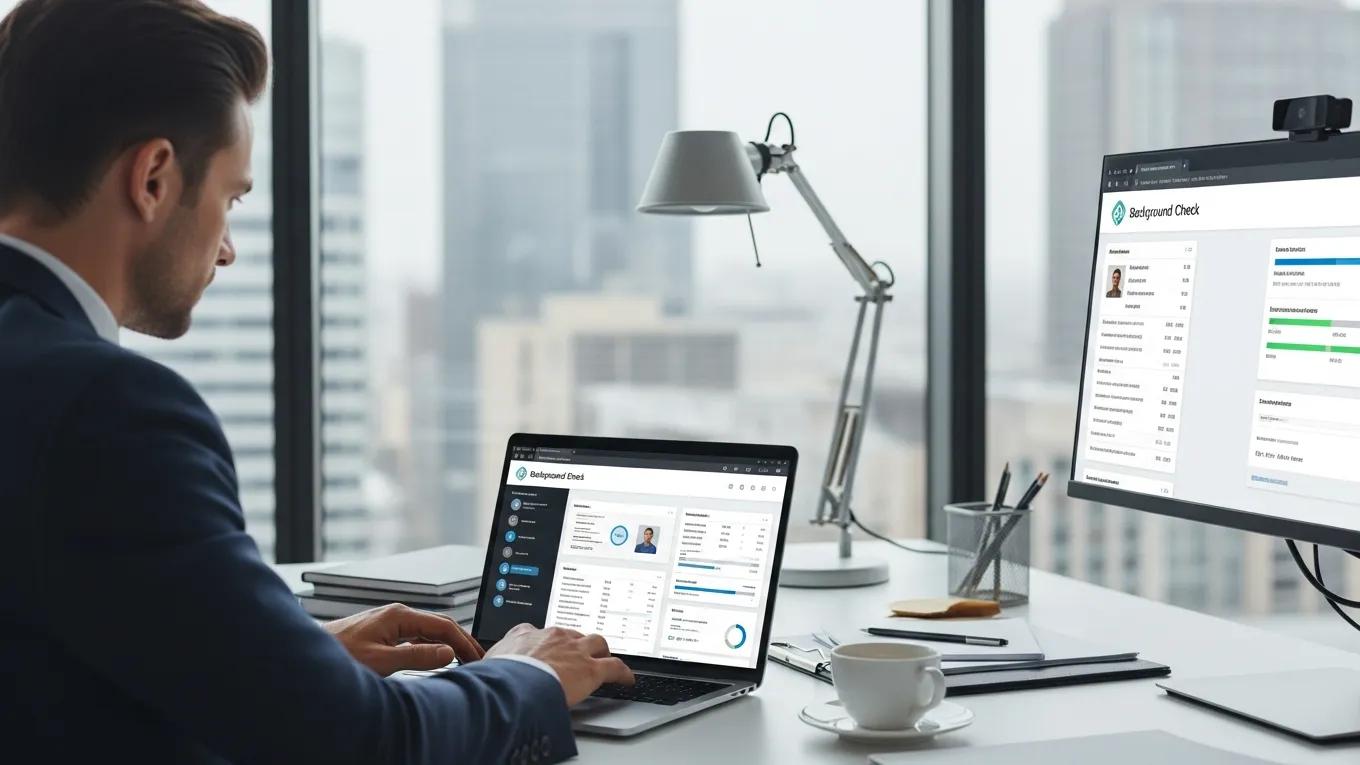
To implement effective background check processes, SMBs should consider the following best practices:
- Integrating Compliance Checks: Ensure that background checks are part of the overall hiring process, aligning with compliance requirements.
- Utilizing Automated Tools: Leverage technology to streamline the background check process, reducing time and potential errors.
- Establishing Clear Policies: Develop and communicate clear policies regarding background checks to all employees involved in the hiring process.
By following these best practices, SMBs can enhance their hiring processes while minimizing risks.
What Are Employment Background Checks and Why Are They Critical for SMBs?
Employment background checks are comprehensive evaluations of a candidate’s history, including their criminal record, employment history, and educational qualifications. These checks are critical for SMBs for several reasons:
- Verification of Qualifications: Background checks confirm that candidates possess the necessary qualifications and experience for the job.
- Mitigating Hiring Risks: By identifying potential red flags, such as a criminal history, employers can make informed hiring decisions that protect their business.
- Enhancing Workplace Safety: Ensuring that employees do not pose a risk to others is vital for maintaining a safe work environment.
Defining Employee Screening Services and Their Role in Hiring
Employee screening services play a pivotal role in the hiring process by providing a thorough assessment of candidates. These services include various checks that verify a candidate’s identity, qualifications, and background. By utilizing these services, SMBs can ensure that they are making informed hiring decisions based on accurate information.
How Background Checks Mitigate Hiring Risks for Small and Medium Businesses
Background checks significantly mitigate hiring risks by uncovering critical information that may not be apparent during interviews or resume reviews. For instance, criminal history checks can reveal past offenses that could pose a risk to the workplace. Additionally, employment verification ensures that candidates have the experience they claim, reducing the likelihood of hiring underqualified individuals. This proactive approach to hiring helps SMBs maintain a safe and productive work environment.
Which Types of Background Checks Should SMBs Implement?
SMBs should consider implementing several types of background checks to ensure a comprehensive evaluation of candidates. Key screening types include:
- Criminal Records Checks: These checks provide insight into any past criminal activity, helping employers assess potential risks.
- Employment Verification: Confirming a candidate’s previous employment history ensures that they have the necessary experience for the role.
- Reference Checks: Contacting references can provide valuable insights into a candidate’s work ethic and reliability.
Understanding Pre Employment Screening Processes and Their Components
Pre-employment screening processes typically involve several components, including identity verification, criminal history checks, and employment verification. Each component plays a crucial role in providing a comprehensive view of a candidate’s background. By understanding these components, SMBs can implement effective screening processes that align with their hiring needs.
Key Screening Types: Criminal Records, Employment Verification, and More
Different types of background checks serve distinct purposes in the hiring process. Criminal records checks help identify any past offenses, while employment verification confirms a candidate’s work history. Additionally, reference checks provide insights into a candidate’s character and work ethic. By utilizing a combination of these screening types, SMBs can make informed hiring decisions that align with their organizational goals.
How Can SMBs Ensure Compliance with Background Check Regulations?
To ensure compliance with background check regulations, SMBs must adhere to several key legal requirements:
- Understanding EEO Laws: Familiarize yourself with Equal Employment Opportunity laws to avoid discrimination during the hiring process.
- Maintaining Accurate Records: Keep detailed records of background checks to demonstrate compliance and protect against potential legal issues.
- Training HR Staff: Provide training for HR personnel on compliance requirements to ensure that background checks are conducted fairly and legally.
Key Legal Requirements
Key legal requirements for conducting background checks include compliance with the Fair Credit Reporting Act (FCRA), obtaining candidate consent, and providing necessary disclosures. Understanding these requirements is essential for SMBs to avoid legal pitfalls.
Best Practices for Implementation
Implementing best practices for background checks involves integrating compliance checks into the hiring process, conducting regular audits, and ensuring that all staff involved in hiring are trained on legal requirements. By following these practices, SMBs can maintain compliance and protect their business.
Potential Consequences of Non-Compliance
Failing to comply with background check regulations can lead to severe consequences, including legal penalties and damage to the company’s reputation. SMBs must prioritize compliance to avoid these risks and maintain a positive image in the marketplace.
Navigating Legal Requirements: FCRA and Employment Screening Compliance
The Fair Credit Reporting Act (FCRA) outlines specific requirements for conducting background checks, including obtaining consent from candidates and providing disclosures. Understanding these legal requirements is crucial for SMBs to ensure compliance and avoid potential legal issues.
Best Practices for Maintaining HR Compliance in SMB Hiring
To maintain HR compliance in SMB hiring, businesses should focus on integrating compliance checks into their hiring processes, training HR staff on legal requirements, and conducting regular audits of their background check procedures. These practices help ensure that SMBs remain compliant with employment laws and protect against potential legal issues.
What Are Effective Strategies to Integrate Background Checks with Onboarding and Payroll?
Integrating background checks with onboarding and payroll processes can streamline the hiring experience for SMBs. Effective strategies include:
- Integrating Onboarding Software: Utilize onboarding software that incorporates background checks into the hiring process, ensuring a seamless transition for new hires.
- Automating Data Entry: Leverage technology to automate data entry for background checks, reducing the potential for errors and saving time.
- Standardizing Procedures: Establish standardized procedures for conducting background checks to ensure consistency and compliance.
Streamlining Employment Verification Services with Onboarding Processes
Streamlining employment verification services with onboarding processes involves integrating verification checks into the onboarding software. This approach ensures that new hires are verified before their start date, reducing the risk of hiring unqualified candidates.
Leveraging Integrated HR Solutions for Payroll and Screening Efficiency
Utilizing integrated HR solutions can enhance payroll and screening efficiency for SMBs. By leveraging technology that combines payroll processing with background checks, businesses can streamline their hiring processes and ensure compliance with legal requirements.
How Do Technology and Risk Reduction Strategies Enhance Background Screening for SMBs?
Technology plays a vital role in enhancing background screening for SMBs. By utilizing technology-enabled screening solutions, businesses can improve the efficiency and accuracy of their background checks. Additionally, implementing risk reduction strategies tailored to small business needs can further enhance the effectiveness of background screening processes.
Utilizing Technology-Enabled Screening Solutions for Scalable Workforce Management
Technology-enabled screening solutions provide SMBs with scalable options for managing their workforce. These solutions can automate background checks, ensuring that businesses can efficiently process multiple candidates while maintaining compliance with legal requirements.
Practical Risk Reduction Approaches Tailored to Small Business Needs
Practical risk reduction approaches for SMBs include conducting regular audits of background check processes, providing training for HR staff, and utilizing technology to streamline screening procedures. These strategies help mitigate risks associated with hiring and ensure compliance with employment laws.
What Are Common Questions SMBs Have About Employment Background Checks?
SMBs often have several common questions regarding employment background checks, including:
- How Long Does a Pre Employment Check Take and What Is Included?: The duration of a pre-employment check can vary based on the type of checks conducted, but it typically takes between 24-48 hours. Common components include criminal history checks, employment verification, and reference checks.
- Are Background Checks Legally Required for SMB Employers?: While background checks are not legally required for all employers, they are highly recommended to mitigate hiring risks and ensure workplace safety.
How Long Does a Pre Employment Check Take and What Is Included?
A pre-employment check typically takes 24-48 hours, depending on the complexity of the checks involved. Common components of a pre-employment check include criminal history checks, employment verification, and reference checks, all of which provide valuable insights into a candidate’s background.
Are Background Checks Legally Required for SMB Employers?
While background checks are not legally mandated for all employers, they are strongly recommended as a best practice to mitigate hiring risks and ensure workplace safety. Conducting background checks can help SMBs make informed hiring decisions and protect their business from potential liabilities.
About the Author
This article was reviewed by Josh Henderson, Founder of Denali HR.
Denali HR, based in Salt Lake City, Utah, provides payroll services, employee benefits administration, HR support, and risk management solutions for small and mid-sized businesses. Founded in 2019, the company focuses on delivering personalized HR support without the complexity of large PEO providers.
About the Author
This article was reviewed by Josh Henderson, Founder of Denali HR. Denali HR, based in Salt Lake City, Utah, provides payroll services, employee benefits administration, HR support, and risk management solutions for small and mid-sized businesses. Founded in 2019, the company focuses on delivering personalized HR support without the complexity of large PEO providers.