

Comprehensive Construction Industry HR Compliance and Safety Solutions for Effective Workforce Management
By Josh Henderson, Denali HR
In the construction industry, ensuring compliance with HR regulations and safety standards is paramount for maintaining a productive and secure work environment. This article delves into the essential aspects of HR compliance and safety in construction, focusing on the critical role of OSHA regulations, effective workforce management, and the integration of safety programs. Readers will gain insights into the latest OSHA compliance requirements, best practices for contractor safety programs, and strategies for streamlining employee onboarding. By addressing these key areas, construction businesses can mitigate risks and enhance operational efficiency, ultimately leading to a safer workplace.
What Are the Essential OSHA Compliance Requirements for Construction Contractors?
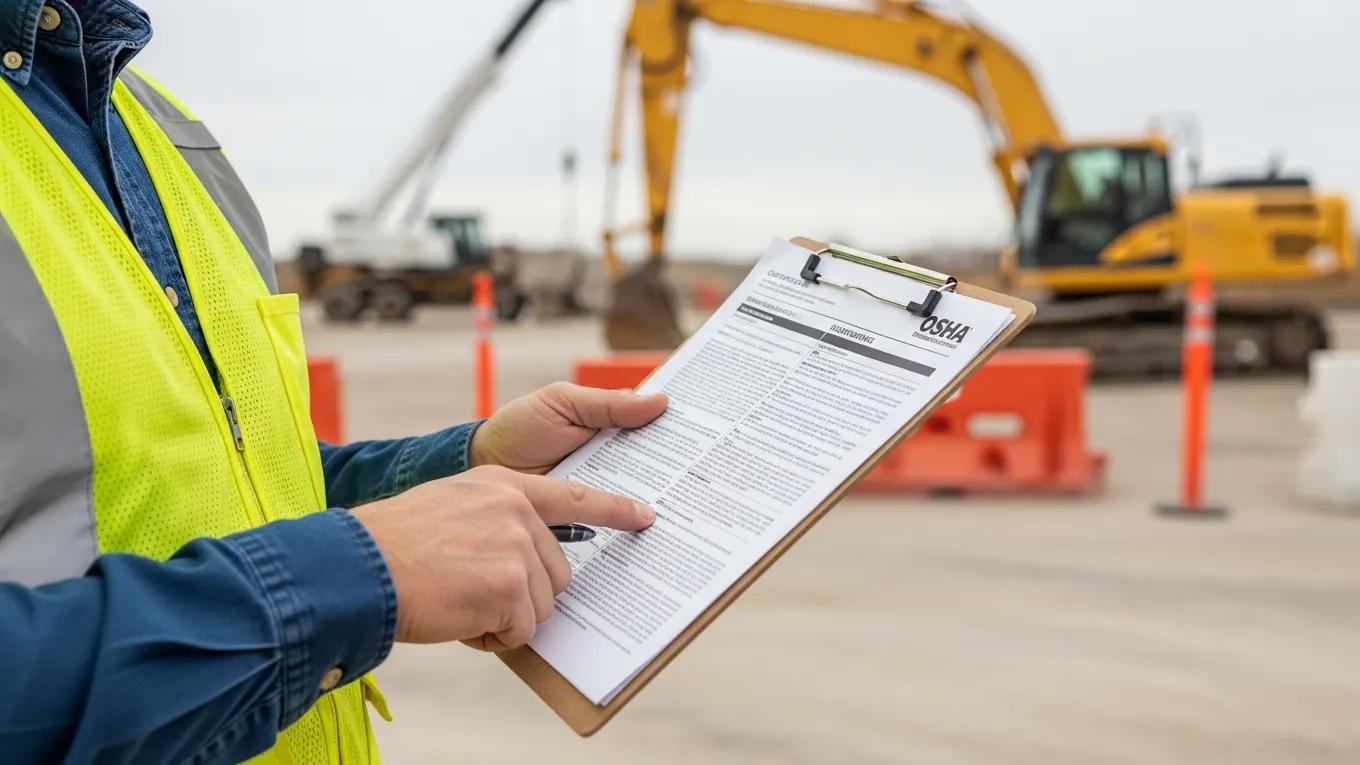
OSHA compliance requirements for construction contractors are designed to ensure workplace safety and health standards are met. These regulations encompass a variety of areas, including hazard communication, personal protective equipment (PPE), and fall protection. Understanding these requirements is crucial for contractors to avoid penalties and ensure the safety of their workforce.
Key components of OSHA compliance include:
- Understanding OSHA Regulations: Contractors must familiarize themselves with the specific OSHA standards applicable to their operations, including construction-specific regulations.
- Documentation Requirements: Maintaining accurate records of safety training, incidents, and inspections is essential for compliance.
- Reporting Timelines: Contractors are required to report certain incidents and maintain records within specified timeframes to comply with OSHA regulations.
By adhering to these requirements, construction contractors can create a safer work environment and reduce the risk of accidents.
How Do Updated OSHA Standards Impact Construction Safety in 2025 and Beyond?
The recent updates to OSHA standards significantly impact construction safety practices. These changes reflect the evolving nature of the construction industry and the need for enhanced safety measures.
Key implications of updated OSHA standards include:
- Overview of Updated Standards: New regulations may introduce stricter guidelines for fall protection, scaffolding, and excavation safety.
- Implications for Contractors: Contractors must adapt their safety protocols to align with these updates, ensuring that all employees are trained on the latest practices.
- Future Trends in Safety Compliance: The trend towards increased use of technology in safety monitoring and reporting is likely to continue, providing contractors with tools to enhance compliance.
Understanding these updates is essential for contractors to maintain compliance and ensure the safety of their workforce.
What Steps Ensure Effective OSHA Compliance Documentation and Reporting?
Effective OSHA compliance documentation and reporting are critical for maintaining safety standards in the construction industry. Implementing systematic processes can help contractors stay compliant and avoid penalties.
Steps to ensure effective documentation include:
- Understanding Regulatory Requirements: Familiarize yourself with the specific documentation required by OSHA for your industry.
- Maintaining Accurate Records: Keep detailed records of safety training sessions, incident reports, and safety inspections.
- Timely Reporting of Incidents: Ensure that all incidents are reported within the required timelines to comply with OSHA regulations.
By following these steps, contractors can enhance their compliance efforts and contribute to a safer work environment.
How Can Contractor Safety Programs Reduce Risk and Enhance Compliance?
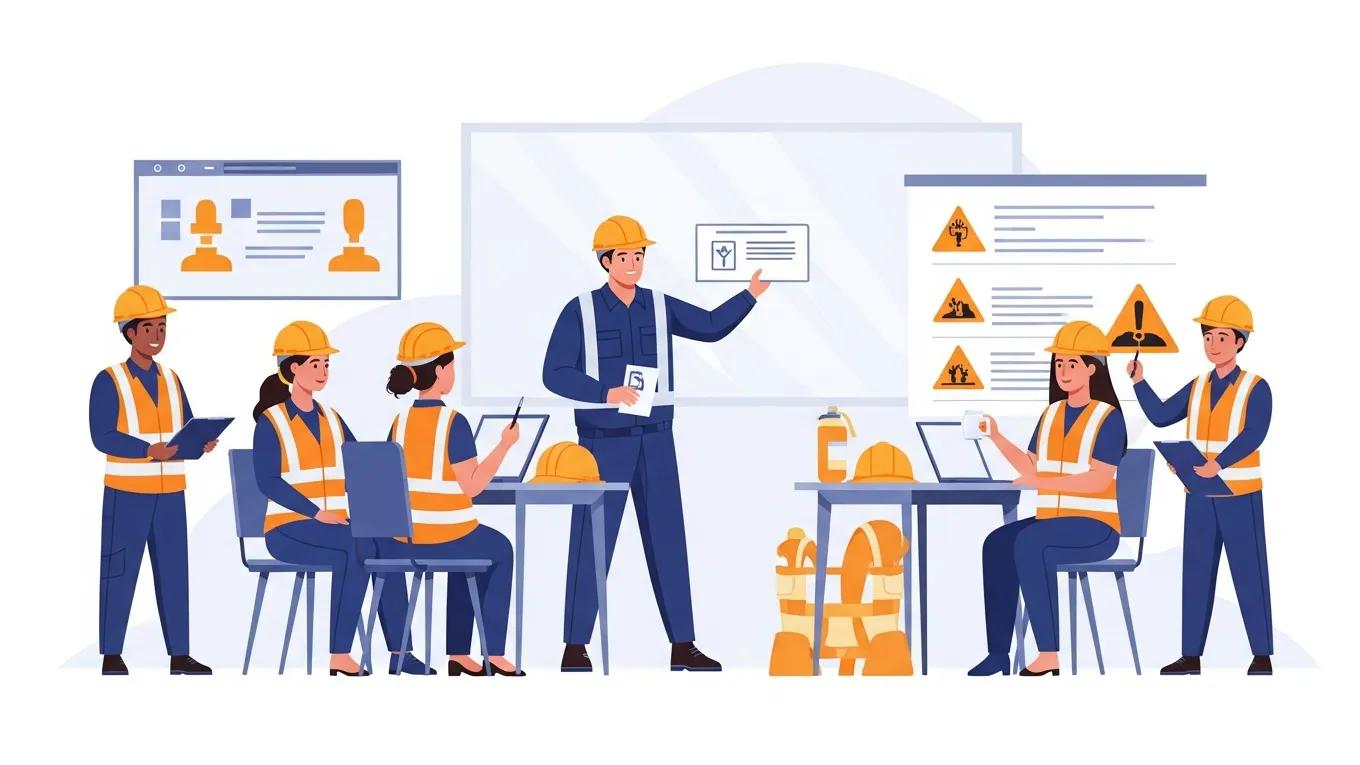
Implementing comprehensive contractor safety programs is essential for reducing risks and enhancing compliance in the construction industry. These programs focus on proactive measures to prevent accidents and ensure adherence to safety regulations.
Key strategies for effective contractor safety programs include:
- Comprehensive Risk Assessments: Conduct regular assessments to identify potential hazards and implement appropriate safety measures.
- Ongoing Training Programs: Provide continuous training for employees to keep them informed about safety practices and compliance requirements.
- Employee Engagement in Safety: Foster a culture of safety by encouraging employees to participate in safety discussions and initiatives.
By prioritizing safety programs, contractors can significantly reduce workplace accidents and improve compliance with OSHA regulations.
What Are Best Practices for Developing and Implementing Contractor Safety Programs?
Developing and implementing effective contractor safety programs involves several best practices that ensure safety and compliance.
Best practices include:
- Conducting Risk Assessments: Regularly evaluate the work environment to identify hazards and implement necessary controls.
- Developing Response Plans: Create clear response plans for emergencies and ensure all employees are trained on these procedures.
- Maintaining Documentation: Keep thorough records of safety training, incidents, and compliance efforts to demonstrate adherence to regulations.
These practices not only enhance safety but also contribute to a culture of compliance within the organization.
How Does Denali HR Support Contractor Safety Program Management?
Denali HR provides specialized support for contractor safety program management, helping businesses navigate the complexities of compliance and safety regulations.
Key areas of support include:
- Risk Assessments: Denali HR assists in conducting comprehensive risk assessments to identify potential hazards in the workplace.
- Safety Protocol Development: The company helps develop tailored safety protocols that align with OSHA regulations and industry best practices.
- Compliance Monitoring: Denali HR offers ongoing compliance monitoring to ensure that contractors remain up-to-date with the latest regulations.
By leveraging Denali HR’s expertise, construction businesses can enhance their safety programs and ensure compliance with OSHA standards.
What Are the Best Practices for Construction Workforce Management and Employee Onboarding?
Effective workforce management and employee onboarding are critical for ensuring compliance and safety in the construction industry. Implementing best practices in these areas can lead to improved employee retention and productivity.
Best practices for workforce management include:
- Effective Training Strategies: Develop training programs that address both safety and compliance requirements for new hires.
- Compliance with Regulations: Ensure that all onboarding processes align with OSHA regulations and industry standards.
- Enhancing Employee Retention: Foster a positive work environment that encourages employee engagement and satisfaction.
By focusing on these best practices, construction companies can create a more efficient and compliant workforce.
How to Streamline Employee Onboarding and Documentation in Construction?
Streamlining employee onboarding and documentation processes is essential for improving efficiency and compliance in the construction industry.
Strategies for effective onboarding include:
- Standardized Onboarding Procedures: Develop a consistent onboarding process that includes safety training and compliance education.
- Utilizing Technology: Implement technology solutions to automate documentation and tracking of employee training and compliance.
- Regular Training and Engagement: Schedule ongoing training sessions to keep employees informed about safety practices and compliance requirements.
By adopting these strategies, construction companies can enhance their onboarding processes and ensure compliance with OSHA regulations.
Which Workforce Management Software Solutions Integrate Payroll and Compliance?
Workforce management software solutions play a crucial role in integrating payroll and compliance functions for construction companies. These tools help streamline operations and ensure adherence to labor laws.
Key features of effective workforce management software include:
- Automated Payroll Processing: Simplifies payroll management by automating calculations and ensuring compliance with tax regulations.
- Real-Time Reporting: Provides real-time insights into workforce data, helping managers make informed decisions.
- Compliance Tracking: Monitors compliance with labor laws and OSHA regulations, reducing the risk of penalties.
By utilizing these software solutions, construction companies can enhance their operational efficiency and maintain compliance.
How to Ensure Payroll and Labor Law Compliance for Construction Contractors?
Ensuring payroll and labor law compliance is essential for construction contractors to avoid legal issues and penalties.
Steps to achieve compliance include:
- Employee Classification: Accurately classify employees to comply with labor laws and avoid misclassification penalties.
- Payroll Tax Compliance: Stay informed about payroll tax regulations and ensure timely payments to avoid fines.
- Documentation Maintenance: Keep thorough records of payroll processes and employee classifications to demonstrate compliance.
By following these steps, contractors can effectively manage payroll and labor law compliance.
What Are Key Payroll Challenges in Construction and How to Address Them?
Construction companies face several payroll challenges that can impact compliance and operational efficiency.
Key challenges include:
- Complex Tax Regulations: Navigating the intricacies of tax regulations can be daunting for construction contractors.
- Employee Classification Issues: Misclassifying employees can lead to significant legal and financial repercussions.
- Maintaining Compliance with Labor Laws: Staying updated on changing labor laws is essential for avoiding penalties.
Addressing these challenges requires proactive measures, including regular training and consultation with compliance experts.
How Does Outsourced Payroll Support Enhance Compliance and Efficiency?
Outsourced payroll support can significantly enhance compliance and efficiency for construction companies.
Benefits of outsourcing payroll include:
- Expertise in Compliance: Outsourcing providers have specialized knowledge of labor laws and regulations, ensuring compliance.
- Risk Reduction: By outsourcing payroll, companies can reduce the risk of errors and penalties associated with payroll processing.
- Cost-Effectiveness: Outsourcing can be more cost-effective than maintaining an in-house payroll department, allowing companies to allocate resources more efficiently.
By leveraging outsourced payroll support, construction companies can improve their compliance efforts and operational efficiency.
What Risk Reduction Strategies Strengthen HR Compliance and Safety in Construction?
Implementing risk reduction strategies is essential for strengthening HR compliance and safety in the construction industry.
Key strategies include:
- Comprehensive Risk Assessments: Regularly assess potential hazards to identify and mitigate risks before they lead to incidents.
- Robust Response Plans: Develop and communicate clear response plans for emergencies to ensure employee safety.
- Regular Training: Conduct ongoing training sessions to keep employees informed about safety practices and compliance requirements.
By prioritizing these strategies, construction companies can enhance their safety culture and ensure compliance with regulations.
How to Identify and Mitigate HR Compliance Risks in Construction Businesses?
Identifying and mitigating HR compliance risks is crucial for construction businesses to avoid legal issues and penalties.
Steps to mitigate risks include:
- Conducting Risk Assessments: Regularly evaluate HR practices to identify potential compliance risks.
- Compliance Monitoring: Implement systems to monitor compliance with labor laws and OSHA regulations.
- Employee Engagement: Foster a culture of compliance by encouraging employees to report concerns and participate in safety initiatives.
By taking these steps, construction companies can effectively manage HR compliance risks.
What Role Do Scalable Workforce Systems Play in Managing Construction HR Risks?
Scalable workforce systems play a vital role in managing HR risks in the construction industry.
Key benefits of scalable systems include:
- Compliance Monitoring: These systems can track compliance with labor laws and OSHA regulations, reducing the risk of penalties.
- Training Programs: Scalable systems can facilitate ongoing training for employees, ensuring they remain informed about safety practices.
- Data Analytics: Utilizing data analytics can help identify trends and areas for improvement in HR compliance and safety.
By implementing scalable workforce systems, construction companies can enhance their risk management efforts and ensure compliance with regulations.
About the Author
This article was reviewed by Josh Henderson, Founder of Denali HR. Denali HR, based in Salt Lake City, Utah, provides payroll services, employee benefits administration, HR support, and risk management solutions for small and mid-sized businesses. Founded in 2019, the company focuses on delivering personalized HR support without the complexity of large PEO providers.