

Workers’ Compensation Basics for Employers: Essential Insurance Requirements and Compliance Responsibilities
By Josh Henderson, Denali HR
Understanding workers’ compensation is essential for employers. It protects employees and limits business liability. This guide explains the insurance requirements and compliance responsibilities employers must meet. Employers frequently encounter complex workers’ compensation laws; mismanagement can cause significant financial and legal consequences. By mastering the fundamentals, employers can ensure compliance, reduce risk, and promote a safer workplace. The article covers insurance requirements, employer duties, the claims process, risk management strategies, and the value of a compliance checklist.
Essential Workers’ Compensation Requirements & Employer Compliance
Workers’ compensation insurance is a mandatory form of coverage that supports employees who suffer work‑related injuries or illnesses. It typically covers medical care, rehabilitation and a portion of lost wages, ensuring employees receive necessary treatment without imposing full costs on the employer. Compliance is required; failure to secure coverage can result in fines and legal action.
Which Businesses Must Carry Workers’ Compensation Insurance?
Most businesses must carry workers’ compensation insurance, though requirements vary by state. Generally, any employer with paid staff—including part‑time and seasonal workers—must obtain coverage. Certain exemptions may apply, such as for sole proprietors, some real estate professionals, or specific agricultural operations. Employers should verify state regulations to confirm obligations and avoid penalties.
What Coverage Levels and Policy Details Are Required?
Employers must ensure their workers’ compensation policy meets state‑mandated minimums. Typical coverage includes medical expenses, rehabilitation and a portion of lost wages. Employers should review policy details such as coverage duration and exclusions to confirm adequacy. Adequate coverage protects both employees and the business following a workplace injury.
What Are Employer Responsibilities for Workers’ Compensation Compliance?
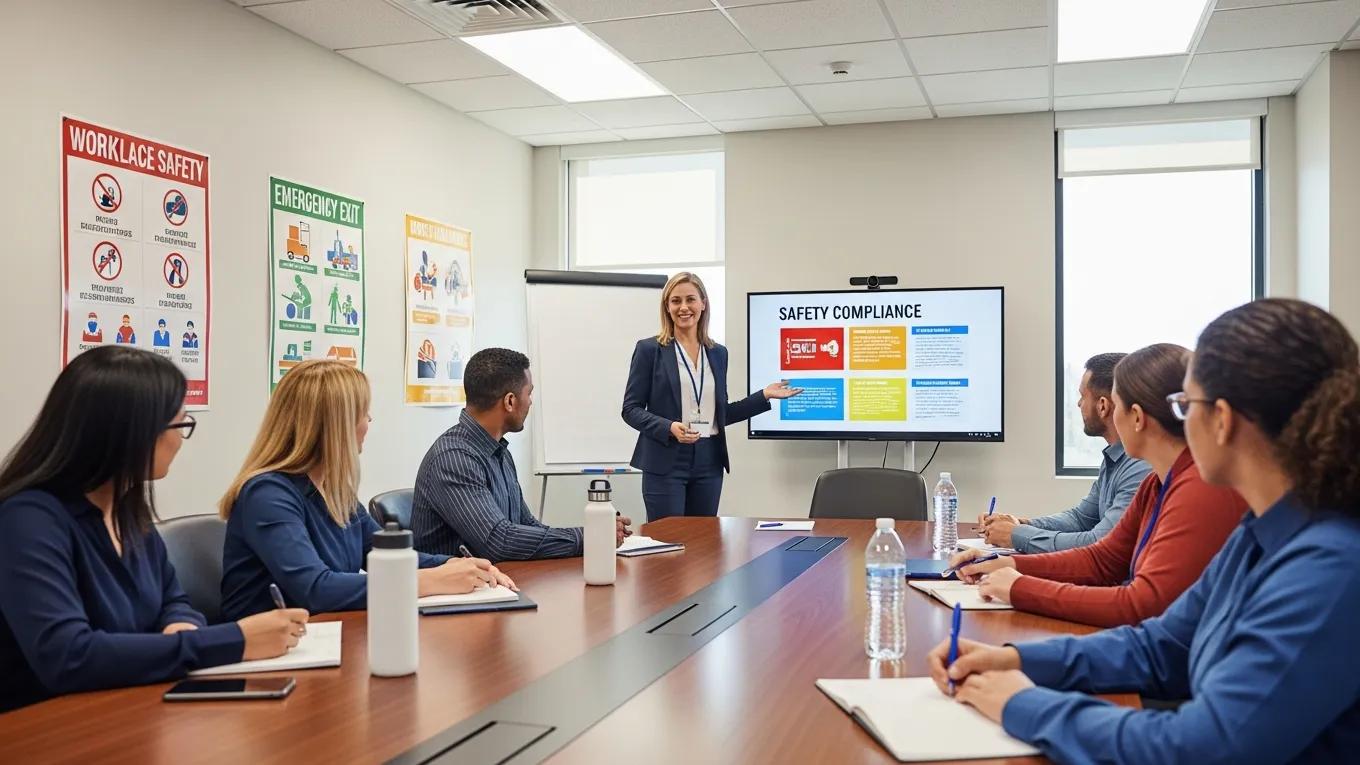
Employers must secure required insurance, provide a safe work environment, and maintain accurate records of workplace injuries and illnesses. Understanding and discharging these obligations helps mitigate risk and protect the business from liability.
How Do Employers Maintain Compliance with Workers’ Compensation Laws?
To maintain compliance, implement regular employee training on safety and reporting procedures, monitor legislative changes, and establish clear documentation protocols so incidents are reported and recorded accurately.
What Are the Reporting and Recordkeeping Obligations?
Employers must retain specific records of workplace injuries and illnesses, documenting incident details, the nature of the injury, and any medical treatment provided. Certain injuries must be reported to insurers and state agencies within prescribed timelines. Use standardized forms and ensure employees understand the reporting process.
How Does the Workers’ Compensation Claims Process Work for Employers?
Understanding the claims process enables effective claim management. From initial injury reporting to claim resolution, employers influence outcomes through timely actions, accurate documentation, and clear communication.
What Steps Should Employers Follow When an Employee Files a Claim?
When an employee files a claim, provide the required forms and explain the procedure. Document the incident thoroughly, collect witness statements and relevant evidence, and maintain clear communication with the employee to set expectations and offer support during the process.
How Can Employers Manage Claims Efficiently to Reduce Risk?

Efficient claims management reduces risk. Best practices include prompt reporting, regular communication with injured employees, and use of technology for claims tracking. Active management helps identify trends and address root causes, supporting a safer work environment.
What Risk Management Strategies Can Employers Implement to Prevent Workplace Injuries?
Employers should adopt risk management measures to prevent workplace injuries and maintain compliance with workers’ compensation laws. These measures protect employees and help reduce costs associated with claims and insurance premiums.
Which Injury Prevention Programs Are Most Effective?
Effective injury prevention programs identify hazards and apply targeted mitigation measures. Common elements include routine safety training, ergonomic assessments, and safety committees. Encouraging employee participation fosters a proactive safety culture.
How Does Integrating HR and Payroll Systems Support Risk Management?
Integrating HR and payroll systems enhances risk management by improving data accuracy for employee classifications, which affects premiums and coverage requirements. Integrated systems also enable better coordination between departments to manage safety and compliance more effectively.
How Can Employers Use a Workers’ Compensation Compliance Checklist to Ensure Ongoing Compliance?
A workers’ compensation compliance checklist is a practical tool to verify legal obligations and maintain ongoing compliance. The checklist helps identify coverage gaps and areas for improvement in safety practices.
What Items Should Be Included in a Comprehensive Compliance Checklist?
A comprehensive checklist should verify insurance coverage, document employee training sessions, and maintain accurate records of workplace injuries. Employers should also review safety policies and procedures regularly to ensure alignment with current regulations and best practices.
How Often Should Employers Review and Update Their Compliance Practices?
Employers should review and update compliance practices at least annually or when legislation or workplace conditions change. Triggers for review include changes in employee count, role modifications, or introduction of new equipment or processes. Document findings to demonstrate due diligence.
Frequently Asked Questions
What are the consequences of not having workers’ compensation insurance?
Failing to secure workers’ compensation insurance can result in substantial fines, legal penalties, and potential lawsuits. In many states, employers may be held personally liable for medical costs and lost wages if coverage is not in place. Lack of insurance can also damage reputation and hinder recruitment and retention efforts.
How can employers educate employees about workers’ compensation rights?
Employers can educate employees through regular training sessions, clear informational handouts, and accessible online resources. Provide straightforward guidance on the claims process, employee rights, and safety protocols. Foster open communication and consider using case studies to illustrate key points.
What role does workplace safety play in workers’ compensation claims?
Workplace safety is central to reducing claims. A safe environment lowers the frequency and severity of injuries. Employers who prioritise safety through training, hazard assessments, and preventive measures can reduce premiums, improve morale, and minimise operational disruption.
Are there any exceptions to workers’ compensation coverage requirements?
Yes. Exceptions vary by state and may include sole proprietors, certain agricultural workers, and independent contractors. Some states permit small businesses with few employees to opt out. Employers must confirm state‑specific rules to ensure compliance and avoid liability.
How can employers handle disputes related to workers’ compensation claims?
Handle disputes with a structured approach: ensure documentation is complete and accurate, communicate openly with the injured employee, and consider mediation or insurer involvement when appropriate. Familiarity with state dispute resolution procedures supports effective conflict management and ongoing compliance.
What are the benefits of having a workers’ compensation compliance checklist?
A compliance checklist ensures legal requirements are met and documentation is maintained. It identifies gaps in coverage and safety practices, streamlines reviews, and helps employers stay current with regulatory changes. Regular use of the checklist supports a proactive compliance posture and reduces the risk of penalties.
How can technology improve workers’ compensation management?
Technology improves workers’ compensation management by automating claims tracking, document management, and injury trend analysis. Automated reporting supports timely submissions to insurers and regulators. Technology also enhances communication between employees and management, enabling faster resolution and reduced risk.
About the Author
This article was reviewed by Josh Henderson, Founder of Denali HR. Denali HR, based in Salt Lake City, Utah, provides payroll services, employee benefits administration, HR support, and risk management solutions for small and mid-sized businesses. Founded in 2019, the company focuses on delivering personalized HR support without the complexity of large PEO providers.