
Workplace Safety Programs for Small Business OSHA Compliance
By Josh Henderson, Denali HR
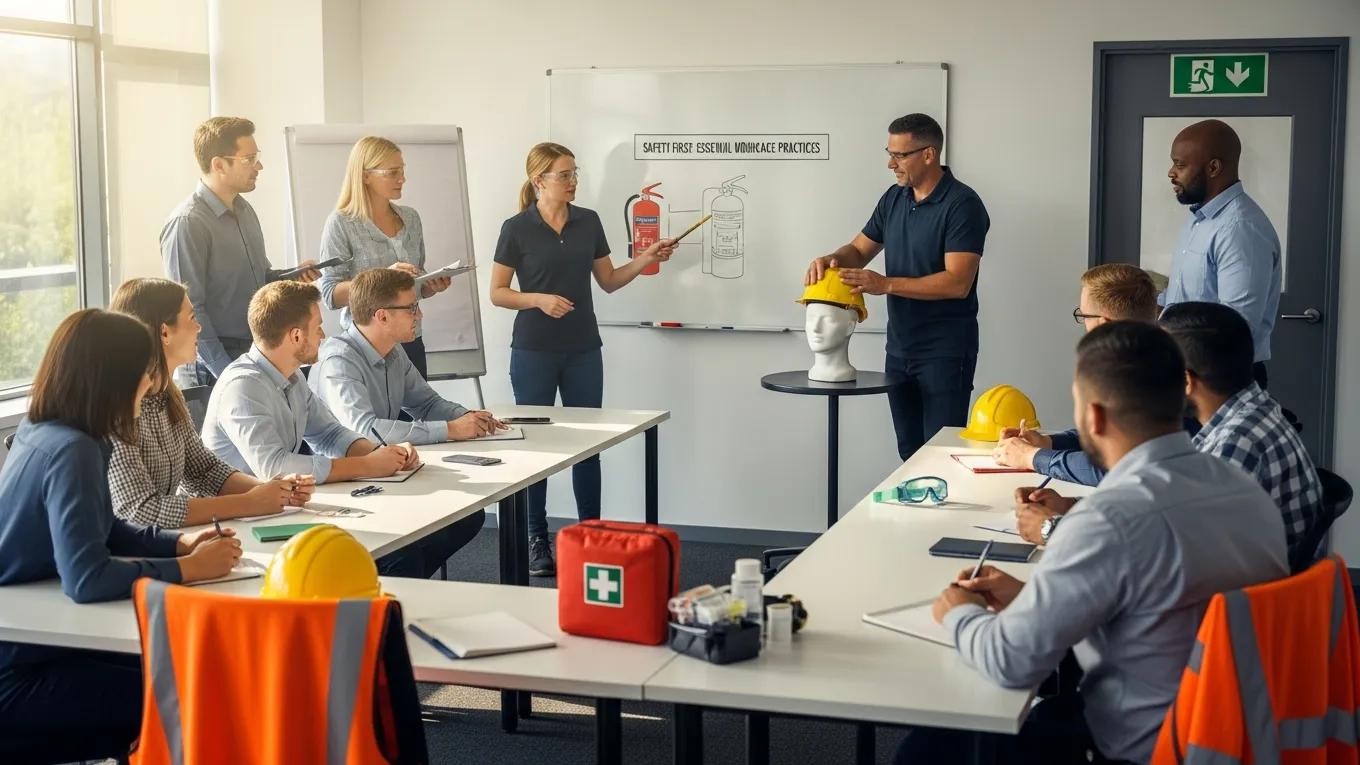
A safe workplace is both a regulatory obligation and a foundation for productivity and employee health. This article outlines strategies for designing workplace safety and injury-prevention programs for small businesses addressing OSHA compliance. It covers comprehensive risk assessments, response plans, ongoing training, and compliance management. Addressing these areas enables businesses to reduce risk and improve employee safety.
Small businesses must balance operational demands with effective safety protocols. This article provides practical guidance to implement a safety program that meets regulatory requirements and fosters a safety-minded workforce. It also examines relevant technology solutions and collaboration with Professional Employer Organizations (PEOs).
Comprehensive Risk Assessments

Thorough risk assessments form the foundation of an effective workplace safety program. Assessments identify hazards, evaluate the likelihood of incidents, and determine potential impacts on staff and operations. Conducting assessments regularly allows organizations to adapt strategies and remain proactive.
Identifying hazards enables targeted interventions to mitigate risks before accidents occur. This proactive approach improves employee safety and supports operational efficiency. Tailoring protocols to the specific risks of each work environment is essential for effectiveness.
Robust Response Plans
Clear response plans reduce the impact of workplace incidents. Plans should define employee roles and step-by-step actions for emergencies. Regular updates and drills reinforce procedures and improve real-world performance.
A structured response plan builds organizational preparedness. Employees who are familiar with procedures respond more calmly and effectively, limiting disruption during actual incidents.
Regular Training
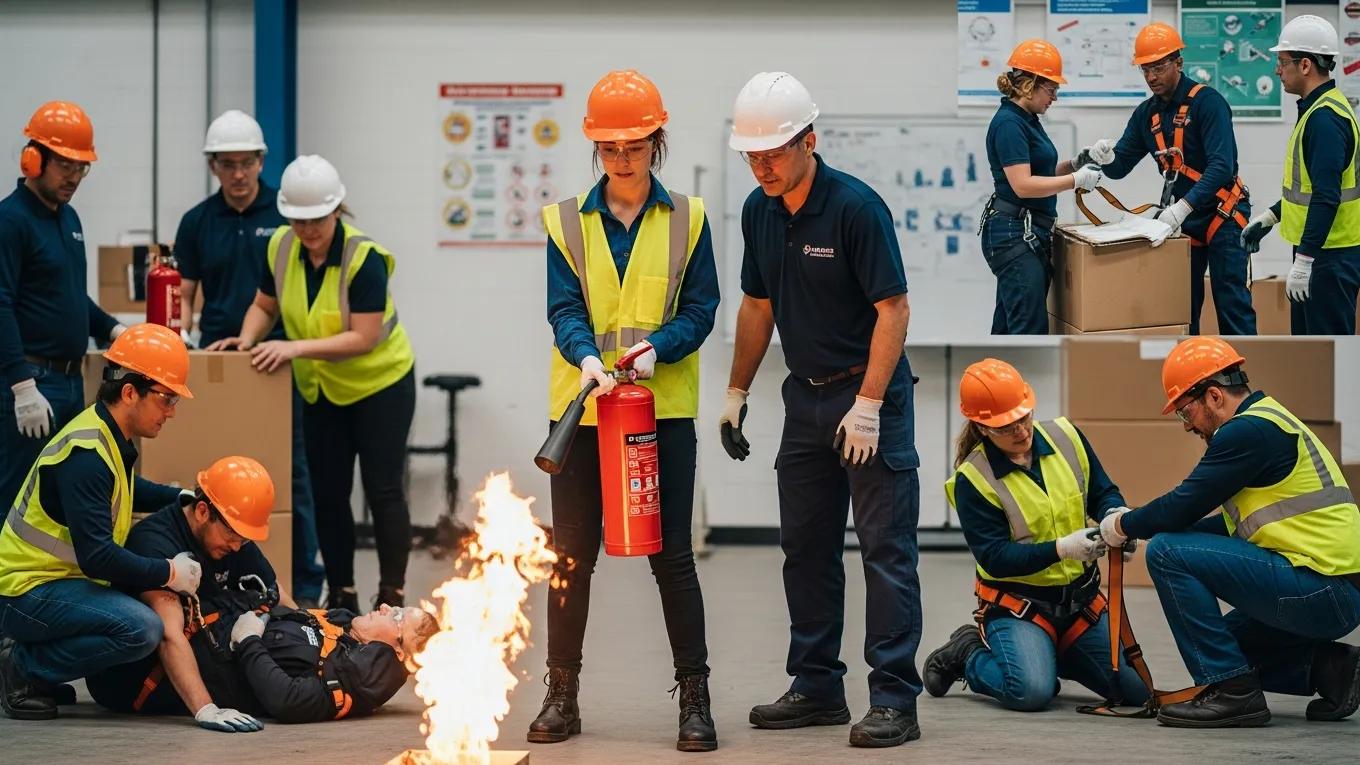
Ongoing training is essential to maintain workplace safety. Sessions should cover safety protocols, emergency procedures, and correct use of equipment. Consistent emphasis ensures staff are prepared to manage potential hazards.
Training must be tailored to organizational needs and specific job roles to improve retention and application. Incorporating realistic scenarios increases understanding and supports effective implementation of safety measures.
Training aligned with OSHA standards has been shown to directly reduce injuries and improve compliance.
OSHA Safety Training’s Impact on Injury Reduction
This study examines the gap between mandated OSHA-aligned safety training and measurable safety outcomes in high-exposure workplaces where injuries and near misses persist. It quantifies how training exposure and perceived quality relate to safety compliance and injury-reduction indicators, and whether compliance mediates the effect of training on outcomes.
A Meta-Analysis of OSHA Safety Training Programs and their Impact on Injury Reduction and Safety Compliance in US Workplaces, J Shekh, 2024
Ongoing Monitoring
Continuous monitoring is essential to maintain compliance and workplace safety. Monitoring systems allow businesses to track safety metrics and identify areas for improvement. Ongoing evaluation enables organizations to adjust strategies in response to new threats or changes in the work environment.
A culture of continuous improvement strengthens safety programs and reduces accident likelihood. Regular audits and assessments provide insight into the effectiveness of current measures and highlight areas requiring attention.
Compliance Management
Adherence to OSHA regulations is a core element of workplace safety. Establishing a compliance framework helps organizations identify vulnerabilities and define mitigation protocols. Routine reviews keep the business current with regulatory changes.
Effective compliance management protects employees and reduces legal exposure. Prioritizing compliance helps avoid fines and supports a safer work environment.
Well-designed in-house compliance programs demonstrate an organization’s commitment to safety and enable early identification of hazards.
Designing Effective OSHA Compliance Programs
In-house occupational safety and health compliance programs serve two primary functions: providing clear evidence of an enterprise’s commitment to obeying the law, and identifying hazards in time to reduce costs and potential liability. Modern corporate compliance requires integrating scientific information with a multidisciplinary staff to meet an expanding set of laws focused on occupational safety and health.
Designing an effective OSHA compliance program, IL Feitshans, 2007
Documentation and Policies
Clear documentation of HR policies and safety manuals is essential for effective safety management. Documented policies define procedures and support compliance. These documents should be easily accessible so all employees understand the safety protocols in place.
Regularly updating documentation to reflect regulatory or operational changes keeps staff informed and demonstrates the organization’s commitment to safety and compliance.
Utilization of Technology
Technology enhances workplace safety and compliance. Risk-assessment software streamlines hazard identification and tracks compliance metrics. Additionally, technology facilitates communication and training access for employees.
Integrating technology into safety programs improves efficiency and helps organizations meet regulatory requirements. This approach empowers employees to participate in maintaining a safe work environment.
Research supports the integration of specialized software for managing occupational health and safety risks.
OHS Risk Management Software for Small Businesses
Companies increasingly acquire software for risk management of work-related injuries and illnesses, a complex issue given its multidisciplinary nature and links to human behavior. Conventional methods are not always adequate for managing the unpredictability of OHS risks; software tools offer both advantages and limitations. The study provides an overview of common tools and finds they are most used in construction and chemical processing but show promise for many small and medium-sized businesses.
Survey of the risk management methods, techniques and software used most frequently in occupational health and safety, A Badri, 2020
Partnership with PEOs
Partnering with Professional Employer Organizations (PEOs) gives small businesses access to HR expertise and resources for managing safety responsibilities. PEOs can assist in developing and implementing OSHA-compliant safety programs, allowing businesses to focus on core operations.
This relationship improves compliance by providing specialized training and resources that may not be available internally. Leveraging PEO expertise can strengthen safety programs and reduce the risk of workplace injuries.
What Are the Essential Components of an Effective Workplace Safety Program?
An effective workplace safety program includes key components that work together to create a safe environment for employees. These components include:
- Risk Assessments: Regularly identifying and evaluating potential hazards.
- Safety Protocols: Establishing clear procedures for responding to emergencies.
- Training Programs: Providing ongoing education on safety practices and protocols.
How Does OSHA Compliance Shape Safety Program Requirements?
OSHA requirements shape safety programs by setting standards for practices, training, and documentation. Regular risk assessments and training are essential to meet OSHA expectations.
Which Employee Injury Prevention Strategies Are Most Impactful?
High-impact employee injury prevention strategies include comprehensive risk assessments, scheduled training, and routine safety inspections. Implementing these measures helps reduce workplace injuries and create a safer environment for employees.
How to Conduct a Thorough Workplace Hazard Assessment for Injury Prevention?
A thorough workplace hazard assessment follows a clear sequence of steps:
- Identify Potential Hazards: Evaluate the work environment for risks.
- Evaluate Likelihood and Impact: Assess the probability of incidents occurring and their potential consequences.
- Conduct Regular Reviews: Continuously monitor and update assessments to reflect changes in the workplace.
What Tools and Methods Support Accurate Hazard Identification?
Accurate hazard identification relies on technology and employee engagement. Regular inspections and staff feedback can uncover risks that are not immediately apparent. Encouraging reporting supports a safer work environment.
How Can Risk Assessment Inform Targeted Safety Interventions?
Risk assessments reveal workplace vulnerabilities. By identifying specific risks, organizations can design targeted interventions that address priority hazards. This proactive approach enhances employee safety and improves operational efficiency.
What Are Best Practices for Employee Safety Training and Onboarding?
Best practices for employee safety training and onboarding include:
- Regular Training Sessions: Conducting ongoing training to reinforce safety protocols.
- Engaging Employees: Involving employees in the training process to enhance retention.
- Providing Clear Documentation: Ensuring that safety procedures are well-documented and accessible.
How to Develop Training Modules That Ensure OSHA Compliance?
Develop training modules by defining needs, setting clear objectives, and measuring effectiveness. Aligning content with OSHA requirements ensures employees are prepared to manage workplace hazards.
Which Onboarding Procedures Promote a Culture of Safety?
Onboarding should include safety training, actively engage new staff, and provide resources for continued learning. Establishing a safety-first mindset at hire promotes a pervasive safety culture within the organization.
How Should Injury Reporting and Documentation Procedures Be Structured?
Clear injury reporting and documentation procedures are essential for effective safety management. Procedures should specify reporting steps and record-keeping requirements. Regular audits of these procedures help ensure compliance and improve overall safety outcomes.
What Are the Regulatory Requirements for Injury Documentation?
Regulatory requirements for injury documentation include following OSHA rules, maintaining accurate records for five years, and ensuring documentation integrity. Compliance with these requirements protects the organization from legal exposure and strengthens safety programs.
How Can Streamlined Reporting Improve Workplace Safety Outcomes?
Streamlined reporting improves workplace safety by standardizing procedures and using centralized documentation. Engaging employees in the reporting process fosters accountability and reinforces a culture of safety within the organization.
How Can Outsourced HR Services Enhance Occupational Health Programs and Payroll Compliance?
Outsourced HR services streamline payroll processing, provide compliance support, and deliver access to HR expertise. Leveraging these services enables businesses to strengthen occupational health programs and ensure they meet regulatory obligations.
What Role Does HR Compliance Play in Supporting Safety Programs?
HR compliance underpins safety programs by ensuring regulatory adherence and supporting safety initiatives. Prioritizing compliance reduces legal risk and helps create a safer work environment for employees.
How Does Payroll Support Integrate with Injury Prevention Efforts?
Payroll support contributes to injury prevention by managing payroll processes, ensuring tax compliance, and supporting safety training initiatives. This integration helps maintain a comprehensive approach to employee safety and regulatory compliance.
What Strategies Build a Sustainable Safety Culture in Small Businesses?
Sustainable safety culture relies on leadership commitment, employee engagement, and recognition programs. Making safety a core organizational value helps promote employee well-being and consistent compliance.
How Does Leadership Influence Workplace Safety Engagement?
Leadership influences safety engagement by promoting safety as a core value, allocating resources to initiatives, and demonstrating a commitment to compliance. Effective leaders motivate employees to prioritize safety and actively participate in programs.
Which Metrics Measure the Success of Safety and Injury Prevention Programs?
Measure program success by tracking injury rates, monitoring compliance metrics, and evaluating training effectiveness. Analyzing these metrics identifies opportunities for improvement and guides program enhancements over time.
Frequently Asked Questions
What are the key benefits of implementing a workplace safety program?
A workplace safety program reduces injuries, improves morale, and supports productivity. It fosters a culture of safety and helps ensure OSHA compliance, reducing legal risk. Investing in safety protects employees and strengthens the organization’s reputation and performance.
How can small businesses afford to implement safety programs?
Small businesses can implement effective safety programs by using low-cost resources and strategic partnerships. Employ free or low-cost training materials, collaborate with local safety organizations, pursue grants or subsidies, and consider PEO partnerships to access expertise without large in-house investment. Prioritizing safety can deliver long-term savings by reducing injury-related costs.
What role does employee feedback play in enhancing safety programs?
Employee feedback is essential for identifying hazards and assessing protocol effectiveness. Engaging staff in safety discussions and collecting regular feedback through surveys or meetings encourages ownership and reveals practical improvement opportunities. This collaborative approach strengthens overall workplace safety.
How often should safety training be conducted?
Safety training should be conducted regularly, at minimum annually, and whenever significant workplace changes occur, such as new equipment or procedures. Supplement training with refresher courses and hands-on drills to reinforce learning and maintain readiness.
What are the consequences of non-compliance with OSHA regulations?
Non-compliance with OSHA regulations can result in fines, legal penalties, and increased liability after workplace accidents. It can damage reputation, reduce employee morale, and risk loss of clients. Repeated violations may prompt more stringent regulatory oversight. Prioritizing compliance is essential to protect employees and the organization’s long-term viability.
How can technology improve workplace safety?
Technology improves workplace safety by streamlining risk assessments, enhancing communication, and facilitating training. Safety management software tracks compliance metrics and helps identify hazards more efficiently, while mobile tools provide employees with on-demand access to safety information and reporting. Integrating technology supports a proactive safety culture.
What steps should be taken after a workplace injury occurs?
After a workplace injury, follow an established response plan: ensure the injured employee receives immediate medical attention, document the incident thoroughly (including witnesses and contributing factors), perform a root cause analysis to address underlying issues, and update protocols as needed. Communicate findings to staff to reinforce safety practices.
About the Author
This article was reviewed by Josh Henderson, Founder of Denali HR. Denali HR, based in Salt Lake City, Utah, provides payroll services, employee benefits administration, HR support, and risk management solutions for small and mid-sized businesses. Founded in 2019, the company focuses on delivering personalized HR support without the complexity of large PEO providers.