

Effective Workplace Risk Assessment & Mitigation Strategies
By Josh Henderson, Denali HR
Workplace safety and regulatory compliance are fundamental to operational continuity and employee well‑being. This article explains comprehensive risk assessment and mitigation approaches for identifying and managing hazards. It outlines the key steps for conducting risk assessments, the tools and techniques used for hazard analysis, and the HR compliance elements that support a safer workplace. Addressing these areas reduces operational risk and improves employee outcomes. The sections below examine practical strategies for workplace safety, the stages of risk assessment, and how HR compliance supports mitigation.
Effective strategies for ensuring workplace safety and compliance with regulations include:
Adopting structured safety and compliance measures reduces exposure to hazards and supports operational resilience. Key approaches include:
- Comprehensive Risk Assessments: Regularly conducting thorough risk assessments to identify potential hazards and evaluate their impact on employees and operations.
- Robust Response Plans: Developing and maintaining response plans that outline procedures for addressing identified risks and emergencies.
- Regular Training: Providing ongoing training for employees to ensure they are aware of safety protocols and can respond effectively to potential hazards.
Together, these measures establish a proactive safety framework and promote a consistent culture of compliance.
What Are the Key Steps in Conducting a Workplace Risk Assessment?
A workplace risk assessment follows defined steps to identify and mitigate hazards. The typical process includes:
- Identification of Hazards: Systematically identifying potential hazards in the workplace, including physical, chemical, and ergonomic risks.
- Risk Evaluation: Assessing the likelihood and severity of identified risks to prioritize mitigation efforts.
- Implementation of Control Measures: Developing and implementing strategies to eliminate or reduce risks, such as engineering controls, administrative changes, or personal protective equipment.
Following these steps enables organizations to prioritise controls and strengthen overall safety.
How to Identify Occupational Hazards and Risks Systematically
A systematic approach to identifying occupational hazards is essential to effective risk management. This process involves:
- Conducting regular workplace inspections to identify potential hazards.
- Engaging employees in discussions about safety concerns and observations.
- Utilizing checklists and risk assessment tools to ensure comprehensive coverage of all potential risks.
A systematic approach allows organizations to address hazards proactively and reduce the likelihood of incidents.
What Tools and Techniques Support Effective Hazard Analysis?
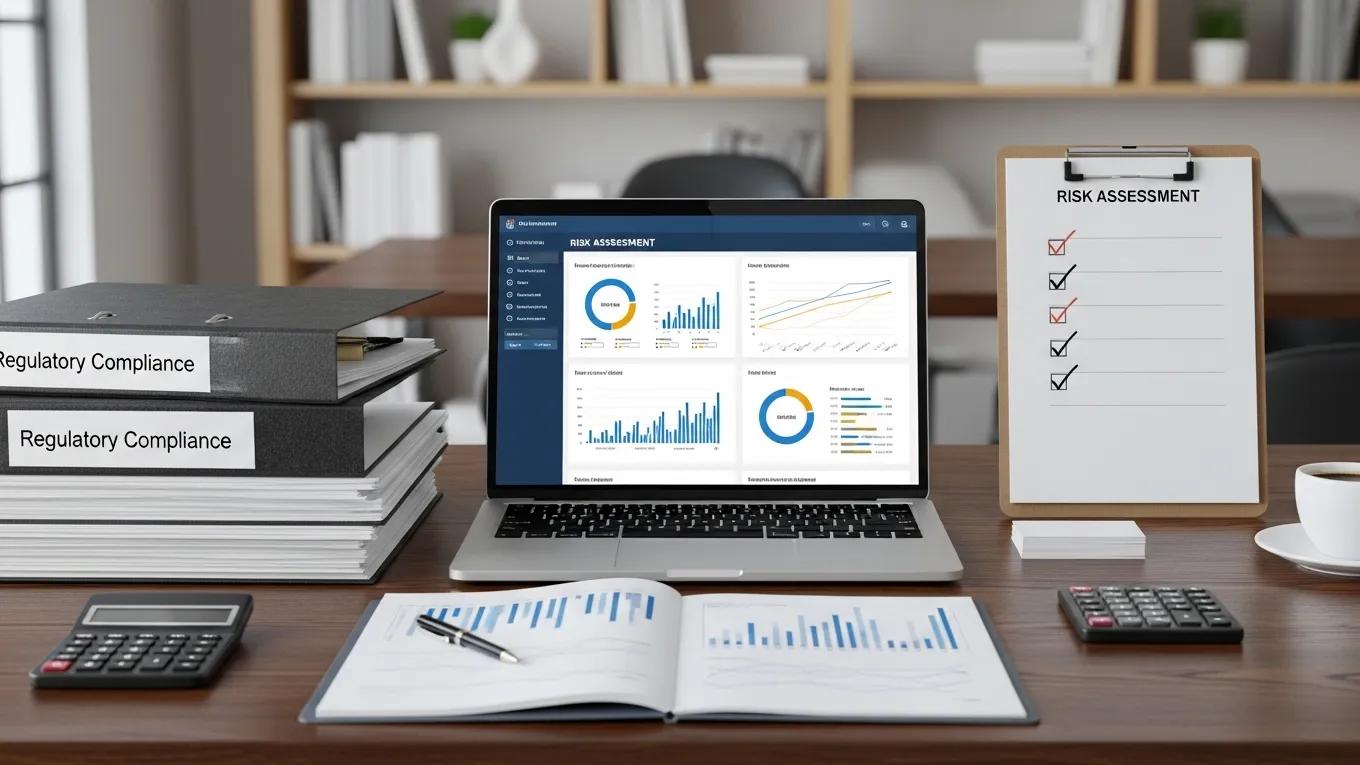
Hazard analysis is supported by a range of tools and techniques that streamline identification and evaluation. Common options include:
- Risk Assessment Software: Digital tools that streamline the risk assessment process, allowing for efficient data collection and analysis.
- Compliance Management Systems: Platforms that help organizations track compliance with safety regulations and standards.
- Data Analytics Platforms: Tools that analyze workplace data to identify trends and potential areas of concern.
Such tools improve the accuracy and efficiency of hazard analysis and enable informed risk decisions.
How Does HR Compliance Reduce Business and Employee Risks?
HR compliance reduces organizational and employee risks through a structured and consistent approach. Core elements include:
- Enhancing Workplace Safety: Ensuring that safety regulations are adhered to, thereby minimizing the risk of accidents and injuries.
- Employee Well-being: Promoting a safe and healthy work environment contributes to employee satisfaction and retention.
- Mitigating Legal Risks: Compliance with labor laws and regulations helps prevent legal disputes and potential financial penalties.
Prioritizing HR compliance strengthens workplace safety while safeguarding the organization’s legal and operational interests.
What Are Essential Elements of an HR Compliance Checklist?
An HR compliance checklist should cover the areas required for regulatory adherence. Core components include:
- Identification of Relevant Regulations: Keeping abreast of applicable labor laws and safety regulations.
- Conducting a Compliance Audit: Regularly reviewing policies and practices to ensure compliance with legal requirements.
- Developing or Updating Policies: Ensuring that workplace policies reflect current regulations and best practices.
These components maintain compliance and support a safe, well‑managed workplace.
How to Align Workplace Policies with Regulatory Requirements?
Aligning workplace policies with regulatory requirements follows a structured process. Key steps include:
- Identify Relevant Regulations: Understanding the specific regulations that apply to the organization’s industry and operations.
- Conduct a Compliance Audit: Reviewing existing policies to identify gaps and areas for improvement.
- Implement Training Programs: Providing training to employees on updated policies and procedures to ensure understanding and compliance.
Aligning policies with regulations reduces the risk of violations and clarifies expectations for employees.
What Strategies Enhance Employee Risk Management and Relations?
Effective employee risk management combines engagement, regular review, and accurate records. Recommended approaches include:
- Employee Engagement: Involving employees in safety discussions and decision-making processes fosters a culture of safety.
- Regular Reviews and Updates: Continuously reviewing and updating safety protocols ensures they remain effective and relevant.
- Documentation and Record Keeping: Maintaining accurate records of safety training, incidents, and compliance efforts supports accountability and transparency.
These measures improve safety outcomes and foster constructive employee relations.
How Can Employee Relations Reduce Workplace Conflicts and Risks?
Strong employee relations reduce conflicts and related risks by fostering open communication and clear procedures. Effective strategies include:
- Fostering a Culture of Safety: Encouraging open communication about safety concerns helps identify and address issues promptly.
- Encouraging Reporting of Hazards: Creating a non-punitive environment for reporting hazards promotes proactive risk management.
- Training for Conflict Resolution: Providing training on conflict resolution equips employees with the skills to address disputes effectively.
Prioritizing employee relations helps create a safer, more collaborative work environment.
What Role Does Training Play in Workforce Risk Reduction?
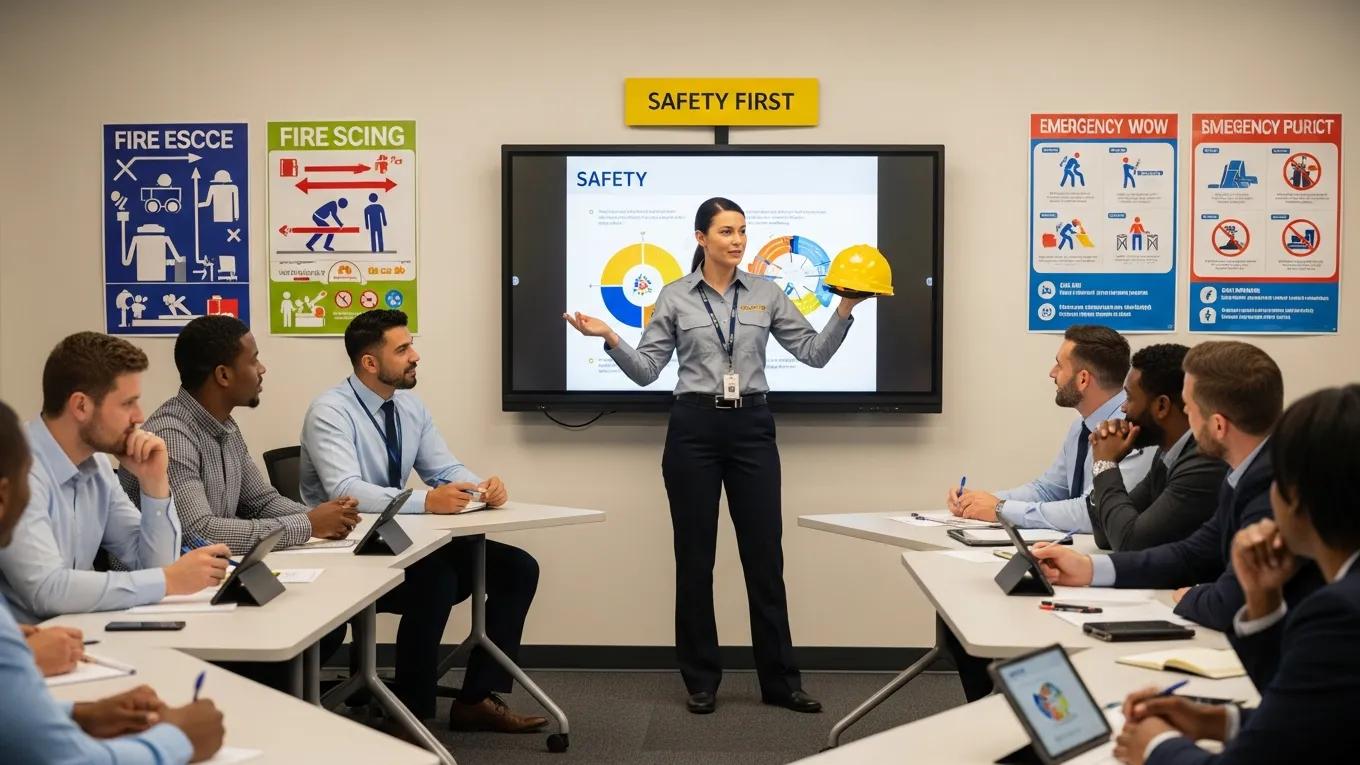
Training reduces workforce risk by delivering essential knowledge and reinforcing compliance. It performs several practical functions:
- Safety Training Programs: Educating employees on safety protocols and procedures reduces the likelihood of accidents.
- Compliance Training: Ensuring employees understand legal requirements helps maintain compliance and mitigate risks.
- Leadership Development: Training leaders in risk management fosters a culture of safety throughout the organization.
Well‑designed training equips employees to manage hazards and supports a consistent safety culture.
How Can Payroll and Documentation Support Risk Mitigation?
Accurate payroll and documentation underpin risk mitigation by ensuring proper classification, compensation and ongoing compliance monitoring. Key aspects include:
- Accurate Payroll Management: Ensuring correct employee classification and compensation reduces the risk of legal disputes.
- Employee Classification: Properly classifying employees helps maintain compliance with labor laws and regulations.
- Compliance Monitoring: Regularly reviewing payroll practices ensures adherence to legal requirements and minimizes risks.
Integrating payroll and records into risk strategies strengthens compliance and reduces potential liabilities.
What Are Best Practices for Payroll Risk Management?
Adopting payroll best practices reduces financial and legal exposure. Core practices include:
- Standardizing Payroll Processes: Establishing consistent payroll procedures reduces errors and discrepancies.
- Utilizing Professional Employer Organizations (PEOs): Partnering with PEOs can provide expertise in payroll compliance and risk management.
- Regular Audits and Assessments: Conducting periodic audits of payroll practices helps identify and address potential issues.
These practices support reliable payroll operations and reduce compliance risk.
How Does Accurate Documentation Improve Compliance and Reduce Liabilities?
Accurate documentation improves compliance and limits liability by providing clear, verifiable records and documented policies. Key benefits include:
- Payroll Accuracy and Tax Compliance: Maintaining precise payroll records ensures compliance with tax regulations and minimizes the risk of penalties.
- Employee Classification Support: Proper documentation supports accurate employee classification, reducing the risk of legal disputes.
- HR Policies and Documentation: Well-documented HR policies provide clarity and guidance, helping to prevent misunderstandings and conflicts.
Prioritizing accurate records enhances compliance, supports classification decisions, and helps protect the organization from disputes.
What Are Scalable Workforce Systems and Outsourced HR Solutions?
Scalable HR systems and outsourced HR solutions provide flexibility and operational efficiency for workforce management. Key features include:
- Structured HR Systems: Implementing structured HR systems streamlines processes and enhances compliance.
- Compliance Management: Outsourced HR solutions provide expertise in navigating complex regulatory environments.
- Ongoing Support and Training: Partnering with HR providers ensures access to continuous support and training for employees.
These solutions enable organizations to adapt to changing workforce needs while maintaining compliance and operational efficiency.
How Do Outsourced HR Partnerships Mitigate Workplace Risks?
Outsourced HR partnerships mitigate workplace risks by supplying expertise and applied processes that organizations may not maintain internally. Typical contributions include:
- Compliance Monitoring: HR partners help organizations stay updated on regulatory changes and ensure compliance.
- Training Programs: Providing training on safety and compliance enhances employee awareness and reduces risks.
- Standardized Processes: Implementing standardized HR processes through outsourcing minimizes errors and enhances efficiency.
Leveraging HR partnerships enables organizations to manage risks effectively while focusing on core business operations.
What Models Support Scalable and Compliant Workforce Management?
Several models support scalable, compliant workforce management. Common models include structured HR systems, compliance-focused frameworks and arrangements that provide ongoing operational support.
- Structured HR Systems: These systems provide a framework for managing HR functions efficiently and effectively.
- Compliance Management: Ensuring compliance with labor laws and regulations is critical for minimizing risks.
- Ongoing Support: Continuous support and training for HR personnel enhance the organization’s ability to adapt to changes.
These approaches establish a resilient workforce strategy that prioritizes compliance and enables scalable operations.
Frequently Asked Questions
What are the benefits of conducting regular workplace risk assessments?
Regular risk assessments identify hazards early, prioritise mitigation based on likelihood and severity, and guide resource allocation. They reinforce a safety culture, help organizations adapt to operational change, and contribute to improved morale and productivity.
How can organizations ensure employee participation in safety training?
To encourage participation, communicate the training objectives and benefits clearly. Offer flexible schedules and multiple delivery formats, involve employees in content development, and recognise participation to increase engagement and reinforce a proactive safety culture.
What role does leadership play in promoting workplace safety?
Leaders set the standard for safety through visible commitment, participation in training and consistent adherence to protocols. They should solicit employee feedback and allocate appropriate resources. Visible leadership fosters accountability and reinforces safe behaviour across the organization.
How can technology enhance workplace safety and compliance?
Technology enhances safety and compliance by streamlining risk assessment workflows, tracking regulatory adherence, and analysing incident data to identify trends. These capabilities support proactive risk management and enable better-informed safety decisions.
What are the consequences of non-compliance with workplace safety regulations?
Non-compliance can result in financial penalties, higher insurance costs, legal liability and reputational damage. It can erode employee morale and hinder talent attraction. Maintaining compliance protects the organization’s financial position and public standing.
How can organizations measure the effectiveness of their safety programs?
Measure safety programme effectiveness using KPIs such as incident rates, near‑miss reports and employee feedback. Regular audits, inspections and training assessments identify gaps and verify adherence to standards, enabling targeted improvements.
—
About the Author
This article was reviewed by Josh Henderson, Founder of Denali HR. Denali HR, based in Salt Lake City, Utah, provides payroll services, employee benefits administration, HR support, and risk management solutions for small and mid-sized businesses. Founded in 2019, the company focuses on delivering personalized HR support without the complexity of large PEO providers.