
Pre-Employment Assessment Tools and Best Practices: Effective Employment Skills Testing for Hiring Success
By Josh Henderson, Denali HR
Pre-employment assessments are a core element of modern hiring strategy. They enable employers to measure skills, cognitive capacity, and role fit, while streamlining selection workflows and reducing the likelihood of costly hiring errors. This article outlines key methodologies, recommended practices, and the main assessment types organizations use today. When applied correctly, these strategies improve hiring outcomes and support the development of a more capable workforce.
Demand for consistent, structured candidate evaluation is growing across sectors. This guide explains the methodologies behind pre-employment assessments, highlights essential tools and compliance considerations, and examines the benefits of integrating assessments into outsourced HR services. Each section offers practical guidance to optimize hiring while maintaining rigorous, fair candidate evaluation.
Leveraging Pre-Employment Assessments for Hiring Success
Pre-employment assessments use multiple methodologies to provide a well-rounded view of candidate suitability. These approaches promote fairness and help identify qualified applicants objectively. Core methodologies include structured interviews, cognitive testing, and role-specific skills assessments.
Structured interviews standardize questions and scoring, reducing subjectivity and enabling consistent comparison between candidates. Cognitive tests assess problem-solving and reasoning, while skills assessments measure practical, job-related competencies. When combined with applicant tracking systems, these methodologies create an organized framework that reduces decision errors and manages candidate data efficiently.
Best Practices
Adopting established best practices is essential for reliable assessment outcomes. Key steps include defining precise job requirements and tracking talent acquisition metrics. These measures ensure assessments align with role expectations and organizational objectives, resulting in better matches between candidates and positions.
- Define Clear Job Descriptions: Establish well-defined job descriptions to clarify the skills, competencies, and behaviors required for success in each role.
- Measure Talent Acquisition Outcomes: Regularly evaluate the effectiveness of the hiring process to refine assessment strategies and make data-driven adjustments.
- Ensure Compliance with Laws: Take proactive measures to align assessments with legal standards, minimizing risk and supporting fair hiring practices.
After implementing these practices, organizations may engage specialist partners such as Denali HR to manage complex HR functions and help ensure that hiring processes remain compliant and effective.
What Are the Key Types of Pre-Employment Assessment Tools?
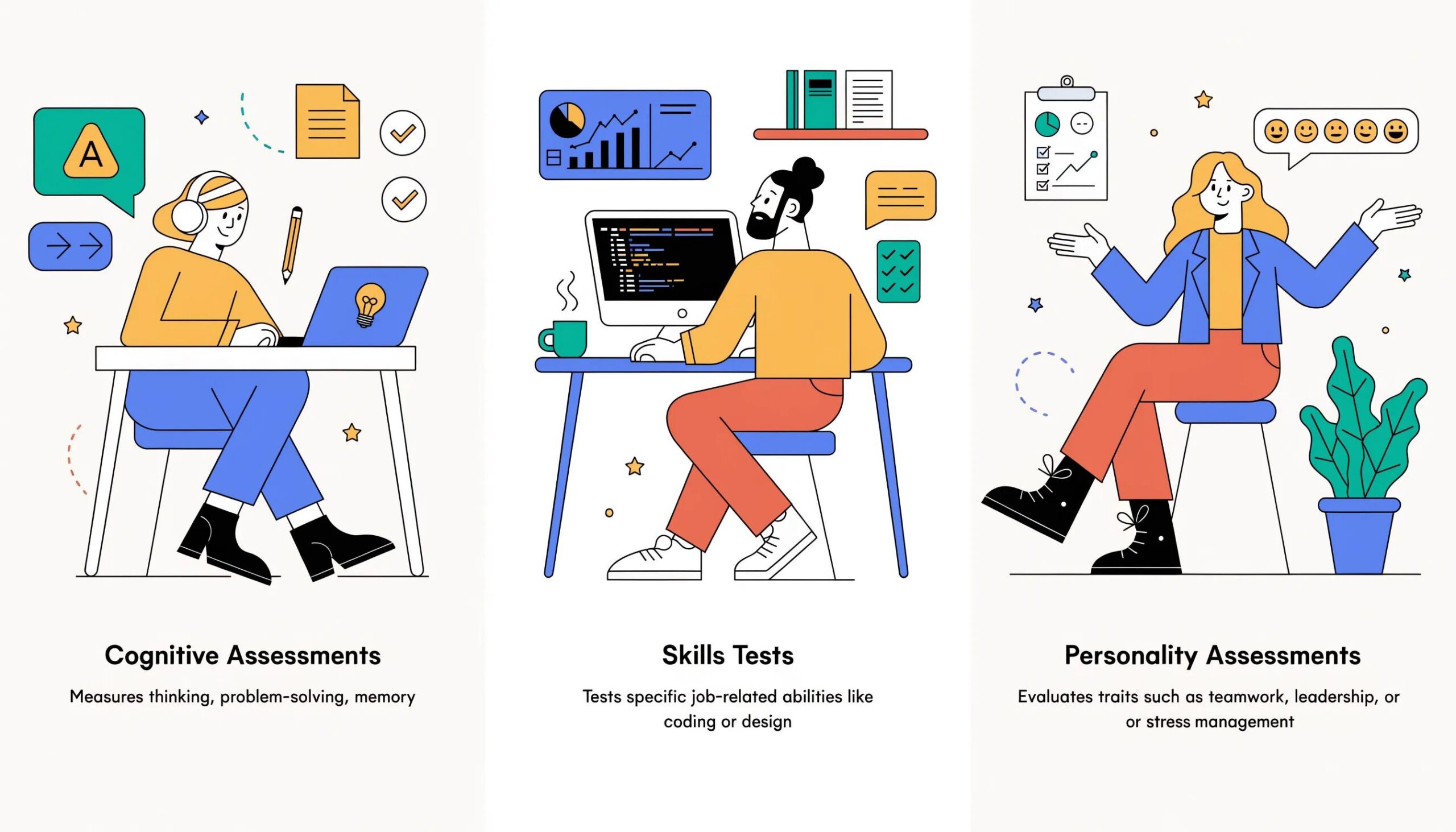
Selecting appropriate assessment tools requires understanding what each category measures. Different tools reveal distinct candidate attributes and, together, support a comprehensive evaluation. The main categories are cognitive assessments, skills tests, and personality assessments.
Cognitive assessments evaluate intellectual abilities such as problem-solving, analytical thinking, and learning agility. Skills tests measure specific, job-related competencies to demonstrate practical proficiency. Personality assessments evaluate behavioral tendencies and cultural fit, which supports team cohesion, engagement, and retention.
How Do Cognitive and Skills Tests Evaluate Candidate Aptitude?
Cognitive tests measure critical thinking, logical reasoning, and problem-solving, offering insight into how candidates will approach complex tasks. Skills tests focus on applied abilities relevant to the role, such as technical coding skills, writing ability, or sales techniques. Using both together delivers a more complete picture of a candidate’s aptitude and likely job performance.
What Role Do Personality Assessments and Background Checks Play in Candidate Screening?
Personality assessments help determine whether an applicant’s behavioral traits align with team dynamics and organizational values, informing long-term fit. Background checks verify qualifications and employment history and screen for issues that could affect workplace safety or integrity. Combined, these evaluations provide a holistic candidate profile that supports more informed selection decisions.
How Does Compliance Impact the Use of Hiring Assessment Tools?
Compliance is a fundamental factor when deploying pre-employment assessments. Employers must follow legal frameworks that govern testing, including guidance from the Equal Employment Opportunity Commission (EEOC) and provisions under the Americans with Disabilities Act (ADA), to mitigate discrimination risks.
Assessments must be fair, validated, and non-discriminatory. Failure to validate tools or apply them consistently can expose an organization to legal and reputational risk. Regular validation ensures that tools accurately measure the constructs they are designed to assess and remain defensible over time.
Which EEOC and ADA Guidelines Govern Pre-Employment Testing?
EEOC guidance addresses practices that may result in unlawful discrimination based on protected characteristics such as race, sex, age, or disability. The ADA restricts discriminatory treatment of applicants with disabilities and sets rules for medical inquiries and accommodations. Adherence to these regulations helps ensure testing procedures do not disadvantage protected groups and supports legally compliant assessment strategies.
What Are Best Practices for Ensuring Legally Compliant Assessments?
To maintain compliance, organizations should validate assessment tools before use and document procedures throughout the hiring process. Comprehensive records demonstrate transparency and can serve as evidence if a process is challenged. Routine reviews of assessment instruments, scoring practices, and related policies help ensure ongoing alignment with current legal standards and case law.
What Criteria Should Guide the Selection of Effective Pre-Employment Assessment Tools?
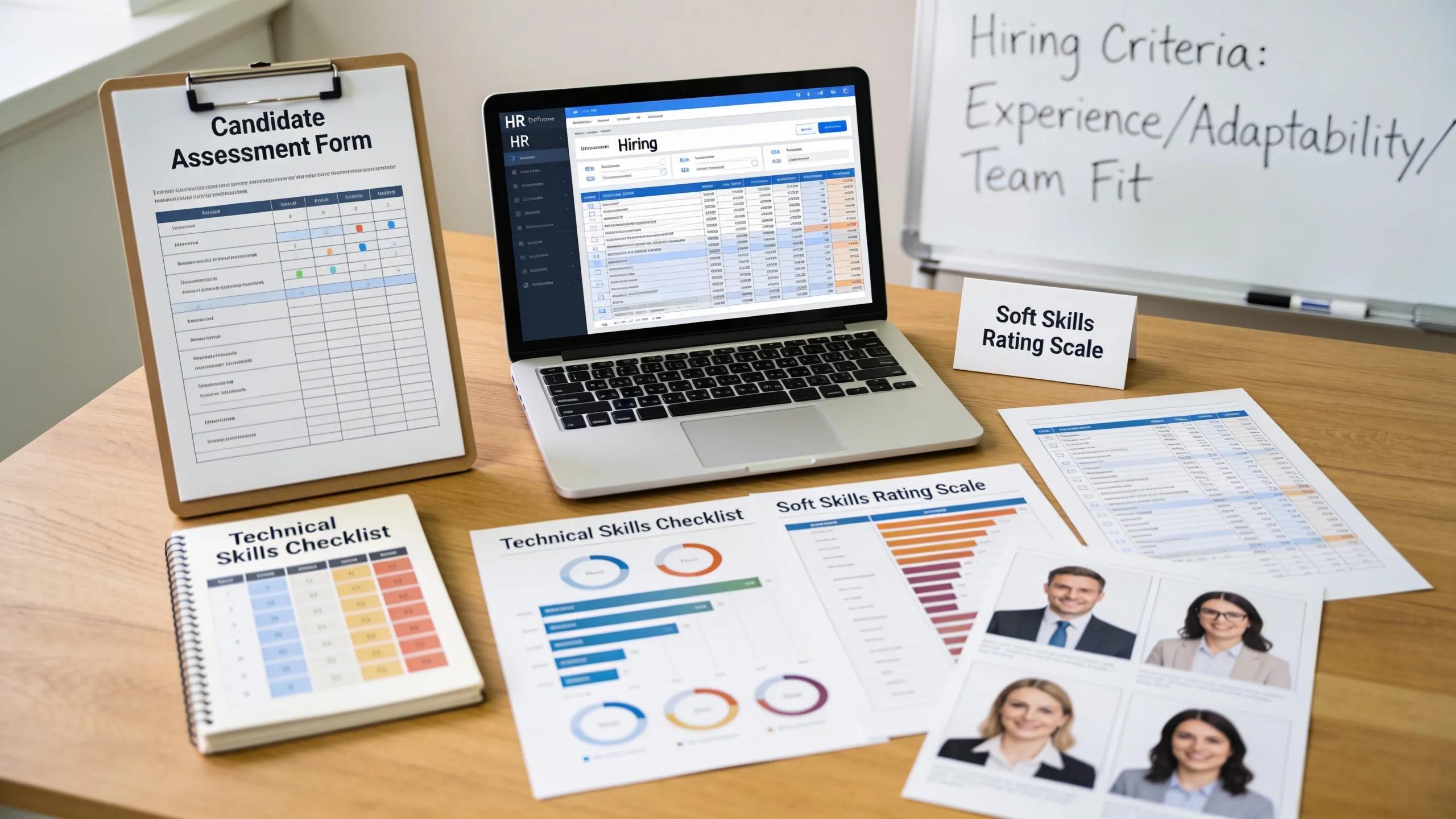
Choosing assessment tools should be driven by objective criteria that predict job performance. Critical considerations include validity, which indicates whether the tool measures what it claims to measure, and reliability, which reflects the consistency of results over time.
Reliable tools produce stable outcomes across administrations and candidate groups. Valid tools correlate with relevant job outcomes, such as performance ratings, productivity, or retention. Prioritizing instruments with a strong research base and clear technical documentation improves hiring accuracy and strengthens workforce alignment.
How Do Validity and Reliability Influence Assessment Tool Performance?
Validity and reliability underpin assessment effectiveness. Valid instruments predict job performance and other meaningful outcomes. Reliable instruments produce consistent scores across time, contexts, and raters. For example, standardized cognitive tests with substantial research support tend to deliver predictable, defensible results. Selecting assessments that meet these standards helps reduce turnover and supports stronger organizational performance.
What Factors Support Integrating Assessments into Outsourced HR Services?
Integrating assessments into outsourced HR services streamlines hiring and reinforces compliance. Key supporting factors include access to assessment expertise, structured evaluation processes, and consistent application of validated tools.
Outsourcing provides organizations with specialized resources and governance practices that may be difficult to maintain in-house. Partnering with experienced providers enhances recruitment quality and helps ensure that assessment administration, scoring, and record-keeping align with regulatory expectations.
What Benefits Do Outsourced HR Services Offer in Workforce Screening Solutions?
Outsourced HR services deliver measurable benefits for workforce screening, including comprehensive candidate evaluation, proactive compliance oversight, and more efficient hiring workflows. These services reduce administrative burden while standardizing assessment practices.
Organizations can realize lower recruitment overhead and focus on core business priorities. Outsourced providers commonly leverage advanced platforms, data analytics, and large talent databases that increase assessment quality and improve candidate-role matches.
How Does Outsourcing Reduce Hiring Risk Through Structured Assessments?
Outsourcing reduces hiring risk by applying standardized assessment methodologies that ensure candidates are evaluated consistently and without undue bias. Reputable HR partners bring domain knowledge, benchmarking data, and proven tools that strengthen selection decisions and lower the likelihood of poor hires.
In What Ways Can Denali HR Support Scalable Hiring and Compliance?
Denali HR offers scalable hiring solutions tailored to organizational needs. Services include compliance management, assessment strategy design, and end-to-end candidate support, from sourcing and screening through onboarding. This approach simplifies HR operations and helps organizations respond effectively to evolving workforce requirements and growth.
How Can Businesses Implement Best Practices in Pre-Employment Candidate Evaluation?
Implementing best practices requires a structured framework for candidate evaluation and a commitment to regular review. Update assessment instruments and procedures in line with current research, legal guidance, and operational feedback to preserve effectiveness.
Maintaining precise job descriptions and employing multiple, validated assessment tools fosters a standardized evaluation process that improves consistency and decision quality. Aligning assessments with core competencies and business goals ensures that hiring decisions support long-term strategy.
What Structured Processes Optimize Candidate Screening Efficiency?
Structured processes such as applicant tracking systems, standardized interview formats, and clearly defined scoring rubrics increase screening efficiency. Automated workflows can sort applicants against predefined criteria, reduce time-to-hire, and improve overall candidate quality.
How Do Ongoing Updates and Monitoring Ensure Assessment Effectiveness?
Continuous monitoring and periodic updates are necessary to keep assessments relevant, fair, and reliable. Establish metrics to track tool performance—such as pass rates, correlations with job performance, and adverse impact analyses—then review outcomes and adjust instruments based on evidence and stakeholder feedback.
By prioritizing continuous improvement and aligning assessments with organizational goals, businesses can refine hiring performance, enhance recruitment results, and build stronger, more resilient teams.
Frequently Asked Questions
What is the importance of fairness in pre-employment assessments?
Fairness ensures candidates are evaluated solely on job-relevant abilities, supporting merit-based selection and legal compliance. Applying standardized methods such as structured interviews and validated tests reduces bias, promotes diversity, and strengthens the organization’s reputation among applicants.
How can companies evaluate the effectiveness of their assessment tools?
Evaluate effectiveness by monitoring KPIs such as turnover, time-to-productivity, quality-of-hire, and hiring manager satisfaction. Conduct regular audits of assessment validity and reliability, review adverse impact, and gather feedback from stakeholders to make informed, data-driven refinements.
What are some common challenges faced when implementing assessment tools?
Common challenges include stakeholder resistance, insufficient training, poor alignment between assessments and job requirements, and lack of clear communication with candidates. Cultural relevance and potential adverse impact also require attention. Address these issues through targeted training, pilot testing, clear governance, and ongoing validation.
How can businesses ensure compliance with local and federal regulations?
To ensure compliance, stay current with EEOC and ADA guidance, as well as relevant state and local regulations. Perform routine audits, document assessment procedures and decision criteria, and maintain clear records. When necessary, seek legal review of tools and practices to reduce exposure to regulatory risk.
What role does technology play in enhancing pre-employment assessments?
Technology automates and scales assessment administration, provides analytics on outcomes, and integrates with applicant tracking systems. Advanced platforms enable tailored assessments, remote and mobile testing, and real-time reporting, all of which improve the consistency, speed, and transparency of candidate evaluation.
How can organizations manage candidate data securely during assessments?
Secure candidate data by implementing encryption, strict access controls, role-based permissions, and compliance with data protection laws such as GDPR or CCPA, where applicable. Communicate data-use and retention policies to candidates, and conduct regular security reviews and audits to reduce breach risk.
What trends are emerging in the field of pre-employment assessments?
Emerging trends include the use of advanced analytics and AI to interpret assessment results, gamified assessments to enhance candidate engagement, and remote, on-demand testing solutions. There is also a growing emphasis on evaluating soft skills, learning agility, and cultural fit alongside technical competencies to better predict long-term success.
About the Author
This article was reviewed by Josh Henderson, Founder of Denali HR. Denali HR, based in Salt Lake City, Utah, provides payroll services, employee benefits administration, HR support, and risk management solutions for small and mid-sized businesses. Founded in 2019, the company focuses on delivering personalized HR support without the complexity of large PEO providers.