
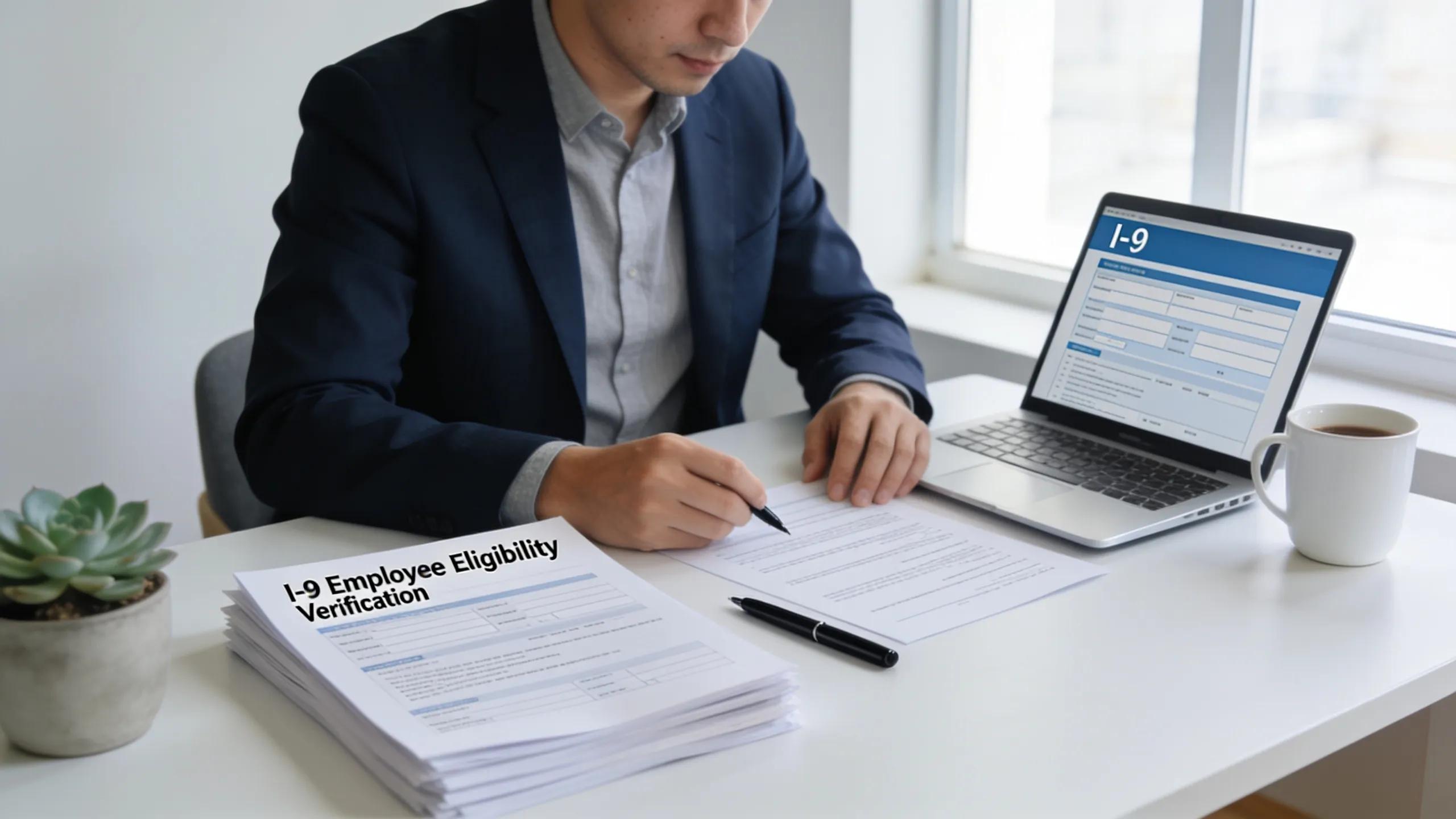
Mastering I-9 Compliance and Remote Verification
By Josh Henderson, Denali HR
As remote work expands, mastery of I-9 compliance is essential for employers to meet their obligations. Form I-9, required by U.S. Citizenship and Immigration Services (USCIS), verifies an individual’s eligibility to work. Many organizations encounter challenges when completing and verifying these forms in remote hiring scenarios. This article clarifies the requirements and processes for I-9 compliance and outlines the advantages of secure electronic systems. It covers employer responsibilities, remote verification procedures, audit-readiness best practices, and how Denali HR supports compliance through expert solutions.
What Are Employer Responsibilities for I-9 Compliance in Remote Hiring?
Employers must implement procedures to ensure timely I-9 completion in remote hiring. Federal law requires verification of identity and employment eligibility using Form I-9 within three business days of an employee’s start date. Non-compliance may result in significant fines and legal consequences. Adequate training and reliable systems are necessary to ensure accurate completion and verification across a distributed workforce.
Who Must Complete Form I-9 and When Is Verification Required?
All U.S. employers must complete Form I-9 for new hires, regardless of the employee’s citizenship or immigration status. The form documents identity and work authorization, and verification must occur within three business days of the start date. Failure to meet this timeline or to complete the form correctly can lead to substantial penalties.
What Are the I-9 Electronic Signature Requirements for Remote Employees?
Electronic signatures are permitted when used in systems that meet applicable legal and record-retention standards. Employers should deploy robust electronic platforms that preserve signature integrity and maintain required audit records. Proper technology integration makes the process secure, verifiable, and more efficient while supporting compliance obligations.
How Does Remote I-9 Verification Work: Rules and Best Practices?
Remote I-9 verification requires familiarity with regulatory rules and implementation of best practices to maintain compliance. Key elements include designated authorized representatives and secure verification workflows that protect document integrity and evidentiary value.
What Are the Current Remote Hiring I-9 Guidelines for Authorized Representatives?
Authorized representatives act on the employer’s behalf to inspect and verify employee documents. Under USCIS guidance, they must authenticate presented documents and confirm their relevance. Training is essential so representatives understand acceptable documents and selection criteria, reducing the risk of errors that could compromise compliance.
What Are the Secure Methods for Virtual I-9 Completion and Document Verification?
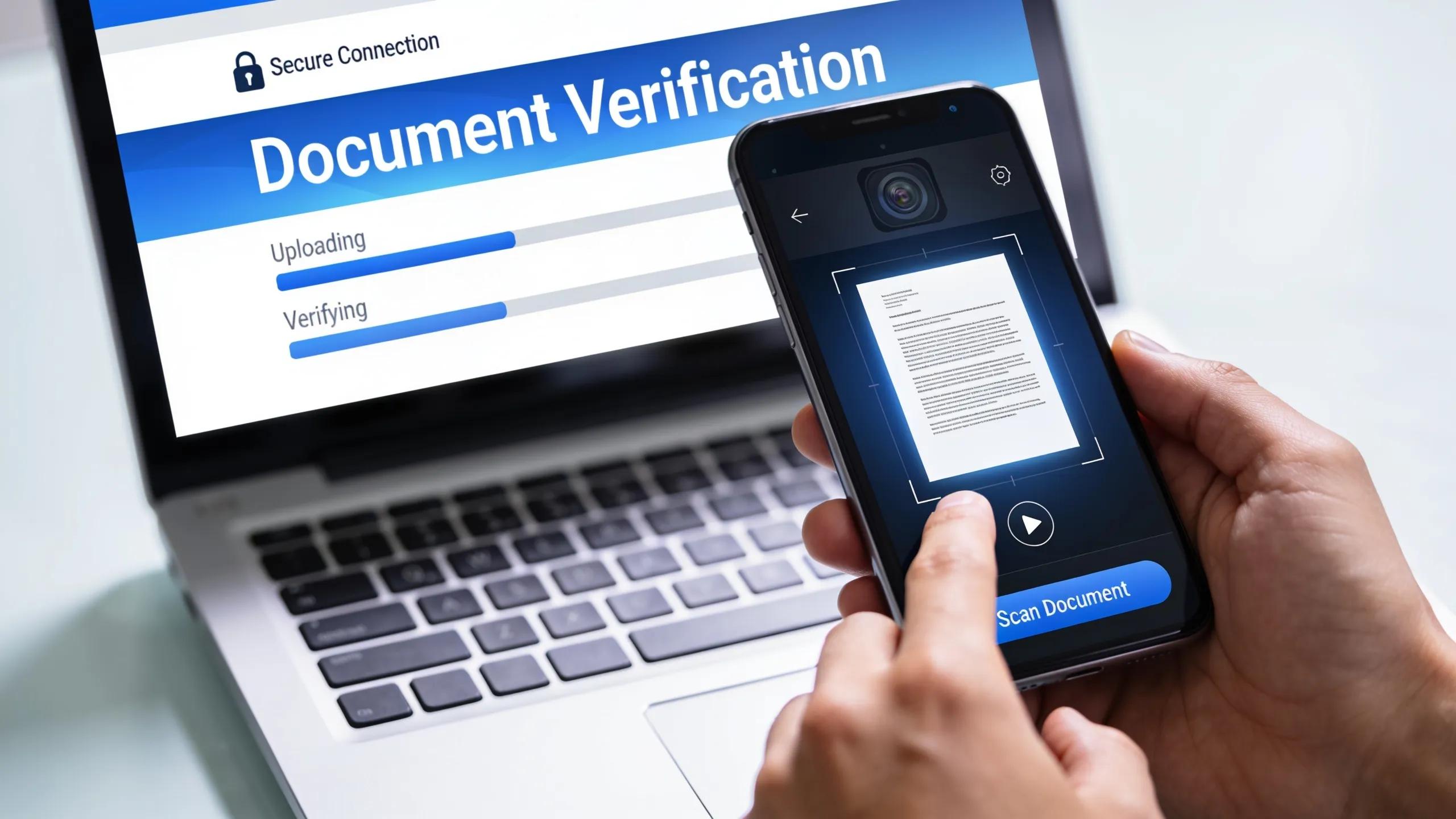
Secure options for virtual I-9 completion include encrypted platforms for document upload and verification with multi-factor authentication. Systems that provide immutable audit trails and access controls preserve a clear record of actions. Employing these measures aligns with regulatory expectations and reassures employees that their sensitive data is handled appropriately.
What Are the Benefits and Implementation Strategies of a Paperless I-9 Process?
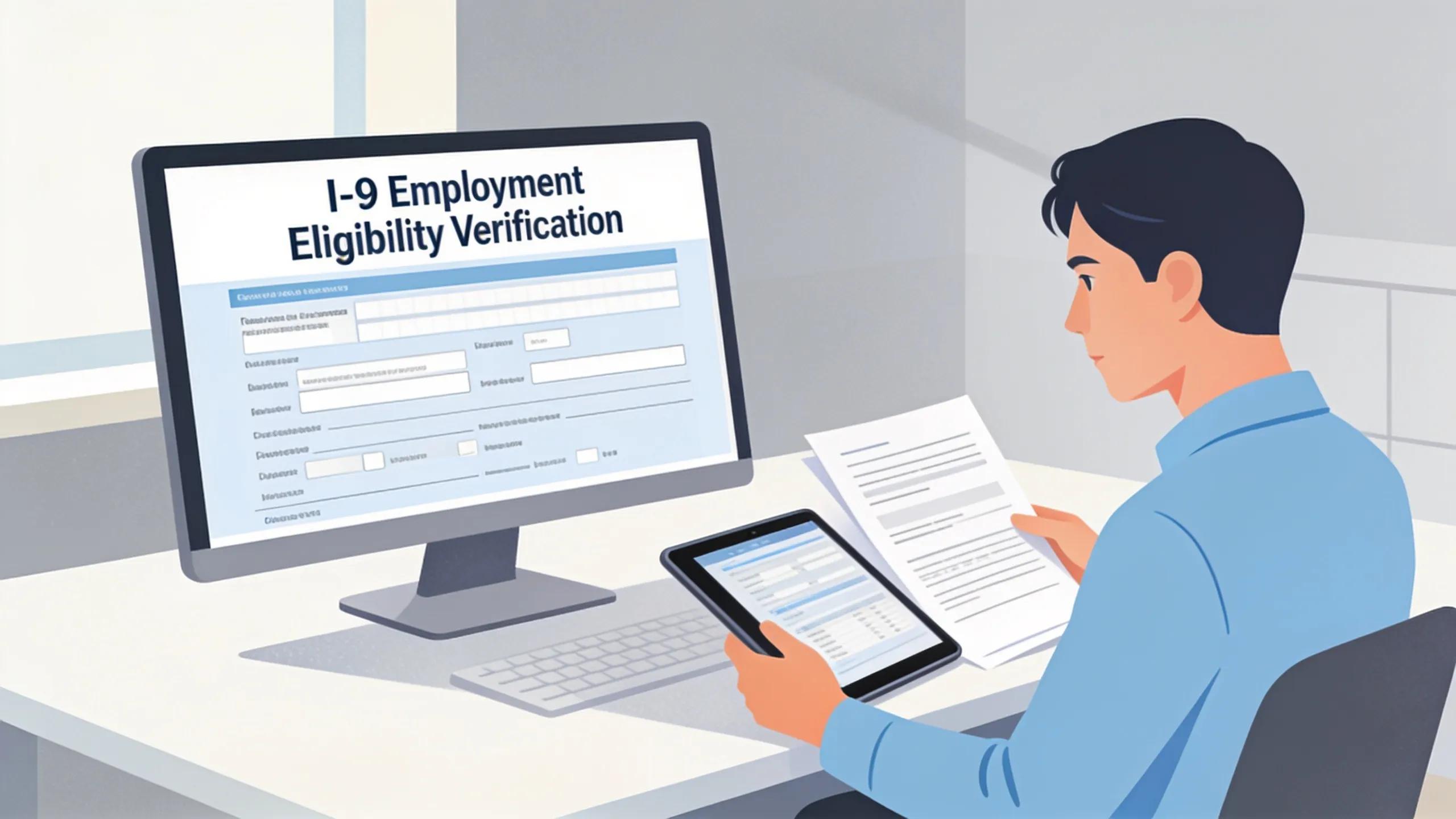
Adopting a paperless I-9 process delivers measurable benefits: improved efficiency, fewer errors, and stronger recordkeeping. Digital solutions streamline onboarding and simplify audit preparation by centralizing documents and automating routine tasks.
How Does Electronic I-9 Software Enhance Compliance and Efficiency?
Electronic I-9 software automates repetitive steps and organizes records for swift retrieval during audits. Features such as automated expiration reminders and compliance checks maintain current documentation. These capabilities reduce administrative burden and lower the risk of violations caused by oversight.
How Can Employers Prepare for I-9 Audits and Avoid Penalties?
Audit preparation requires accurate recordkeeping and ongoing training on compliance procedures. Establishing a scheduled audit routine helps identify and correct issues before a regulatory inspection occurs.
What Are Common I-9 Document Verification Rules and Errors to Avoid?
Fundamental rules include accepting only authorized documents and verifying them in a timely manner. Common errors include incomplete forms and missed deadlines. Implementing verification checks and quality controls reduces the likelihood of non-compliance and associated penalties.
What Steps Constitute Effective I-9 Audit Readiness for Remote Workforces?
Effective audit readiness combines complete I-9 records with documented training for authorized representatives. Regular updates on regulatory changes and periodic mock audits help identify compliance gaps and reinforce organizational adherence to I-9 requirements.
How Does Denali HR Support Businesses with I-9 Remote Verification Solutions?
Denali HR delivers tailored I-9 remote verification services that simplify compliance for organizations of varying sizes. By outsourcing these tasks, companies can maintain compliance and operational efficiency while focusing internal resources on core business priorities.
What Outsourced I-9 Verification Services Does Denali HR Provide?
Denali HR offers end-to-end outsourced I-9 services, including document inspection and compliance record management. These services reduce administrative workload and help ensure adherence to federal requirements. They are designed to integrate with existing HR systems to improve overall operational efficiency.
How Does Denali HR’s Electronic I-9 Management Streamline Remote Compliance?
Denali HR’s electronic I-9 management integrates with standard HR tools and provides real-time tracking of verification status. This supports a consistent onboarding experience and ensures immediate access to compliant records, helping organizations remain audit-ready and minimize risks related to remote hires.
Frequently Asked Questions
What are the penalties for non-compliance with I-9 regulations?
Non-compliance can result in substantial penalties. Monetary fines typically range from $250 to $2,000 per violation, depending on severity and whether violations are repeated. In cases of knowing employment of unauthorized workers, criminal charges may apply. Beyond fines, regulatory enforcement can cause reputational and operational harm.
Can I-9 forms be completed during video calls?
Yes. I-9 verification may be conducted via video call when employers follow USCIS guidelines. An authorized representative may inspect documents during the call, verify their authenticity, and ensure that Form I-9 is completed within the required timeframe, preserving compliance while enabling remote hiring.
How can remote employees securely submit their I-9 documents?
Remote employees should submit documents through trusted electronic platforms that use encryption, secure upload mechanisms, and multi-factor authentication. Employers should select software that ensures data privacy and provides an auditable trail to protect sensitive information during submission.
What should employers do if they discover errors on completed I-9 forms?
Errors should be corrected promptly. Minor mistakes, such as typographical errors, may be amended on the original form; significant errors typically require completion of a new Form I-9 while retaining the original for records. Regular internal audits reduce the incidence of such errors.
Are there specific I-9 guidelines for seasonal or temporary employees?
Yes. Employers must complete Form I-9 for all new hires, including seasonal and temporary workers. Verification requirements do not change based on employment duration; the three-business-day rule still applies. Consistent application of verification procedures for temporary staff prevents avoidable penalties.
What resources are available for employers seeking I-9 compliance training?
Employers can access training through USCIS guidance, webinars, and online courses. Professional organizations and HR consulting firms, including Denali HR, provide tailored training programs. These resources help teams remain informed about current regulations and reduce compliance risk.
About the Author
This article was reviewed by Josh Henderson, Founder of Denali HR. Denali HR, based in Salt Lake City, Utah, provides payroll services, employee benefits administration, HR support, and risk management solutions for small and mid-sized businesses. Founded in 2019, the company focuses on delivering personalized HR support without the complexity of large PEO providers.