

Optimizing Timekeeping & Wage Compliance for Payroll
By Josh Henderson, Denali HR
Effective timekeeping is essential for businesses to ensure payroll accuracy and compliance with labor laws. A well-structured timekeeping system not only tracks employee hours but also helps in managing overtime and wage compliance, which are critical for maintaining a fair workplace. This guide will delve into the mechanisms of effective timekeeping systems, the regulations surrounding overtime, and strategies for maintaining wage compliance. By understanding these elements, business owners can mitigate legal risks and enhance their workforce management practices.
In this article, we will explore the importance of effective timekeeping systems, federal and state overtime regulations, methods for maintaining wage compliance, and the integration of payroll systems. Additionally, we will discuss how compliance reporting can enhance adherence to wage and hour laws, and examine effective employee scheduling and attendance tracking solutions.
How Can Effective Timekeeping Systems Ensure Payroll Accuracy and Compliance?
Effective timekeeping systems are crucial for ensuring payroll accuracy and compliance with labor regulations. These systems track employee hours worked, manage overtime, and provide necessary documentation for compliance audits. By implementing a robust timekeeping system, businesses can reduce errors in payroll processing and ensure that employees are compensated fairly for their work.
Key features of effective timekeeping systems include automated time tracking, integration with payroll systems, and compliance support. These features streamline the process of recording hours worked and calculating wages, which ultimately leads to improved accuracy in payroll processing. Furthermore, businesses can implement compliance measures to adhere to labor laws and regulations, reducing the risk of legal issues.
Denali HR specializes in simplifying complex HR functions, including timekeeping and payroll compliance. By offering integrated solutions that streamline employee time tracking and payroll support, Denali HR helps businesses reduce legal risks and improve wage and hour compliance.
What Types of Employee Time Tracking Software Are Best for Businesses?
When selecting employee time tracking software, businesses should consider several factors to ensure they choose the best solution for their needs. The most effective time tracking software typically includes features such as:
- Automatic Time Tracking: This feature allows employees to clock in and out seamlessly, reducing the likelihood of errors associated with manual entry.
- Integration with Payroll Systems: A time tracking solution that integrates with payroll software can streamline the payroll process, ensuring accurate calculations and timely payments.
- Compliance Support: Software that provides compliance features helps businesses adhere to labor laws and regulations, minimizing the risk of penalties.
By evaluating these features, businesses can select a time tracking solution that enhances their payroll accuracy and compliance efforts.
What Are the Steps to Implement a Compliant Timekeeping System?
Implementing a compliant timekeeping system involves several key steps that ensure the system meets both business needs and regulatory requirements. These steps include:
- Assessing Needs: Evaluate the specific timekeeping requirements of your business, including the number of employees and the complexity of payroll calculations.
- Selecting a System: Choose a timekeeping system that aligns with your business needs and offers the necessary features for compliance.
- Training Staff: Provide training for employees on how to use the new timekeeping system effectively, ensuring they understand the importance of accurate time tracking.
By following these steps, businesses can establish a compliant timekeeping system that supports payroll accuracy and regulatory adherence.
What Are the Federal and State Overtime Regulations Businesses Must Follow?
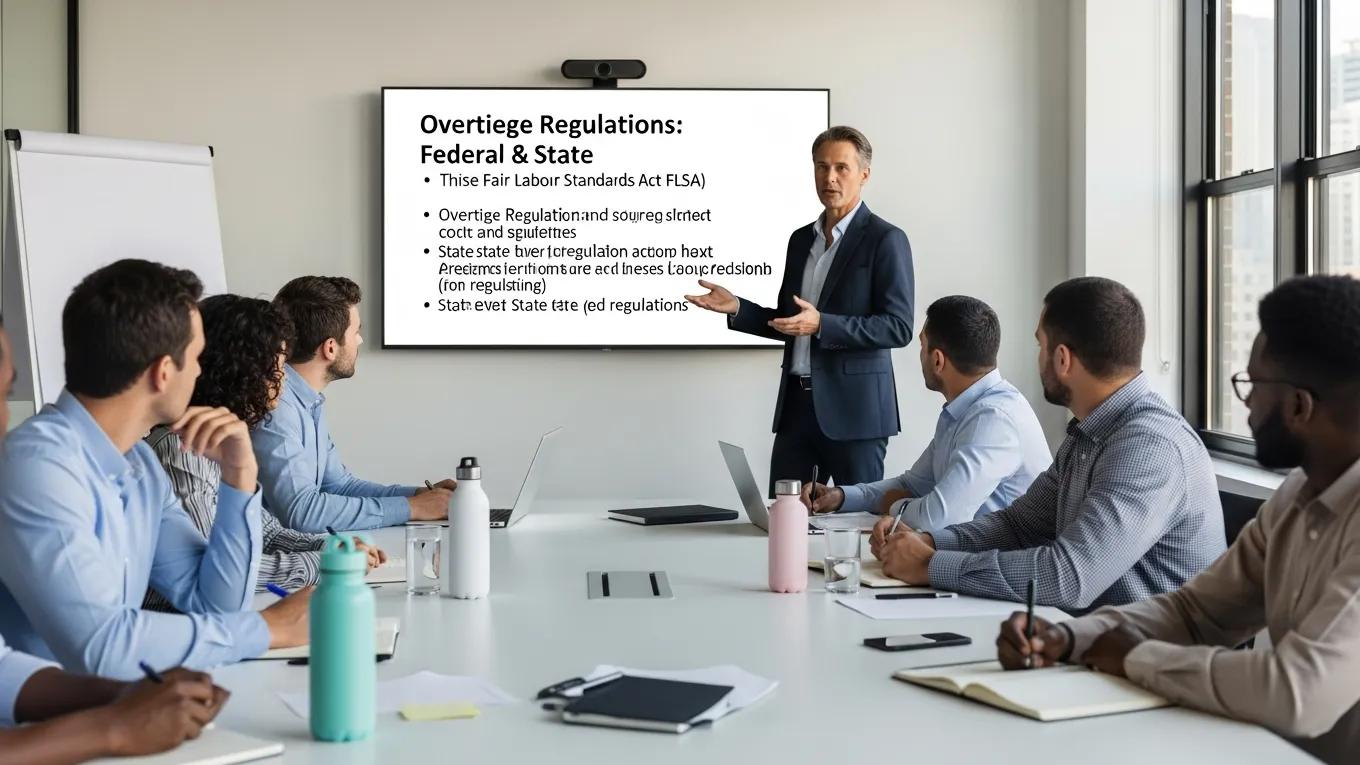
Understanding federal and state overtime regulations is essential for businesses to ensure compliance and avoid potential legal issues. The Fair Labor Standards Act (FLSA) sets the federal standard for overtime pay, requiring that eligible employees receive time and a half for hours worked over 40 in a workweek.
How Do Federal Overtime Calculation Rules Affect Payroll?
Federal overtime calculation rules impact payroll by establishing the criteria for determining which employees are eligible for overtime pay. Employers must accurately track hours worked and apply the correct overtime rate to ensure compliance. For example, if an employee earns $20 per hour, their overtime rate would be $30 per hour for any hours worked beyond 40 in a week.
What Are Key State Variations in Overtime Laws to Consider?
In addition to federal regulations, businesses must also be aware of state-specific overtime laws, which can vary significantly. Some states have more stringent requirements than the federal standard, including:
- Daily Overtime: Certain states require overtime pay for hours worked over 8 in a single day, in addition to the weekly threshold.
- Higher Minimum Wage: States may have a higher minimum wage, which affects the calculation of overtime pay.
Understanding these variations is crucial for businesses to maintain compliance and avoid penalties.
How Can Businesses Maintain Wage Compliance and Proper Documentation?
Maintaining wage compliance involves implementing best practices for employee time tracking and ensuring that all necessary documentation is in place. This includes keeping accurate records of hours worked, wages paid, and any deductions made.
What Documentation Is Required for Wage and Hour Law Compliance?
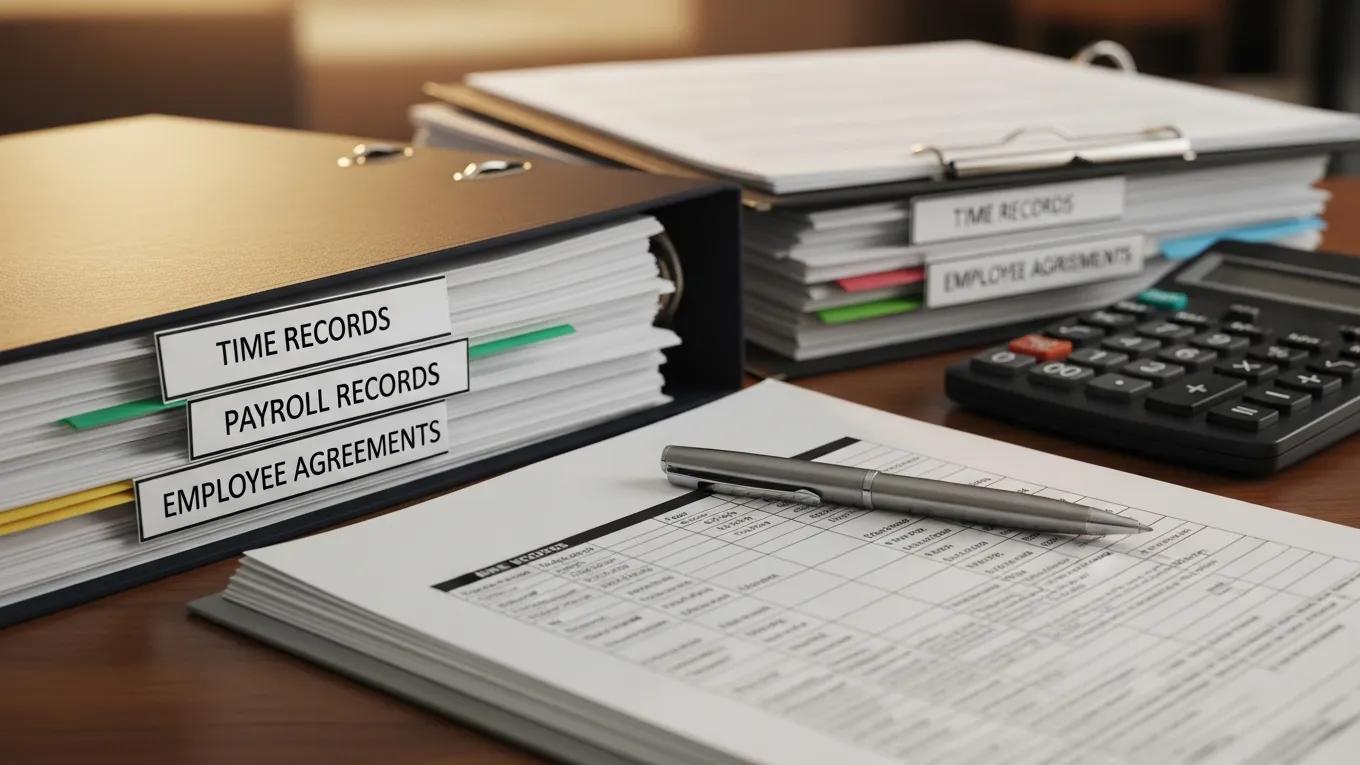
To comply with wage and hour laws, businesses must maintain specific documentation, including:
- Time Records: Detailed records of hours worked by each employee.
- Payroll Records: Documentation of wages paid, including overtime calculations.
- Employee Agreements: Written agreements outlining pay rates and any applicable deductions.
Having these documents readily available is essential for demonstrating compliance during audits.
How Should Businesses Prepare for Payroll Audits to Reduce Risk?
Preparing for payroll audits involves several proactive steps, including:
- Conducting Regular Audits: Regularly review payroll records to identify and correct any discrepancies.
- Ensuring Accurate Record-Keeping: Maintain organized and up-to-date records to facilitate the audit process.
- Training Staff: Educate employees on compliance requirements and the importance of accurate timekeeping.
By taking these steps, businesses can reduce the risk of non-compliance and ensure a smooth audit process.
How Does Payroll Integration Support Timekeeping and Compliance Efforts?
Integrating payroll systems with timekeeping solutions enhances compliance efforts by streamlining data transfer and reducing the likelihood of errors. This integration allows for real-time updates to payroll calculations based on hours worked, ensuring that employees are paid accurately and on time.
What Are Best Practices for Integrating Timekeeping with Payroll Services?
To maximize the benefits of payroll integration, businesses should follow these best practices:
- Choose Compatible Systems: Select timekeeping and payroll systems that are designed to work together seamlessly.
- Automate Data Transfer: Implement automated processes for transferring timekeeping data to payroll systems to minimize manual entry errors.
- Regularly Review Integration: Periodically assess the integration to ensure it continues to meet business needs and compliance requirements.
By adhering to these best practices, businesses can enhance their payroll accuracy and compliance efforts.
How Can Compliance Reporting Enhance Wage and Hour Law Adherence?
Compliance reporting plays a vital role in ensuring that businesses adhere to wage and hour laws. By generating regular reports on employee hours, wages, and compliance metrics, businesses can identify potential issues and take corrective action before they escalate.
What Are Effective Employee Scheduling and Attendance Tracking Solutions?
Effective employee scheduling and attendance tracking solutions are essential for managing workforce productivity and ensuring compliance with labor laws. These solutions help businesses optimize staff allocation and monitor attendance patterns.
How Do Time Clock Systems for Businesses Improve Attendance Accuracy?
Time clock systems enhance attendance accuracy by providing reliable methods for employees to clock in and out. Features such as biometric scanning and mobile clock-in options help prevent buddy punching and ensure that attendance records are accurate.
What Role Do Automated and Biometric Systems Play in Compliance?
Automated and biometric systems play a significant role in compliance by ensuring that timekeeping practices are accurate and secure. These systems reduce the risk of time theft and provide a reliable method for tracking employee hours, which is essential for maintaining compliance with wage and hour laws.
Different timekeeping systems offer distinct benefits that can enhance payroll accuracy and compliance.
About the Author
This article was reviewed by Josh Henderson, Founder of Denali HR. Denali HR, based in Salt Lake City, Utah, provides payroll services, employee benefits administration, HR support, and risk management solutions for small and mid-sized businesses. Founded in 2019, the company focuses on delivering personalized HR support without the complexity of large PEO providers.