

PEO vs In-House HR: What’s the Better Option for Small Businesses in 2026?
For many small businesses, managing employees eventually becomes more complex than expected.
What starts as simple payroll and basic HR tasks quickly turns into compliance requirements, benefits administration, employee documentation, and risk management.
At that point, business owners are faced with a decision:
Should you build an internal HR team, or partner with a provider offering PEO services?
In 2026, this decision is less about preference and more about structure, cost, and risk.
Many businesses comparing PEO services vs in-house HR in Utah are not just looking at cost. They are trying to understand which approach can support growth without increasing compliance exposure.
What Is In-House HR?
In-house HR means building your own internal system to manage:
- payroll processing
- employee onboarding
- HR policies and documentation
- benefits administration
- compliance tracking
This can range from one HR manager to a full team, depending on company size.
For some businesses, this offers control and familiarity. But it also requires time, resources, and ongoing expertise.
What Are PEO Services?
PEO services allow businesses to outsource HR responsibilities through a co-employment model.
Instead of hiring internally, companies partner with a professional employer organization to manage:
- payroll management services
- HR compliance support
- employee benefits administration
- HR risk management
The business still controls day-to-day operations, while the PEO handles administrative HR responsibilities.
The Real Difference: Structure vs Responsibility
The biggest difference between in-house HR and PEO services is how responsibility is handled.
With in-house HR:
- responsibility sits entirely within the company
- processes are built internally
- compliance depends on internal expertise
With PEO services:
- systems are already established
- compliance support is built into the service
- HR processes are structured from the start
This distinction becomes more important as a business grows.
Cost Comparison: Not as Simple as It Looks
Many businesses assume in-house HR is cheaper. In reality, the cost depends on growth stage.
In-House HR Costs
- HR salaries
- payroll software
- benefits administration tools
- compliance training
- time spent managing HR tasks
PEO Services Costs
- service fee (often per employee)
- bundled payroll, benefits, and HR support
While PEO services may appear more expensive upfront, they often reduce indirect costs such as compliance errors, inefficiencies, and administrative time.
Hidden Costs Most Businesses Don’t Factor In
When comparing in-house HR and PEO services, many businesses focus only on direct expenses.
However, the real cost difference often comes from operational impact.
With in-house HR, hidden costs include:
- time spent resolving payroll issues
- delays caused by manual HR processes
- employee questions interrupting daily operations
- compliance mistakes that require rework or correction
These costs are rarely tracked, but they directly affect productivity and growth.
PEO services reduce these inefficiencies by standardizing payroll, benefits administration, and HR compliance processes.
For many businesses, the decision becomes less about cost and more about operational efficiency.
Compliance and Risk: Where the Difference Shows
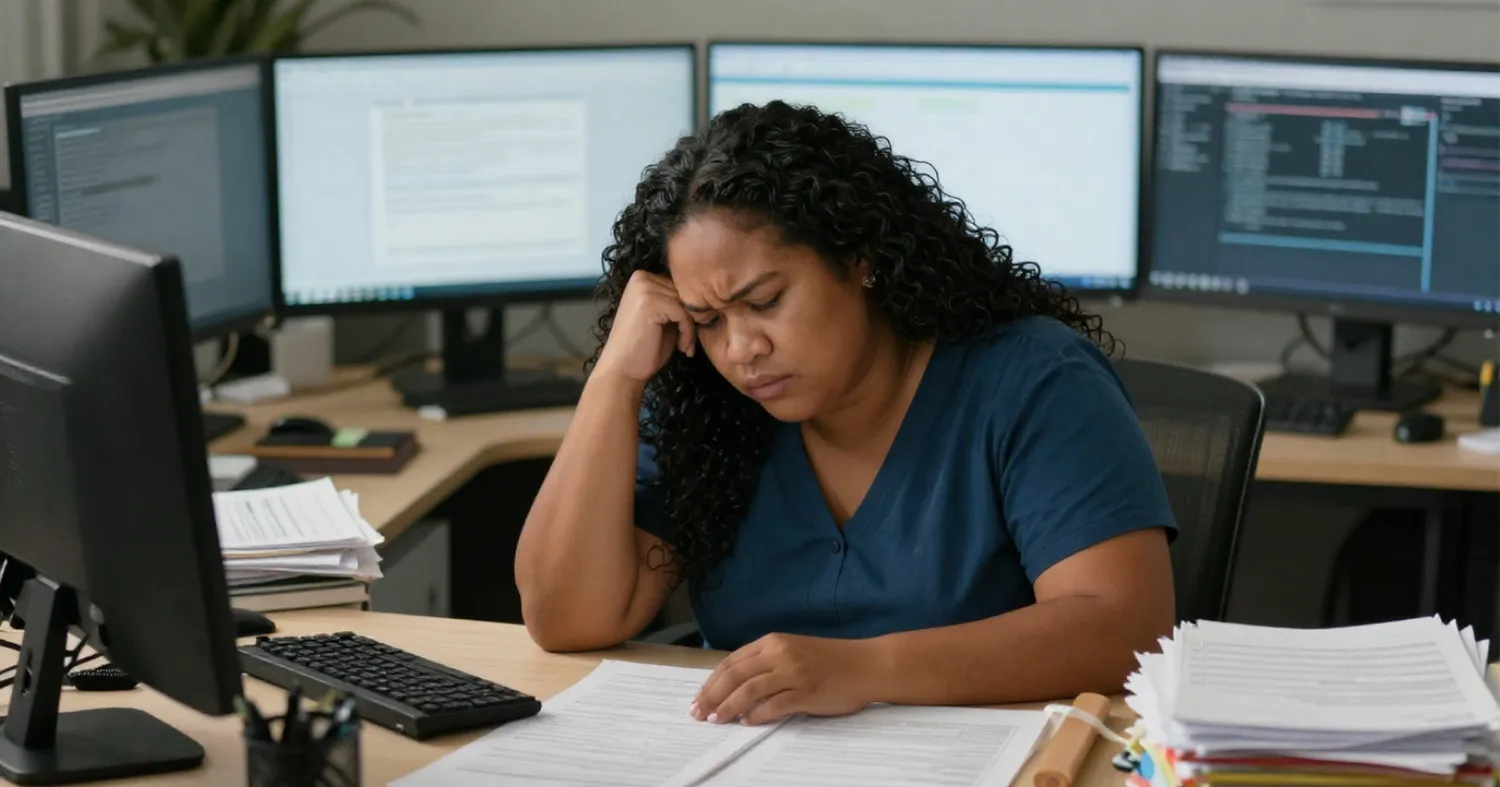
This is where the gap becomes clear.
In-house HR requires:
- staying updated on labor laws
- managing payroll tax filings
- maintaining accurate documentation
- handling employee classification
For small teams, this often becomes reactive.
PEO services, on the other hand, provide ongoing compliance support and structured processes designed to reduce risk.
For businesses without dedicated HR expertise, this difference can significantly impact long-term stability.
2026 Reality: Why This Decision Is Harder Now
In 2026, the decision between in-house HR and PEO services is influenced by several changes:
- remote and multi-state workforces
- increasing compliance requirements
- higher expectations for employee benefits
- growing administrative complexity
These factors make HR harder to manage internally, especially for small and mid-sized businesses.
What’s Changing for Small Businesses in Utah in 2026
In Utah, especially in the Salt Lake City area, small businesses are scaling faster than their internal systems.
This creates a gap between business growth and HR infrastructure.
Common patterns seen in growing Utah businesses include:
- hiring faster than HR processes can support
- payroll complexity increasing with team size
- benefits expectations becoming more competitive
- compliance responsibilities expanding without dedicated HR support
This is why more companies are comparing in-house HR vs PEO services in Utah, not just for cost but for structure.
Instead of building HR systems from scratch, businesses can implement structured payroll, compliance, and benefits management through a PEO model.
Example Scenario: When In-House HR Starts Breaking Down

Consider a business with 15 to 30 employees.
At this stage:
- hiring increases
- payroll becomes more complex
- employee questions increase
- compliance requirements expand
An internal HR setup may struggle to keep up without additional hires or systems.
This is often when businesses begin exploring PEO services for small business to handle payroll, compliance, and benefits more efficiently.
Why Businesses in Utah Are Choosing PEO Services
In Utah, especially in the Salt Lake City area, small businesses are growing quickly across industries.
This growth creates pressure on internal systems, particularly HR.
Many companies are turning to PEO services to:
- manage payroll compliance
- provide competitive employee benefits
- reduce HR-related risk
- support business expansion
For Utah-based businesses, partnering with a Salt Lake City PEO provider offers a practical way to scale without building a full HR department.
PEO vs In-House HR: Side-by-Side Comparison
In-House HR
- full internal control
- requires hiring and training
- reactive compliance management
- higher administrative workload
PEO Services
- structured HR systems
- built-in compliance support
- integrated payroll and benefits
- reduced administrative burden
The choice depends on how a business wants to manage HR responsibilities.
When In-House HR Makes Sense
In-house HR may be the right choice when:
- the company has the budget for a full HR team
- there is a need for highly customized internal processes
- the business operates at a larger scale
When PEO Services Make More Sense
PEO services are often a better fit when:
- the business is growing quickly
- HR tasks are taking time away from operations
- compliance requirements are becoming difficult to manage
- the company wants structured systems without hiring internally
Final Thoughts
There is no one-size-fits-all answer.
The decision between in-house HR and PEO services depends on business size, growth stage, and internal resources.
However, in 2026, many small and mid-sized businesses are choosing PEO services because they provide structure, reduce risk, and simplify HR operations.
For businesses navigating payroll, compliance, and employee management, the right solution is the one that supports growth without adding unnecessary complexity.
About the Author
This article was reviewed by Josh Henderson, Founder of Denali HR. Denali HR, based in Salt Lake City, Utah, provides payroll services, employee benefits administration, HR support, and risk management solutions for small and mid-sized businesses. Founded in 2019, the company focuses on delivering personalized HR support without the complexity of large PEO providers.